

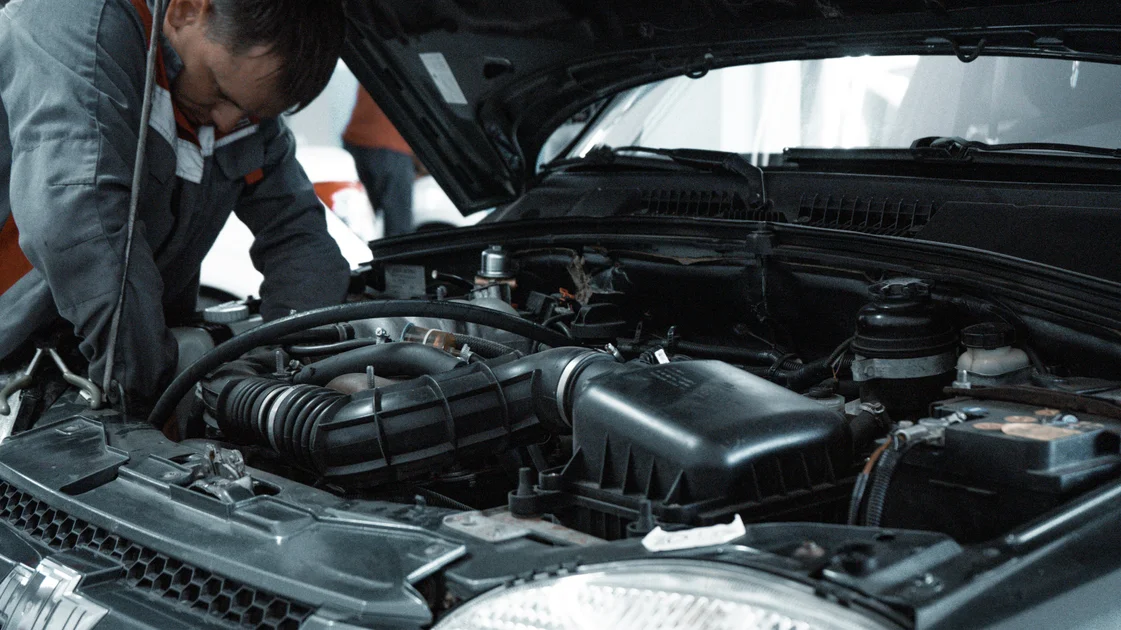
Adhering to a complete car maintenance checklist for long vehicle lifespan is not merely a mechanical obligation; it is a profound exercise in stewardship and foresight. In our modern era of 2026, where the ephemeral nature of consumerism often dictates the pace of our lives, choosing to preserve a machine is an act of defiance against planned obsolescence. A vehicle is an extension of our autonomy, a vessel that carries our memories across the asphalt of existence. By meticulously attending to the fluid dynamics, structural integrity, and electronic health of our automobiles, we cultivate a deeper relationship with the objects that serve us. This disciplined approach ensures that our transportation remains a reliable partner, capable of navigating the complexities of the road while honoring the resources invested in its creation.
The Philosophy of Fluidity

The lifeblood of any combustion or hybrid engine resides in its fluids. Oil, coolant, transmission fluid, and brake fluid serve as the vital organs of the machine, facilitating movement and heat dissipation. Neglecting these substances is akin to ignoring the foundational health of a living system. In 2026, the shift toward synthetic lubricants and advanced chemical cooling agents has extended the intervals between service, yet this convenience often breeds complacency. We must remain vigilant, treating every oil change as a ritual of renewal rather than a chore. Monitoring the viscosity and clarity of these fluids allows us to read the history of the engine’s labor, providing early warnings before minor friction escalates into catastrophic mechanical failure.
- Warning Signs of Transmission Fluid Contamination After Deep Water Driving
- Vehicle Inspection Checklist for Optimal Performance: Your Essential Guide
- Best Entry-Level Luxury Active Suspension Systems: A Brand-by-Brand Comparison
- How to Calibrate Wireless OBD2 Software for Accurate Real-Time Sensor Data
- Vehicle Inspection Checklist Before Long Distance Travel
Beyond the engine, the transmission and braking systems require a discerning eye for detail. Transmission fluid facilitates the seamless transfer of kinetic energy, while brake fluid is the silent guardian of our mortality. When we commit to a rigorous schedule of flushing and replacing these fluids, we are essentially investing in the longevity of the entire chassis. This proactive stance prevents the accumulation of particulate matter that acts as a slow-moving abrasive against precision-engineered seals and gears. By maintaining a clean, pressurized environment within these systems, we ensure that the vehicle responds with the same grace and efficiency it possessed the day it rolled off the assembly line, preserving its essence over thousands of miles.
The Architecture of Tires and Suspension
The tire is the singular point of contact between our ambitions and the physical world. It is the interface where rubber meets the road, absorbing the shock of our journey while translating power into motion. Proper inflation, rotation, and alignment are the cornerstones of tire longevity, yet they serve a higher purpose in maintaining the structural harmony of the vehicle. An unbalanced wheel is a source of discord that vibrates through the frame, potentially compromising the delicate bushings and struts that define the ride quality. In the context of 2026, where road surfaces are increasingly varied, consistent monitoring of these contact points is vital for preserving the vehicle’s structural integrity.
The Geometry of Motion
Suspension health dictates the character of every turn and the softness of every impact. When we discuss alignment, we are talking about the geometric balance of the vehicle’s posture. A car that is perfectly aligned tracks straight, reducing unnecessary strain on the steering rack and tires. We must understand that every pothole and transition is a micro-trauma to the alignment. Regularly inspecting the shock absorbers and struts for leaks or fatigue allows us to intervene before the degradation of the suspension affects the braking distance or handling precision. By maintaining this structural alignment, we honor the engineering intent behind the vehicle, ensuring that it moves with the fluidity and intent of a purposeful machine.
Electronic Vigilance in Modern Cars
Modern vehicles are increasingly defined by their complex electronic architectures, which serve as the central nervous system for everything from fuel delivery to safety protocols. In 2026, the rise of sophisticated onboard diagnostics has made it easier than ever to monitor the pulse of our cars. However, this reliance on sensors demands a new level of literacy. We must learn to interpret the language of dashboard warnings, viewing them not as annoyances but as crucial communication from the machine itself. A persistent check engine light is a plea for attention that should never be ignored, as it often masks a deeper issue that could lead to electrical shorts or sensor malfunctions.
Battery health remains a critical component in this electronic ecosystem. As we move toward more electrified platforms, the 12-volt auxiliary battery continues to be the foundation for starting, lighting, and infotainment systems. Extremes in temperature, common in our changing climate, can rapidly diminish the capacity of these power cells. Regular voltage testing and cleaning of terminals ensure that the electronic pathways remain clear of corrosion and resistance. By attending to the digital and electrical health of the vehicle, we ensure that the software and hardware remain in synchronization, preventing the silent, creeping failure of components that often occurs when power delivery is inconsistent or compromised.
Comparison Table / Specifications Table
| Component | Standard Maintenance | Performance Upgrade | Maintenance Notes |
|---|---|---|---|
| Engine Oil | Synthetic Blend | Full Synthetic 0W-20 | Change every 7,500 miles |
| Air Filter | Paper Element | High-Flow Cotton | Check every 15,000 miles |
| Tires | All-Season Touring | Performance Summer | Rotate every 5,000 miles |
| Brake Pads | Ceramic OEM | High-Carbon Steel | Inspect at every oil change |
| Coolant | Standard Ethylene | Long-Life OAT | Flush every 60,000 miles |
| Spark Plugs | Iridium Core | Double Iridium | Replace per manual specs |
Cost & Pricing Breakdown
Investing in the longevity of a vehicle is a financial strategy that yields dividends in the form of avoided major repairs and retained value. Below is a breakdown of estimated annual maintenance costs based on typical 2026 market rates for standard passenger sedans and SUVs.
- Basic Scheduled Maintenance (Oil, Filters, Inspections): $300 – $500 per year.
- Predictive Wear Items (Brakes, Tires, Wipers): $400 – $800 annually (amortized).
- Fluid System Overhauls (Transmission, Coolant, Brake Flushes): $200 – $400 per service interval.
- Electrical and Sensor Diagnostics: $150 – $300 per incident.
- Emergency Reserve Fund: $500 set aside annually for unforeseen mechanical failures.
The Ritual of Inspection
There is a profound meditative quality in the act of inspecting one’s own vehicle. By physically walking around the car and checking the lights, wiper blades, and body panels, we develop an intimate knowledge of the machine. This habit of observation allows us to notice subtle changes—a faint rattle, a slight unevenness in tire wear, or a dullness in the paint—that signal the need for intervention. In 2026, we have access to vast resources like NHTSA for safety recalls and SAE International for engineering standards, which empower us to be proactive stewards rather than passive owners. This level of engagement transforms the owner from a user into a guardian.
Beyond the mechanical, we must consider the environmental factors that degrade a vehicle over time. Exposure to road salt, intense ultraviolet radiation, and moisture are the invisible enemies of longevity. Washing the undercarriage regularly and applying protective coatings to the exterior paint are not merely cosmetic tasks; they are essential defenses against the slow encroachment of oxidation and decay. When we treat the vehicle with care, we extend its useful life, reducing the environmental impact of manufacturing new units. This cycle of maintenance is a sustainable practice that aligns our personal mobility needs with a broader sense of environmental and social responsibility.
Frequently Asked Questions
How often should I change my synthetic oil in 2026?
Most modern vehicles utilizing full synthetic oil can safely travel between 7,500 and 10,000 miles between changes, though driving conditions, such as stop-and-go traffic, may necessitate shorter intervals.
Is it necessary to follow the dealer’s recommended maintenance schedule?
The manufacturer’s schedule is the baseline for warranty compliance and optimal operation, providing a evidence-based timeline that ensures all systems are serviced before reaching a critical threshold of wear.
Can I perform my own maintenance to save money?
Performing your own maintenance is a rewarding way to build expertise, provided you keep meticulous records and receipts to maintain the vehicle’s service history for potential future resale or warranty claims.
What is the most ignored maintenance item?
Brake fluid is frequently overlooked, yet it absorbs moisture over time, which can lead to internal corrosion of the braking system and a significant reduction in stopping performance under heavy loads.
How does driving style impact vehicle lifespan?
Aggressive driving, characterized by rapid acceleration and hard braking, places exponential stress on the drivetrain and suspension, whereas smooth, consistent driving significantly extends the life of all moving parts.
Conclusion
The pursuit of a long vehicle lifespan is a testament to the value of patience and consistent effort. By integrating these practices into our daily lives, we move beyond the transient nature of modern usage and into a space of lasting quality. A car that is cared for with intelligence and affection will serve its purpose for years, becoming a reliable companion that reflects our own commitment to excellence. As we navigate the roads of 2026, let us remember that the true longevity of our vehicles is defined by the quality of the attention we provide, ensuring that each journey is as secure and fulfilling as the first.