

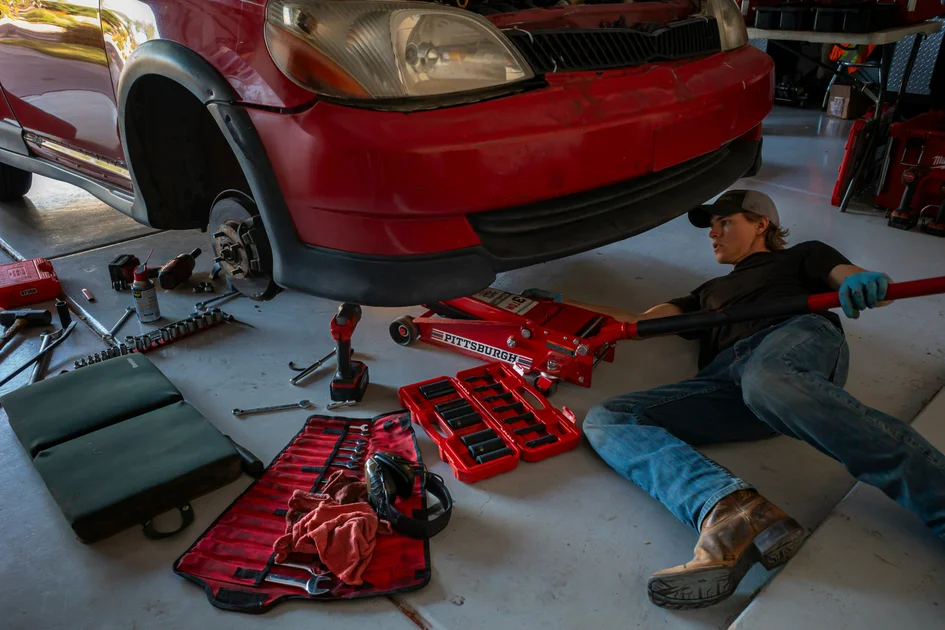
Learning DIY car maintenance tasks every beginner can safely perform is more than a mere exercise in fiscal responsibility; it is an act of reclaiming agency in an increasingly automated world. In 2026, as our vehicles evolve into complex software-defined ecosystems, the tactile connection between human and machine remains a profound grounding force. By choosing to lay hands upon the engine bay, you transcend the role of a passive consumer, stepping instead into a lineage of stewards who understood that to own a machine is to understand its heartbeat. This deliberate engagement fosters a deeper appreciation for the engineering marvels that facilitate our modern mobility, transforming a chore into a meditative practice of preservation and intellectual curiosity.
The Philosophy of Preventative Care

Preventative maintenance is the cornerstone of mechanical longevity, reflecting a broader commitment to stewardship. When we choose to check our fluids or inspect our belts, we are not merely performing a task; we are participating in a dialogue with the vehicle. Ignoring the subtle signs of wear is a rejection of responsibility, whereas addressing them early acts as a safeguard against the inevitable entropy that threatens all complex systems. In the context of 2026, where supply chain fluctuations can make replacement parts scarce, maintaining your own vehicle ensures that your primary mode of transportation remains reliable and ready for the demands of daily life.
- Automotive Diagnostic Tools: Features, Usage & Expert Insights Guide
- Common Transmission Problems: Symptoms & Repair Solutions
- EV Battery Advancements: Tech, Lifecycle & Future Sustainability Insights
- Essential Vehicle Servicing Schedule Every Car Owner Should Follow
- ADAS Safety in Heavy Rain: Real-World Performance and Reliability Insights
By engaging in these simple routines, you cultivate an intimate knowledge of your machine that no technician can replicate. You begin to recognize the specific scent of warm oil, the unique resonance of a healthy engine, and the tactile feedback of a well-maintained chassis. This heightened awareness serves as an early warning system, allowing you to intercept potential failures before they manifest as catastrophic breakdowns. It is a philosophy that honors the longevity of the object, ensuring that your vehicle serves you faithfully through the cycles of the seasons, bridging the gap between mere utility and a trusted partnership.
Windshield Wiper Maintenance
The humble windshield wiper is perhaps the most overlooked component of vehicular safety, yet it is essential for navigating the unpredictable weather patterns of 2026. Replacing wiper blades is a quintessential entry-level task that requires no specialized tools, only a modicum of patience and a gentle touch. As the rubber element degrades over time due to exposure to UV radiation and temperature extremes, it ceases to maintain a clean sweep, leaving streaks that distort visibility and compromise safety. By taking the initiative to swap these out, you restore clarity to your perspective, quite literally clearing the way for safer travels.
The Science of Visibility
Visibility is the primary prerequisite for safe driving, yet many drivers accept sub-par performance as a constant. When you replace your blades, you are investing in the clarity of your vision during critical moments, such as navigating a torrential downpour at night. This process involves lifting the wiper arm, pressing the release tab, and sliding the old blade out before locking the new one into place. It is a brief, satisfying procedure that yields immediate and tangible results. Maintaining a clear line of sight is not just a safety requirement; it is a manifestation of your respect for the road and the safety of your fellow travelers.
Monitoring Vital Fluids
The fluids within your vehicle are akin to the blood and lymph of an organism, circulating essential nutrients to keep the mechanical heart beating. Checking your engine oil, coolant, and brake fluid levels is a fundamental skill that every driver should possess to ensure long-term health. In 2026, modern sensors provide digital readouts, yet the analog check—pulling the dipstick, inspecting the color and consistency of the oil—offers an authenticity that digital metrics cannot convey. Oil should appear amber or dark brown, never milky or metallic, as these signs indicate potential contamination or internal damage that requires immediate professional investigation.
Beyond the engine oil, the coolant system demands regular vigilance to prevent overheating, especially during the harsh heat waves that characterize recent climate trends. Ensuring that your reservoir is filled to the designated line prevents the cooling system from pulling air into the lines, which could cause erratic temperature fluctuations. Similarly, checking the brake fluid reservoir is a matter of life and death, as it ensures the hydraulic pressure required to stop your vehicle remains consistent. By maintaining these fluids, you are effectively regulating the internal environment of your machine, ensuring it operates within its intended thermal and hydraulic parameters.
Air Filter Replacement
An engine is essentially a massive air pump, and the air filter is its primary lung, responsible for capturing microscopic debris before it enters the combustion chamber. Replacing this filter is perhaps the most accessible DIY task, usually requiring nothing more than unlatching a few clips or unscrewing a housing cover. A clean filter allows for optimal airflow, which directly influences fuel efficiency and engine responsiveness. As we strive for efficiency in our daily commutes, ensuring that the engine can breathe freely is a simple yet high-impact action that benefits both the environment and your wallet.
When you remove a dirty filter, you are often shocked by the amount of dust, leaves, and particulate matter it has sequestered, preventing those contaminants from damaging the delicate cylinder walls. This visual evidence of your contribution to the car’s health is immensely rewarding. In 2026, many manufacturers are moving toward more integrated air intake systems, yet the core principle remains unchanged. By performing this task yourself, you avoid the inflated costs of service centers and gain the confidence to explore more complex maintenance procedures. It is a gateway task that demystifies the engine bay and encourages further mechanical exploration.
Comparison Table / Specifications Table
| Task | Frequency (Months) | Tools Required | Complexity Level |
|---|---|---|---|
| Wiper Replacement | 6 – 12 | None | Beginner |
| Air Filter Swap | 12 – 18 | Screwdriver/Clips | Beginner |
| Fluid Top-off | 3 – 6 | None | Beginner |
| Battery Terminal Cleaning | 12 | Wire Brush | Intermediate |
| Tire Pressure Check | 1 | Pressure Gauge | Beginner |
| Cabin Air Filter | 12 | None | Beginner |
Pros and Cons Analysis
The decision to engage in DIY maintenance involves a weighing of benefits against potential challenges. The primary advantage is the profound cost savings; service centers often charge significant premiums for labor on tasks that take mere minutes. Beyond economics, the psychological satisfaction of self-reliance cannot be overstated. You gain an intimate understanding of your vehicle’s condition, which increases your overall sense of safety and preparedness. Furthermore, by performing the work yourself, you ensure that high-quality parts are used, rather than the generic, budget-conscious components that some shops might prioritize to maximize their own margins.
Conversely, the drawbacks involve the potential for human error and the requirement of your personal time. If a task is performed incorrectly, such as overfilling fluids or stripping a bolt, the resulting damage can be far more expensive than the original service fee. Additionally, there is the matter of disposal; used oil and filters must be handled with environmental care and transported to authorized recycling facilities, which adds a layer of logistical effort to the process. For those with limited physical mobility or strict time constraints, the DIY route may present challenges that outweigh the benefits, making professional service a more practical, albeit costlier, alternative.
Battery and Electrical Health
The battery is the spark of life for any internal combustion or electric vehicle, acting as the primary energy reservoir. In 2026, as our cars become increasingly reliant on complex electronic control units, the health of your battery terminals is paramount. Corrosion, manifesting as a white or blueish powder on the terminals, creates resistance that can lead to starting failures or erratic sensor behavior. Cleaning these terminals with a simple wire brush and a mixture of baking soda and water is a classic, effective, and safe procedure that reinforces the electrical integrity of your vehicle’s entire network.
Maintaining the electrical system is a vital component of modern vehicle ownership. By ensuring that connections are clean and tight, you prevent voltage drops that could potentially confuse the car’s computer systems. This task serves as a reminder that even the most advanced digital systems are fundamentally dependent on physical connections. It is a bridge between the old-world mechanics and the new-world software, teaching us that regardless of how sophisticated our machines become, the foundational principles of physics and electrical conduction remain the bedrock upon which all functionality rests. Always consult authoritative guides like the National Highway Traffic Safety Administration for specific safety protocols.
Key Takeaways
- DIY maintenance fosters independence and a deeper connection with your vehicle.
- Regular fluid checks prevent long-term mechanical degradation and engine failure.
- Clear visibility through fresh wiper blades is essential for modern road safety.
- Air filter maintenance directly improves fuel efficiency and engine longevity.
- Proper disposal of used fluids and materials is a critical environmental responsibility.
- Consistent maintenance routines in 2026 build a proactive mindset toward safety.
Frequently Asked Questions
Is DIY maintenance safe for my vehicle warranty?
Generally, performing your own maintenance will not void your warranty, provided you keep meticulous records and use parts that meet the manufacturer’s specifications. Always retain receipts for parts and fluids as proof of your diligence.
What if I do not have a garage or proper tools?
Many beginner tasks, such as checking fluids or changing wipers, require no specialized garage equipment. You can perform these in most well-lit parking areas using basic hand tools, many of which are available at any local hardware store.
How do I know which fluids are correct for my car?
Your owner’s manual is the definitive authority on all fluid specifications. It is crucial to follow these guidelines exactly, as using the wrong viscosity of oil or the incorrect coolant type can cause significant damage to your vehicle’s engine.
Where should I dispose of used motor oil?
Used oil is a hazardous material and must be recycled. Most auto parts retailers and local municipal waste centers provide free collection services for used motor oil, ensuring it is processed without harming the environment.
How often should I check my tires?
Tire pressure should be checked at least once a month and before any long road trip. Proper inflation is vital for fuel economy, handling, and preventing premature tire wear, which is a major factor in highway safety.
Conclusion
Engaging in DIY car maintenance is an act of intellectual curiosity and practical wisdom that serves us well in 2026. By taking the time to understand the mechanical requirements of our vehicles, we move beyond the role of a mere operator and become true stewards of our property. This practice not only saves resources but also instills a sense of confidence that permeates other areas of our lives. As you continue to learn and grow alongside your machine, remember that every bolt tightened and every fluid checked is a testament to your commitment to excellence and personal responsibility.