

Driving through deep water can pose a significant risk to your vehicle’s transmission system, potentially leading to immediate or latent internal fluid contamination. Recognizing the early signs of internal transmission fluid contamination after driving through deep water is crucial for preventing extensive damage and costly repairs. Water ingress can rapidly degrade the lubricating and cooling properties of transmission fluid, compromising critical internal components. Understanding these indicators allows for timely intervention, safeguarding your vehicle’s longevity and performance against the insidious effects of water damage.
Immediate Visual Cues of Contamination
One of the most direct signs of internal transmission fluid contamination after driving through deep water involves changes in the fluid’s appearance and smell. Normally, healthy automatic transmission fluid (ATF) is a translucent red or sometimes green color, with a slightly sweet, oil-like odor. After water exposure, the fluid might appear milky, cloudy, or even pinkish, resembling a strawberry milkshake. This emulsion signifies a critical mixture of water and ATF, which severely compromises the fluid’s ability to lubricate and cool the transmission’s intricate components. A dipstick check can reveal this change, often indicating a problem that requires immediate attention.
- Car Battery Maintenance Tips to Prevent Unexpected Failures
- Luxury Car Comparison: Technology, Features, and Driving Experience
- Failing Electronic Parking Brake Actuator: Symptoms & Temporary Bypass Solutions
- Mastering Vehicle Ownership Costs for Long-Term Financial Planning
- Ceramic vs. Semi-Metallic Brake Pads: Which is Best for Heavy Towing?
Beyond color, a change in fluid level can also be a subtle indicator. While water ingress primarily affects fluid quality, significant water entry might displace some fluid or cause it to expand, leading to an inaccurate reading. More critically, the presence of water often leads to a distinct change in the fluid’s odor. Instead of its usual scent, contaminated fluid may smell burnt, metallic, or even like a chemical concoction, signaling that internal components are experiencing excessive friction and heat due to poor lubrication. A thorough inspection of the fluid on the dipstick, both visually and by smell, provides the first line of defense in identifying water contamination.
Performance Issues and Shifting Anomalies
Internal transmission fluid contamination directly impacts the unit’s operational efficiency, leading to noticeable performance degradation. Drivers may experience hard shifts, where the vehicle jerks violently between gears, or delayed engagement, where there’s a significant pause between selecting a gear and the vehicle responding. This occurs because the water-compromised fluid cannot maintain the correct hydraulic pressure or provide adequate lubrication for the clutch packs and bands to engage smoothly. The transmission’s internal sensors, which rely on precise fluid dynamics, will also struggle to function correctly, exacerbating these issues. Addressing these shifting anomalies promptly is critical to prevent further mechanical wear.
Another common symptom of contaminated fluid is transmission slipping. This manifests as the engine revving higher than usual without a corresponding increase in vehicle speed, or the feeling that the transmission is momentarily disengaging before re-engaging. Slipping is a direct consequence of reduced friction capabilities caused by water mixing with the ATF, preventing the clutch plates from gripping effectively. In severe cases, the transmission may go into “limp mode,” a protective measure where it restricts itself to a single gear (often 2nd or 3rd) to limit damage. Ignoring these signs in 2026 can quickly escalate a repair from a fluid flush to a full transmission rebuild or replacement.
Warning Lights and Diagnostic Trouble Codes (DTCs)
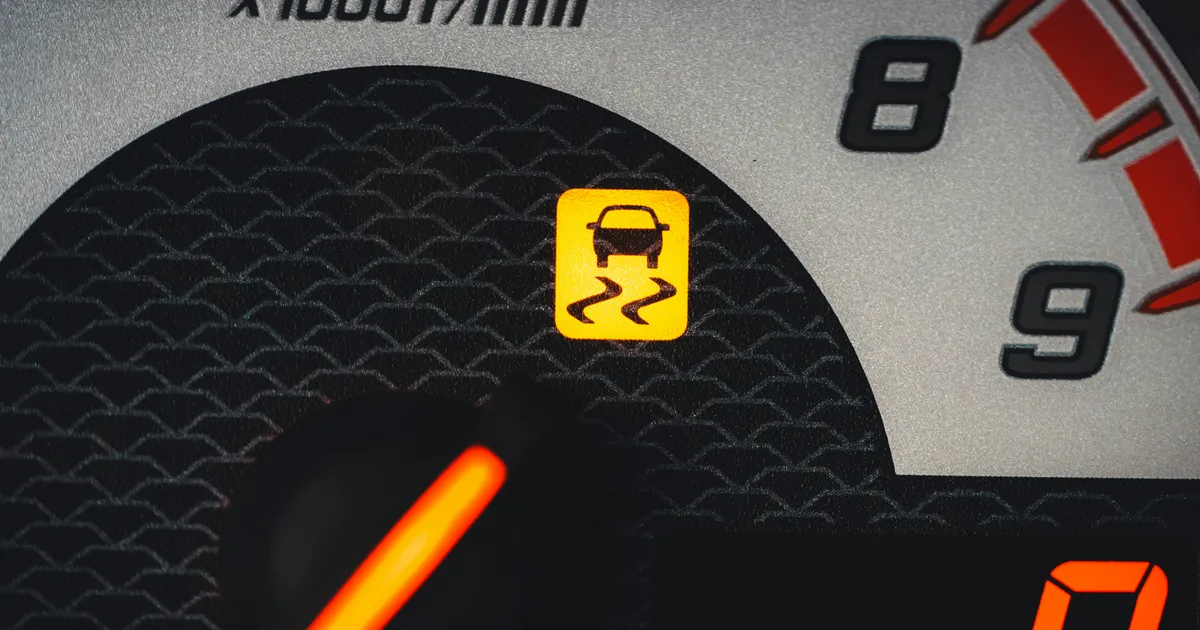
Modern vehicles are equipped with sophisticated diagnostic systems designed to alert drivers to potential issues, and transmission fluid contamination is no exception. After driving through deep water, if water has entered the transmission, it can disrupt the electrical sensors and solenoids, triggering warning lights on your dashboard. The “Check Engine Light” (CEL) is a common indicator, even for transmission-related problems. Additionally, some vehicles have a dedicated “Transmission Warning Light” or a specific message displayed on the instrument cluster, explicitly indicating a transmission fault. These lights are critical warnings that should never be ignored, especially after a high-risk event like deep water exposure.
When a warning light illuminates, the vehicle’s onboard diagnostic (OBD-II) system stores a Diagnostic Trouble Code (DTC). These codes provide specific information about the detected fault. For transmission fluid contamination, you might see codes related to transmission fluid pressure (e.g., P0740 for torque converter clutch circuit malfunction), shift solenoid performance (e.g., P0750 for shift solenoid A malfunction), or even fluid temperature sensors. A professional mechanic can retrieve these codes using a diagnostic scanner and interpret them to pinpoint the exact nature of the problem. Consulting resources like the National Highway Traffic Safety Administration (www.nhtsa.gov) or your vehicle’s manufacturer service manual can offer more insights into specific DTCs and their implications for your model.
Unusual Noises and Vibrations
Contaminated transmission fluid dramatically reduces lubrication, leading to increased friction and wear between moving parts, which often manifests as unusual noises and vibrations. Drivers might hear a distinct whining or humming sound, especially when the vehicle is in gear or accelerating. This sound typically originates from worn bearings, gears, or the transmission pump struggling to circulate compromised fluid. Grinding noises, particularly during shifts, indicate significant wear on the gear sets or clutch packs, where metal-on-metal contact is occurring due to inadequate fluid film. These auditory cues are strong indicators that internal components are under severe stress and rapidly deteriorating.
Beyond distinct noises, a contaminated transmission can also cause noticeable vibrations or shuddering. This sensation might be felt through the steering wheel, seat, or floorboards, especially during acceleration, braking, or at certain speeds. Shuddering often points to issues with the torque converter or clutch engagement, where the contaminated fluid prevents smooth operation. The inability of the fluid to properly damp vibrations and lubricate components leads to excessive friction and heat, which can quickly lead to catastrophic failure if not addressed. Any new or unusual vibration after driving through deep water should prompt an immediate inspection of the transmission fluid and system.
The Role of the Torque Converter
The torque converter is a critical component that links the engine to the transmission, using fluid to transmit power. Water contamination severely compromises the torque converter’s ability to operate efficiently. The internal clutch within the torque converter relies on clean, properly functioning ATF to engage and disengage smoothly. When the fluid is contaminated, this clutch can slip, causing shuddering, poor fuel economy, and even overheating. The contaminated fluid also accelerates wear on the torque converter’s internal bearings and impellers, leading to whining noises and reduced power transfer. A failing torque converter due to water ingress can quickly generate metallic debris, circulating it throughout the entire transmission system and causing widespread damage.
Fluid Leaks and External Damage Indicators
While internal fluid contamination is the primary concern, driving through deep water can also cause external damage that leads to or exacerbates transmission problems. Water can force its way past seals and gaskets, not only contaminating the fluid but also causing new leaks. Inspecting underneath your vehicle for fresh puddles or drips of transmission fluid is essential. Leaks can appear around the transmission pan gasket, output shaft seals, or cooler lines. The presence of water can also corrode the transmission pan itself or other metallic components, leading to pinhole leaks that allow fluid to escape and more contaminants to enter. Any visible fluid leak after water exposure is a serious red flag.
Furthermore, deep water can physically impact and damage external transmission components. Cooler lines, which are typically routed underneath the vehicle, can be bent, punctured, or dislodged by debris carried in the water or by the force of the water itself. This can lead to significant fluid loss and introduce contaminants. Electrical connectors and wiring harnesses for sensors and solenoids can also become corroded or damaged by water, leading to intermittent electrical faults that mimic or contribute to transmission issues. A visual inspection for rust, corrosion, or physical damage to the transmission housing, lines, and electrical connections is a crucial step in assessing the overall impact of driving through deep water on your vehicle’s transmission system.
The Science Behind Water Contamination
The insidious nature of water contamination in transmission fluid lies in its fundamental incompatibility with ATF. Transmission fluid is designed to be hydrophobic, meaning it repels water. However, under pressure, during rapid temperature changes, or through compromised seals, water can be forced into the transmission system. Once inside, water does not simply mix harmlessly; it emulsifies with the ATF, forming a milky, less viscous substance. This emulsion dramatically reduces the fluid’s lubricating properties, leading to increased friction, heat, and accelerated wear on critical components like clutch packs, bearings, and gears. The presence of water also lowers the fluid’s boiling point, making it more prone to thermal degradation.
Moreover, water introduces oxygen and promotes corrosion within the transmission. Internal metal components, such as steel plates and aluminum housings, are highly susceptible to rust and oxidation when exposed to water, especially when combined with the high temperatures and pressures of an operating transmission. This corrosion generates abrasive particles that circulate within the fluid, acting like sandpaper on precision-machined surfaces. Over time, these particles clog filters, damage valves, and score bearing surfaces, leading to irreversible mechanical damage. The long-term effects of water contamination can include premature component failure, reduced transmission lifespan, and a significant decrease in vehicle reliability, often culminating in an expensive transmission overhaul if not addressed promptly in 2026.
Key Takeaways
- Inspect transmission fluid for milky, cloudy, or pinkish discoloration and a burnt or unusual odor.
- Watch for performance issues like hard shifts, delayed engagement, or transmission slipping.
- Pay attention to dashboard warning lights, including the Check Engine Light or dedicated transmission warnings.
- Listen for unusual noises such as whining, grinding, or feel vibrations and shuddering during operation.
- Check for new fluid leaks around the transmission pan, seals, or cooler lines, and signs of external damage.
- Understand that water severely degrades ATF’s lubricating properties and promotes internal corrosion.
Frequently Asked Questions
How quickly can water damage a transmission?
Water can cause significant damage to a transmission almost immediately upon entry. The lubricating and cooling properties of transmission fluid are rapidly compromised, leading to increased friction, heat, and wear on internal components. Even a short drive with contaminated fluid can initiate serious problems, accelerating wear on clutch packs, bearings, and gears.
Can simply changing the transmission fluid fix water contamination?
While a fluid flush and refill are necessary, simply changing the fluid may not be sufficient to completely resolve water contamination. Water can linger in hard-to-reach areas, and the damage it causes to internal components (like corrosion or wear) won’t be reversed by new fluid alone. A thorough inspection and potentially a complete transmission service or rebuild might be required.
What if my car has no warning lights but I drove through deep water?
Even without immediate warning lights, it’s prudent to inspect your transmission fluid and have it checked by a professional if you’ve driven through deep water. Some damage or contamination signs might not trigger a DTC immediately. Visual inspection of the fluid and a professional assessment can catch issues before they escalate.
How does water enter the transmission system?
Water typically enters the transmission system through the transmission vent tube, which allows for pressure equalization. If this vent is submerged, water can be drawn in as the transmission cools or through hydrostatic pressure. Compromised seals around the dipstick tube, output shafts, or the transmission pan can also provide entry points.
Is it safe to drive my car if I suspect transmission fluid contamination?
No, it is generally not safe to drive your car if you suspect transmission fluid contamination. Continuing to drive with compromised fluid can quickly lead to severe, irreversible damage to the transmission’s internal components, resulting in a complete transmission failure. It’s best to have the vehicle towed to a reputable service center for immediate inspection and repair.
Conclusion
Identifying the signs of internal transmission fluid contamination after driving through deep water is paramount for mitigating extensive damage and ensuring your vehicle’s longevity. From immediate visual changes in fluid appearance and odor to noticeable performance issues, warning lights, and unusual noises, each indicator provides a crucial clue. Understanding the scientific basis of how water degrades ATF and promotes corrosion underscores the urgency of addressing contamination promptly. Ignoring these critical signals can lead to catastrophic transmission failure and prohibitively expensive repairs. Prioritizing a professional inspection and appropriate service at the earliest sign of trouble is the most effective way to protect your investment and maintain your vehicle’s reliable operation well into 2026 and beyond.