

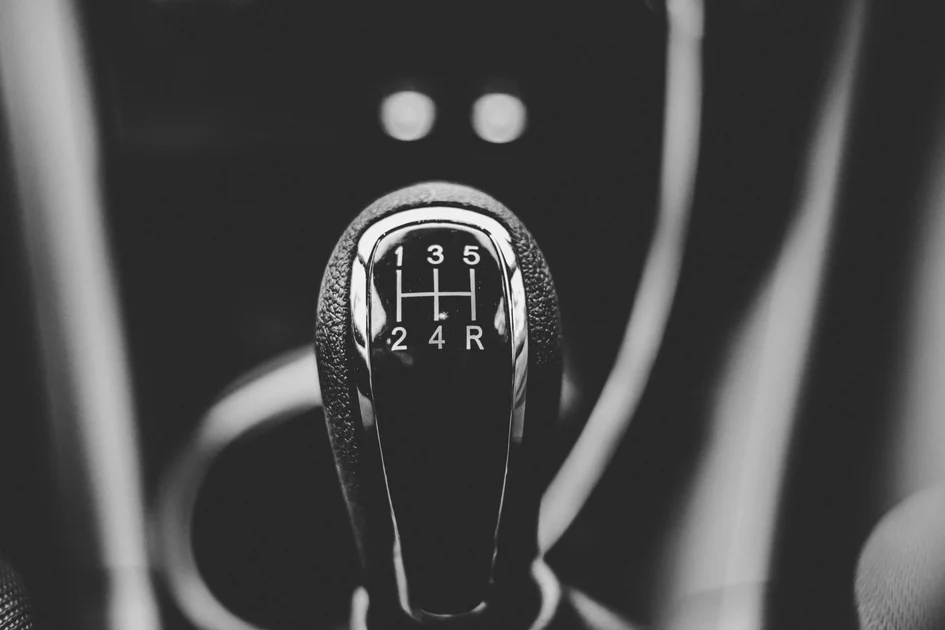
Mastering transmission maintenance tips for smooth vehicle performance is less about mechanical labor and more about understanding the silent dialogue between human intent and machine response. In our fast-paced 2026 reality, the automobile serves as an extension of our own mobility, a vessel that carries our ambitions across the sprawling landscapes of modern life. When we neglect the complex gears and fluids hidden beneath the chassis, we are essentially ignoring the nervous system of our mechanical partner. A smooth ride is not merely a luxury; it is the manifestation of mindfulness, an acknowledgment that proper care prolongs the life of the systems that grant us our independence. By tending to the transmission with diligence, we ensure that our journey remains fluid, responsive, and free from the jarring interruptions of preventable mechanical failure.
The Philosophy of Fluid Dynamics

The transmission fluid is the lifeblood of your vehicle, acting as both a lubricant and a cooling agent for the intricate ballet of rotating metal components. In 2026, synthetic fluid formulations have reached unprecedented levels of thermal stability, yet they remain subject to the inexorable laws of friction and heat degradation. As the fluid circulates, it gathers microscopic debris and experiences chemical breakdown, losing its ability to protect the delicate valves and clutches within the housing. Ignoring this transition leads to the subtle onset of sluggish shifts and diminished fuel efficiency, which often go unnoticed until the damage has manifested as a costly repair bill.
- How to Choose the Best Car: Your Usage & Budget Strategy Guide
- Best Budget Hatchbacks: Value for Money Comparison Guide
- Must-Have Car Accessories: Essential Gear for Enhanced Safety & Daily Convenience
- Automotive Engine Performance Issues: Diagnosis & Solutions Guide
- The Ultimate Guide to Professional Car Detailing Tools & Equipment
To honor the longevity of your transmission, one must adopt a proactive ritual of checking fluid levels and condition. A clean, translucent red hue is the hallmark of a healthy system, whereas a dark, burnt-smelling fluid is a silent alarm indicating that the internal components are suffering from excessive heat. By committing to regular inspections, you are participating in a preventative philosophy that favors long-term stability over short-term neglect. This simple act of observation allows you to catch contamination before it escalates into a catastrophic failure, ensuring that your vehicle remains a reliable companion for years to come.
Thermal Management and Cooling
The Invisible Enemy of Heat
Heat is the primary adversary of any high-performance transmission, acting as a catalyst for the premature oxidation of internal seals and gaskets. Modern 2026 vehicles are engineered with sophisticated cooling systems, but these are frequently pushed to their limits by heavy stop-and-go traffic or the stresses of towing heavy loads. An auxiliary transmission cooler can be a transformative addition for those who frequently subject their vehicles to extreme operational demands, effectively lowering the operating temperature and preserving the integrity of the fluid’s molecular structure throughout the driving cycle.
Understanding the thermal thresholds of your specific transmission model is a mark of true mechanical expertise. When the internal temperatures exceed recommended limits, the fluid begins to lose its viscosity, leading to increased wear on the clutch packs and torque converter. By monitoring your dashboard gauges—or utilizing a digital OBD-II diagnostic tool—you can gain real-time insight into the thermal state of your gearbox. This level of awareness transforms the driver from a passive operator into an active steward of the machine, capable of adjusting driving habits to mitigate heat buildup before it compromises the structural harmony of the transmission.
The Art of Sensible Driving
How we interact with the throttle and brake pedals dictates the lifespan of the transmission more significantly than almost any other variable. Aggressive acceleration and abrupt gear changes exert immense mechanical stress on the drivetrain, forcing the transmission to compensate for erratic input with rapid, violent shifts. Cultivating a smooth, linear driving style is not just an exercise in fuel economy; it is a profound respect for the mechanical constraints of the machine. By allowing the engine to reach its optimal torque band before demanding a shift, you minimize the shock to the internal components and ensure a seamless transfer of power to the wheels.
In the context of 2026, where modern transmissions are often managed by complex electronic control units, learning to work with the software rather than against it is essential. Modern automatic gearboxes are designed to adapt to your driving patterns, but they cannot compensate for constant, erratic inputs. When you drive with intention and grace, you allow the transmission’s computer to execute shifts with precision and timing. This collaboration between human intuition and machine logic is the secret to enduring performance, creating a driving experience that is as fluid as it is efficient and reliable.
Comparison Table / Specifications Table
| Feature | Standard ATF | Synthetic ATF | Racing Grade Fluid |
|---|---|---|---|
| Thermal Stability | Baseline Protection | High Performance | Extreme Heat Resistance |
| Service Interval | 30,000 Miles | 60,000 – 100,000 Miles | Per Event/Season |
| Viscosity Index | Conventional Standard | High Stability | Custom Engineered |
| Oxidation Resistance | Moderate | Excellent | Superior |
| Cost Efficiency | Low Upfront | Best Value | Premium Investment |
Cost & Pricing Breakdown
Maintaining a transmission requires a balanced approach to budgeting, as preventative care is always more economical than a full rebuild. Below is a breakdown of estimated costs for 2026:
- Basic Fluid Exchange (Standard): $150 – $250
- Full Synthetic Flush and Filter Service: $300 – $500
- Auxiliary Cooler Installation (Parts & Labor): $400 – $700
- Electronic Control Module Diagnostics: $100 – $200
- Total System Rebuild (Major Components): $3,500 – $6,000
Diagnostic Vigilance and Early Detection
The transmission rarely fails without warning, as it frequently broadcasts its distress through subtle shifts in behavior that the attentive driver can detect. A slight delay when shifting into gear, a shudder during acceleration, or the appearance of an unusual whine are all messages from the machine requesting attention. In our era of advanced sensor technology, ignoring these signals is a choice to overlook the obvious. By consulting resources like the Society of Automotive Engineers, one can better understand the technical nuances of modern drivetrains and what specific symptoms signify regarding internal health.
Routine diagnostic scans are a hallmark of the modern, responsible vehicle owner. Even if the check engine light has not illuminated, periodic scanning can reveal “pending codes” that indicate minor glitches in the transmission control module. Addressing these digital anomalies early is a profound way to prevent them from becoming mechanical realities. This proactive stance is the embodiment of wisdom; it acknowledges that the most expensive repairs are almost always the result of ignored, inexpensive warnings. Keep your vehicle’s history documented and your ears attuned to the rhythm of the road to ensure your transmission remains silent and effective.
The Evolution of Transmission Technology
As we navigate 2026, the landscape of transmission technology has shifted from traditional automatics to more efficient CVTs and dual-clutch systems. Each of these architectures requires a unique approach to maintenance, as their internal friction points and cooling needs vary significantly. For instance, a Continuously Variable Transmission (CVT) relies heavily on the integrity of the belt and pulley interface, making fluid quality even more critical than in a standard gear-based unit. Recognizing the specific requirements of your vehicle’s design is the first step in providing the tailored maintenance that will ensure long-term performance and reliability.
Furthermore, understanding that modern vehicles are integrated systems of software and hardware is vital. The transmission is no longer just a mechanical box; it is an electronically managed gateway to performance. Updates to the transmission control software, often provided by manufacturers during routine service, can resolve shifting logic issues and improve overall efficiency. By staying informed through official manufacturer channels or trusted sites like NHTSA, you ensure that your vehicle benefits from the latest engineering refinements. Embracing this technological evolution allows you to maintain your vehicle with the precision of a modern engineer rather than an antiquated mechanic.
Key Takeaways
- Prioritize regular fluid inspections to ensure color and smell remain within healthy parameters.
- Adopt a smooth, linear driving style to reduce mechanical stress on delicate clutch packs.
- Invest in thermal management solutions like auxiliary coolers if you operate in high-stress environments.
- Perform periodic digital diagnostic scans to catch software or sensor glitches before they escalate.
- Follow the manufacturer’s specific service intervals tailored to your transmission type, such as CVT or dual-clutch.
- Document all maintenance activities to maintain the long-term value and reliability of your vehicle.
Frequently Asked Questions
How often should I change my transmission fluid in 2026?
While many modern manufacturers claim “lifetime” fluid, most experts recommend a service interval of 60,000 to 100,000 miles, or more frequently if you tow or drive in harsh conditions.
Can I mix different brands of transmission fluid?
It is strongly advised to use only the fluid specified in your owner’s manual; mixing different formulations can lead to chemical imbalances that degrade the fluid’s protective properties.
What does a burnt smell from the transmission indicate?
A burnt odor typically suggests that the fluid has overheated, causing it to break down and fail to lubricate the internal components, which often leads to severe mechanical damage.
Is it normal for a transmission to shift slightly differently when cold?
Yes, fluids are more viscous at lower temperatures, so it is normal to experience slightly firmer or delayed shifts until the transmission reaches its optimal operating temperature.
Should I flush or just drain and fill the transmission?
A drain and fill is generally safer for older transmissions with high mileage, while a professional flush is effective for newer systems, provided the correct equipment is used to prevent damage.
Conclusion
The pursuit of smooth vehicle performance is a reflection of our commitment to the tools that facilitate our lives. By meticulously following these transmission maintenance tips, you are doing more than just preserving a machine; you are fostering a deeper connection with the technology that powers your existence. In this journey through 2026, let your vehicle be a testament to your mindfulness and care. When we honor the mechanical integrity of our cars, we earn the privilege of a journey defined by confidence, safety, and the seamless transition of power on every road we choose to travel.