

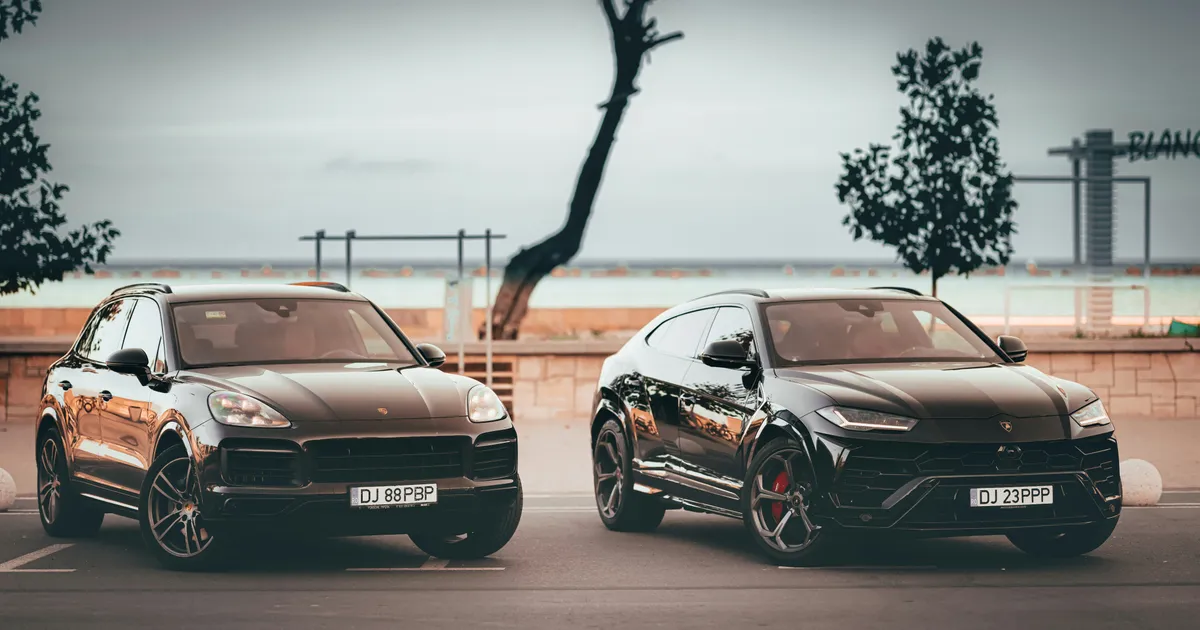
Did you know that by 2026, the global luxury car market is projected to exceed $700 billion, driven by unparalleled advancements in technology and refined driving experiences? Navigating the vast landscape of premium vehicles requires a keen eye for detail, especially when undertaking a comprehensive luxury car comparison features technology and driving experience. This article will help you understand the nuances that set truly exceptional cars apart, ensuring your next automotive investment is perfectly aligned with your desires for performance, innovation, and unparalleled comfort.
Quick Answer: When comparing luxury cars, prioritize cutting-edge technology (infotainment, ADAS, connectivity), evaluate the driving experience (performance, handling, comfort), scrutinize interior design and material quality, assess safety innovations, and consider the long-term ownership value including brand prestige and service. Each factor contributes significantly to the overall premium vehicle experience.
Related Posts:
- Unveiling Tomorrow: Future Mobility Innovations & Smart Vehicle Technologies
- EV Charging Trends: Evaluating Accessibility for an Inclusive Future
- Automotive Diagnostic Tools: Features, Usage & Expert Insights Guide
- 2026 Premium Sedan Showdown: Performance & Comfort Deep Dive
- The Essential Vehicle Preventive Maintenance Schedule for Long-Term Performance
Cutting-Edge Technology & Infotainment
Modern luxury vehicles are essentially sophisticated computers on wheels, offering an array of digital features that redefine the in-car experience. High-resolution digital cockpits seamlessly integrate navigation, media, and vehicle information, often customizable to the driver’s preferences. Advanced infotainment systems, such as Mercedes-Benz’s MBUX or BMW’s iDrive, utilize intuitive touchscreens, voice commands, and gesture controls, ensuring connectivity and entertainment are always at your fingertips. These systems often include seamless smartphone integration, over-the-air updates, and even predictive AI to anticipate driver needs.
Beyond entertainment, luxury cars boast advanced driver assistance systems (ADAS) that significantly enhance safety and convenience. Features like adaptive cruise control, lane-keeping assist, automated parking, and advanced blind-spot monitoring are becoming standard, moving towards semi-autonomous driving capabilities. Predictive suspension systems use cameras to scan the road ahead, adjusting damping in real-time for optimal comfort. For 2026 models, expect even more sophisticated sensor fusion and vehicle-to-infrastructure (V2I) communication, making the driving experience safer and more integrated with the surrounding environment. For more information on evolving automotive technology, explore resources from authoritative automotive publications.
The Pinnacle of Driving Experience
The true essence of a luxury car often lies in its driving dynamics, offering a blend of exhilarating performance and serene comfort. Engines range from potent twin-turbo V8s to silent, powerful electric powertrains, delivering instant torque and effortless acceleration. Sophisticated suspension systems, including adaptive air suspension and magnetic ride control, constantly adjust to road conditions, providing a smooth ride while maintaining composure during spirited driving. Precise steering feedback and advanced braking systems contribute to a confident and engaging feel behind the wheel, making every journey a pleasure.
Beyond raw power, the driving experience encompasses the car’s ability to isolate occupants from the outside world. Superior sound insulation, active noise cancellation technology, and meticulously engineered aerodynamics create an exceptionally quiet cabin, even at high speeds. Seats crafted from premium materials offer extensive adjustability, heating, ventilation, and even massage functions, ensuring optimal comfort on long journeys. This meticulous attention to ride quality and ergonomic design transforms mundane commutes into genuinely relaxing or invigorating experiences, depending on the driver’s mood.
Performance Customization Modes
Modern luxury vehicles excel in adaptability, offering drivers a suite of performance customization modes that transform the car’s character at the touch of a button. Whether it’s an Eco mode for maximum efficiency, a Comfort setting for plush cruising, or a Sport+ mode that sharpens throttle response, firms up suspension, and adjusts steering weight, these options allow for a truly personalized driving feel. Some vehicles even offer individual settings, letting drivers fine-tune specific parameters like engine mapping, transmission shift points, and exhaust note to their exact preferences.
Exquisite Interior Design & Craftsmanship
Stepping inside a luxury car is an experience in itself, defined by an uncompromising commitment to material quality and design aesthetics. Interiors are often adorned with hand-stitched leather, genuine wood veneers, polished metal accents, and carbon fiber trim, all meticulously fitted with precision. The tactile quality of every button, switch, and surface speaks volumes about the attention to detail and craftsmanship, creating an ambiance of exclusivity and sophistication. Personalization options abound, allowing owners to select unique color combinations, trim finishes, and bespoke details that reflect their individual style.
The thoughtful layout and ergonomic design of a luxury cabin prioritize both driver and passenger comfort. Seating positions are carefully optimized, providing excellent support and visibility, while rear passenger space often includes dedicated climate controls, entertainment screens, and power-adjustable seats. Ambient lighting systems, with customizable colors and intensities, create a welcoming atmosphere, while premium audio systems from brands like Burmester or Bang & Olufsen deliver concert-hall sound quality. These elements combine to form a sanctuary from the outside world, enhancing the overall luxury car ownership experience.
Safety Innovations & Brand Prestige
Safety in luxury cars extends far beyond mandatory regulations, incorporating groundbreaking innovations designed to prevent accidents and protect occupants. Advanced structural designs utilize high-strength steel and lightweight composites to create incredibly rigid safety cells. Beyond the aforementioned ADAS, many luxury models feature predictive systems that can anticipate a collision, pre-tension seatbelts, close windows, and even prepare the cabin for impact. These comprehensive active and passive safety measures provide an unparalleled sense of security, which is a core component of the luxury proposition.
The prestige associated with a luxury brand is a significant, albeit intangible, feature. Brands like Porsche, Lexus, and Audi have cultivated reputations for engineering excellence, reliability, and distinctive design over decades. This heritage contributes to strong resale values and a sense of belonging to an exclusive community. Owning a luxury vehicle is often a statement of personal achievement and discerning taste, a factor that heavily influences the purchasing decision for many. The brand’s commitment to innovation and customer satisfaction further solidifies its value proposition in the competitive 2026 market.
Ownership Experience & Value Proposition
The luxury car ownership experience transcends the vehicle itself, encompassing a suite of premium services and benefits designed to cater to discerning clients. This often includes personalized concierge services, extended warranties, complimentary maintenance programs, and exclusive access to owner events. Dealerships typically offer white-glove service, loaner vehicles, and flexible scheduling, ensuring that any service needs are handled with minimal disruption to the owner’s busy lifestyle. This comprehensive support system is a crucial differentiator, adding significant value beyond the initial purchase price.
While depreciation is a factor for any vehicle, understanding the long-term value proposition of a luxury car is essential. Some brands and models hold their value better than others, influenced by factors such as exclusivity, reliability, and market demand. Maintenance costs can be higher due to specialized parts and labor, but often, the superior build quality and advanced engineering lead to fewer unexpected issues. When considering a luxury car comparison, always factor in the total cost of ownership over several years, including insurance, fuel, and potential resale value, to get a complete picture of your investment. For deeper insights into vehicle depreciation, resources like Kelley Blue Book are invaluable.
Key Takeaways
- Advanced technology and intuitive infotainment systems are critical differentiators.
- Driving experience balances powerful performance with unparalleled comfort and refinement.
- Interior craftsmanship, material quality, and personalized design define luxury.
- Comprehensive safety innovations and strong brand prestige add significant value.
- Evaluate the total ownership experience, including service and long-term costs.
Frequently Asked Questions
What defines “luxury” in a car today?
Today, luxury in a car is defined by an exquisite blend of cutting-edge technology, superior craftsmanship, exceptional driving dynamics, and a premium ownership experience. It encompasses advanced safety features, opulent materials, personalized comfort, and a level of refinement that elevates the journey beyond mere transportation, often imbued with strong brand heritage and exclusivity.
How important is technology in a 2026 luxury car?
Technology is paramount in a 2026 luxury car, serving as a core differentiator. It includes advanced infotainment systems with AI integration, comprehensive driver assistance systems (ADAS) offering semi-autonomous capabilities, seamless connectivity, and innovative comfort features. These technologies enhance safety, convenience, entertainment, and the overall intelligent interaction between driver and vehicle.
Is the driving experience truly different in a luxury car?
Absolutely. The driving experience in a luxury car is meticulously engineered for both performance and comfort. It typically involves powerful, refined powertrains, sophisticated adaptive suspension systems for superior ride quality, precise steering, and exceptional cabin insulation. This combination creates a sense of effortless power, serene tranquility, and confident handling that is distinctly different from mainstream vehicles.
What should I consider for long-term luxury car ownership?
For long-term luxury car ownership, consider factors beyond the initial price, such as depreciation rates, maintenance costs (which can be higher for specialized parts and labor), and insurance premiums. Also, evaluate the warranty, availability of premium after-sales services, and the brand’s reputation for reliability. These elements collectively impact the total cost of ownership and overall satisfaction.
Conclusion
Embarking on a luxury car comparison features technology and driving experience journey reveals a world where automotive engineering meets artistic design and groundbreaking innovation. From the tactile sensation of premium materials to the seamless integration of advanced driver aids and the exhilarating yet refined driving dynamics, every aspect is meticulously crafted for discerning tastes. Choosing the right luxury vehicle for 2026 means aligning these sophisticated elements with your personal values and lifestyle. Final Thoughts: What specific luxury feature do you believe will become indispensable in the next five years?