

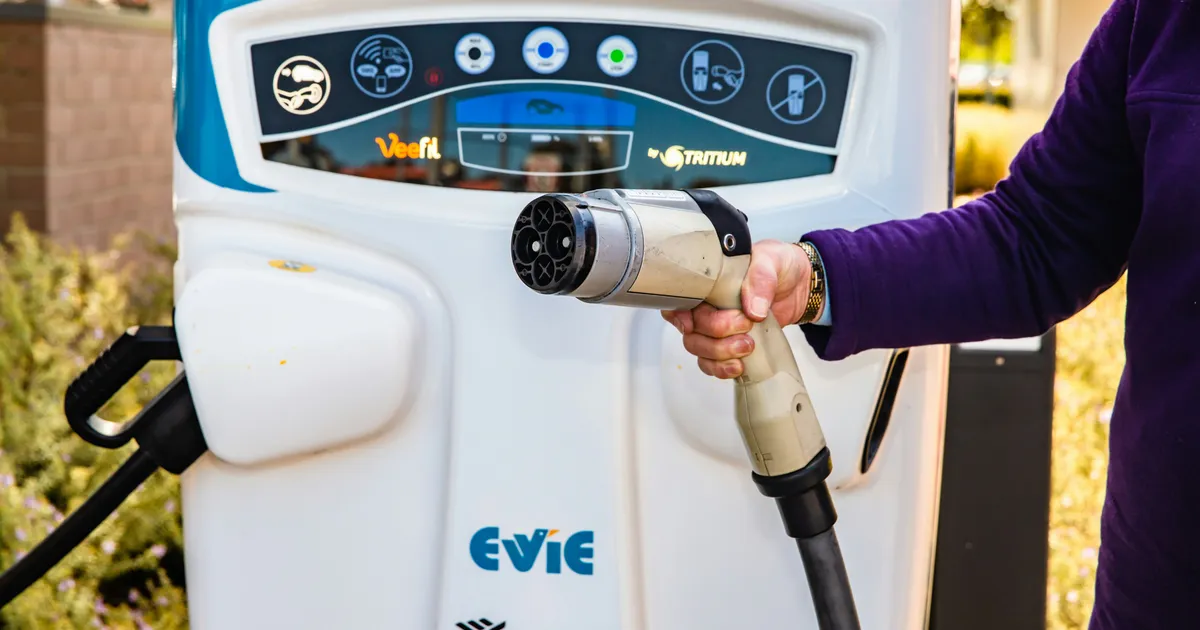
The global electric vehicle (EV) market is exploding, projected to reach 33.7 million units sold annually by 2028, yet the critical backbone supporting this revolution – charging infrastructure – often lags behind. Understanding charging infrastructure trends and accessibility evaluation is paramount not just for EV owners, but for urban planners, policymakers, and investors shaping our sustainable future. This comprehensive guide delves into the dynamic shifts in charging technology, business models, and crucial equity considerations, ensuring that the transition to electric mobility is seamless and inclusive for everyone. We’ll explore how innovation is meeting demand and the vital role of thoughtful design in overcoming current barriers.
Quick Answer: Charging infrastructure trends are rapidly evolving, driven by technological advancements like ultra-fast charging, smart grid integration, and vehicle-to-grid (V2G) capabilities. Key accessibility evaluations focus on equitable distribution across urban and rural areas, ensuring universal design for users with disabilities, and addressing socio-economic barriers to EV adoption. The industry is moving towards greater standardization, robust public-private partnerships, and innovative business models to meet escalating demand and ensure a truly inclusive electric future by 2026 and beyond.
Related Posts:
- Car Financing Options Comparison: Interest Rates & Benefits Analysis
- Vehicle Inspection Checklist for Optimal Performance: Your Essential Guide
- Electric Vehicle Performance & Efficiency: 2026 Analysis & Future Outlook
- Common Transmission Problems: Symptoms & Repair Solutions
- Ultimate Guide to Vehicle Safety Accessories: Standards & Recommendations
The Rapid Evolution of EV Charging Infrastructure
The landscape of EV charging infrastructure is undergoing a profound transformation, moving beyond basic Level 2 chargers to sophisticated, high-power direct current (DC) fast charging networks. This evolution is primarily driven by the increasing battery capacities of new EV models and the consumer demand for shorter charging times, mirroring the convenience of traditional refueling. Moreover, the integration of renewable energy sources directly into charging stations is a burgeoning trend, aiming to reduce the carbon footprint associated with EV charging and enhance grid resilience.
Innovation extends to the physical deployment of these stations, with a focus on optimizing location strategies to alleviate range anxiety and support long-distance travel. Urban centers are seeing a proliferation of curbside and multi-unit dwelling charging solutions, while highway corridors are becoming dense with ultra-fast charging hubs. The development of intelligent charging systems that can manage power flow based on grid demand and energy prices is also critical, enabling a more efficient and sustainable energy ecosystem for electric vehicles.
Technological Innovations Shaping Charging
Advanced battery technologies are pushing the boundaries of what’s possible for EV charging, making ultra-fast charging a reality. Chargers capable of delivering 350 kW or more are becoming increasingly common, drastically reducing charging stops to mere minutes for compatible vehicles. This leap in speed is crucial for mass EV adoption, addressing one of the primary concerns for prospective buyers regarding convenience and travel time. Further innovations include dynamic power sharing among multiple charging points to optimize energy distribution and minimize grid strain.
Beyond raw speed, smart charging and Vehicle-to-Grid (V2G) technology are revolutionizing how EVs interact with the power grid. Smart charging allows for managed power delivery, often scheduling charging during off-peak hours to lower costs and balance grid load. V2G technology takes this a step further, enabling EVs to feed stored energy back into the grid during peak demand or emergencies, transforming vehicles into mobile power banks. This bidirectional capability holds immense potential for grid stability and energy arbitrage, turning EVs into active participants in the energy market.
Addressing Accessibility and Equity in Charging
Ensuring equitable access to charging infrastructure is a complex challenge that extends beyond mere availability; it encompasses geographical distribution, socio-economic factors, and physical accessibility for all users. Currently, there’s a significant disparity in charging access between urban and rural areas, as well as between affluent and underserved communities. Many residents in apartments or multi-unit dwellings lack dedicated home charging options, making reliance on public infrastructure critical. Addressing these gaps requires strategic planning and investment to prevent the creation of new mobility divides.
Furthermore, the physical design and usability of charging stations must cater to a diverse user base. Universal design principles are essential to ensure that stations are accessible to individuals with disabilities, including those using wheelchairs or with visual impairments. This means considering appropriate cable lengths, screen heights, payment system accessibility, and adequate space around charging points. Without a deliberate focus on these aspects, a significant portion of the population could be excluded from the benefits of electric mobility, undermining the goal of an inclusive transition.
Universal Design Principles for EV Chargers
Implementing universal design principles in EV charging infrastructure goes beyond compliance; it fosters genuine inclusivity. This involves designing charging stations with features such as lowered screens, accessible payment terminals, and clear, intuitive interfaces that can be operated by users with varying physical and cognitive abilities. Adequate maneuvering space around chargers, clearly marked parking bays, and well-lit areas are also critical for safety and ease of use, particularly for individuals with mobility challenges. The goal is to make the charging experience seamless and dignified for everyone, regardless of their physical capabilities.
Beyond physical design, the user experience for all individuals must be considered. This includes multilingual instructions, voice-activated options for those with visual impairments, and clear signage that guides users through the charging process. Ensuring that customer support is readily available and accessible through various channels (e.g., phone, app, online chat) further enhances the user experience. By integrating universal design from the outset, we can proactively build an EV charging network that serves the entire community, promoting broader adoption and reducing potential barriers.
Business Models and Investment Strategies
The financial landscape of EV charging infrastructure is diverse, with various business models emerging to meet the growing demand. Public-private partnerships are increasingly common, leveraging government incentives and private sector innovation to accelerate deployment. These collaborations often involve utilities, energy companies, and dedicated charging network operators. Subscription models, pay-per-use, and even advertising-supported charging stations are all part of the evolving mix, aiming to provide flexible options for consumers and sustainable revenue streams for providers. The International Energy Agency (IEA) provides valuable insights into global investment trends in this sector.
Significant investment is pouring into the charging sector, driven by optimistic growth forecasts for EV adoption. Venture capital, corporate investments, and government grants are fueling research and development in charging technologies, as well as the expansion of charging networks. By 2026, we anticipate even more robust investment in smart grid integration, battery storage at charging sites, and the development of software solutions for network management and user experience. This robust financial backing is crucial for scaling infrastructure to match the pace of EV manufacturing and consumer demand.
Policy, Regulation, and Standardization Efforts
Government policies and regulations play a pivotal role in shaping the deployment and accessibility of EV charging infrastructure. Incentives such as tax credits for charger installation, grants for public charging networks, and mandates for EV-ready new constructions are accelerating development. These policies often aim to address specific market failures or encourage investment in underserved areas. Furthermore, local zoning laws and building codes are being updated to accommodate the unique requirements of EV charging stations, streamlining the permitting and installation processes.
Standardization is another critical aspect, ensuring interoperability and ease of use across different charging networks and vehicle brands. While standards like CCS (Combined Charging System) and the emerging NACS (North American Charging Standard) are gaining traction, efforts are ongoing to ensure seamless communication protocols and payment systems. Harmonizing these standards across regions and manufacturers reduces complexity for consumers and fosters a more cohesive charging ecosystem. The U.S. Department of Energy’s Alternative Fuels Data Center offers comprehensive details on relevant laws and incentives.
Key Takeaways
- EV charging infrastructure is rapidly evolving, driven by demand for faster, smarter, and more integrated solutions.
- Technological advancements like ultra-fast charging, V2G, and smart grid integration are redefining the charging experience.
- Accessibility and equitable distribution are critical challenges, requiring universal design and strategic deployment in underserved areas.
- Diverse business models and substantial investment are fueling the expansion and innovation of charging networks.
- Government policies, regulations, and standardization efforts are essential for a cohesive and efficient EV charging ecosystem by 2026.
Frequently Asked Questions
What are the biggest challenges for EV charging infrastructure?
The biggest challenges include ensuring equitable access across all communities, managing grid capacity with increasing demand, achieving faster charging speeds universally, standardizing payment and connector types, and securing sufficient funding for widespread deployment, particularly in rural and multi-unit dwelling areas.
How will smart charging impact future energy grids?
Smart charging will profoundly impact future energy grids by enabling demand-side management, allowing charging to occur during off-peak hours when electricity is cheaper and more abundant. This helps balance the grid, integrates more renewable energy sources, and can potentially leverage V2G technology to use EVs as distributed energy storage, enhancing grid resilience.
Is wireless EV charging a viable trend for the future?
Wireless EV charging is a promising technological trend, offering convenience and reducing clutter. While currently less efficient and slower than wired charging, ongoing research is improving its capabilities. It holds significant potential for specific applications like automated public transport, taxi fleets, and home garages, potentially becoming a viable, albeit niche, solution by 2026 and beyond.
How can accessibility for disabled users be improved at charging stations?
Improving accessibility involves implementing universal design principles: ensuring adequate space for wheelchairs, lowering screen and payment terminal heights, providing longer charging cables, incorporating clear audio and visual instructions, and ensuring well-lit, safe environments. Collaboration with disability advocates during design and deployment is also crucial for meaningful improvements.
Conclusion
The journey towards a fully electrified transportation system hinges critically on the robust development of its charging infrastructure. As we’ve explored, the blend of technological innovation, strategic investment, and thoughtful policy is shaping a future where charging is faster, smarter, and seamlessly integrated into our daily lives. Addressing the crucial aspects of charging infrastructure trends and accessibility evaluation is not just about convenience; it’s about ensuring an equitable and sustainable transition for all. The progress by 2026 will undoubtedly set the stage for an even more transformative decade, paving the way for a truly electric world.