

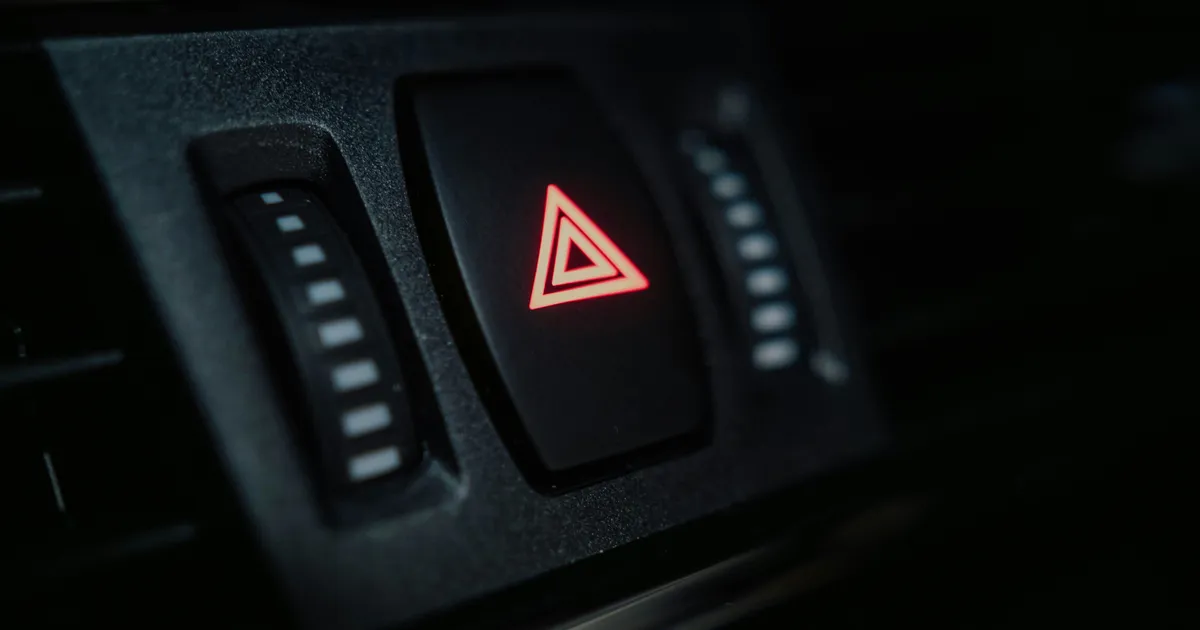
Did you know that over 40% of drivers admit to ignoring a dashboard warning light for at least a week, risking significant damage and costly repairs? Understanding your dashboard warning indicators meaning and troubleshooting them promptly is not just about avoiding a breakdown; it’s about safeguarding your investment and ensuring your safety on the road. These illuminated symbols are your vehicle’s primary way of communicating vital information, from minor service reminders to critical mechanical failures. Deciphering these signals quickly can save you thousands in potential repairs and prevent dangerous situations, allowing you to drive with confidence and peace of mind.
Quick Answer: Dashboard warning indicators signal potential issues in your vehicle, ranging from minor maintenance reminders to critical system failures. Red lights usually indicate an immediate danger requiring you to stop driving, while yellow/orange lights suggest a problem that needs attention soon. Always consult your owner’s manual for specific meanings and troubleshoot safely, often by checking fluid levels, tire pressure, or seeking professional diagnostics.
Related Posts:
- Elevate Your Drive: Car Interior Upgrade Accessories for Performance & Comfort
- Must-Have Car Accessories: Essential Gear for Enhanced Safety & Daily Convenience
- How to Choose the Best Car: Your Usage & Budget Strategy Guide
- Electric vs. Hybrid: Which Saves You More Long-Term?
- 2026 Premium Sedan Showdown: Performance & Comfort Deep Dive
Understanding Red Warning Lights
Red warning lights are the most urgent signals your car can send, indicating a potentially serious problem that requires immediate attention. These lights often signify a critical system failure that could compromise safety or cause severe damage if ignored. For instance, a red oil can symbol indicates low oil pressure, which can lead to catastrophic engine failure if you continue driving. Similarly, a battery light that remains illuminated suggests a charging system problem, potentially leaving you stranded with a dead battery.
When a red light appears, the safest course of action is to pull over as soon as it’s safe to do so and turn off the engine. Continuing to drive with a critical red warning light on can exacerbate the problem, turning a manageable repair into an expensive catastrophe. Always refer to your vehicle’s owner’s manual for the exact meaning of the specific red indicator, as interpretations can vary slightly between manufacturers. Prompt action is paramount to prevent further damage and ensure your safety.
Deciphering Yellow/Orange Indicators
Yellow or orange warning lights typically indicate a less immediate but still important issue that needs attention soon. Unlike red lights, these usually don’t demand an immediate stop, but they shouldn’t be ignored for long. The “Check Engine” light, often amber, is a common example. It can signal anything from a loose gas cap to a failing catalytic converter, and while your car might seem to drive normally, the underlying issue could be affecting fuel efficiency or emissions.
Other common yellow indicators include the Tire Pressure Monitoring System (TPMS) light, signaling low tire pressure, or the Anti-lock Braking System (ABS) light, indicating a fault with the ABS. While your regular brakes might still work, the ABS feature could be disabled. It’s crucial to address these warnings within a reasonable timeframe, often within a few days, to prevent the issue from worsening or affecting other vehicle systems. Many of these issues can be easily diagnosed and resolved, but neglecting them could lead to more significant problems down the line.
The Elusive Check Engine Light
The Check Engine Light (CEL), also known as the Malfunction Indicator Lamp (MIL), is perhaps the most misunderstood and frequently ignored dashboard warning. It illuminates when the On-Board Diagnostics (OBD-II) system detects a fault within the engine, emissions, or transmission systems. This light can be triggered by a vast array of issues, making it difficult to pinpoint the exact cause without specialized diagnostic tools. Common culprits include a faulty oxygen sensor, a loose or damaged gas cap, spark plug issues, or even a failing catalytic converter.
While a blinking Check Engine Light often signifies a severe misfire that could damage the catalytic converter and requires immediate attention, a steady light suggests a less urgent but still important problem. It’s highly recommended to have your vehicle scanned by a professional or use an OBD-II scanner yourself to retrieve the diagnostic trouble codes (DTCs). These codes provide valuable clues that guide troubleshooting and help identify the necessary repairs, ensuring your vehicle runs efficiently and meets emission standards for 2026 and beyond.
Navigating Green and Blue Lights
Not all dashboard lights signal a problem; many are purely informational. Green and blue indicators typically fall into this category, letting you know that a particular system or feature is active. A common green light is the turn signal indicator, which flashes when you activate your turn signals. Similarly, the green headlight symbol indicates your low beam headlights are on, providing necessary illumination for safe driving.
Blue lights are less common but serve a similar informational purpose. The most prominent blue indicator is for your high beam headlights, letting you know when they are engaged. This is crucial for nighttime driving in areas with little to no ambient light, but it also reminds you to switch them off when oncoming traffic approaches to avoid blinding other drivers. Understanding these informational lights helps you use your vehicle’s features correctly and safely, enhancing your overall driving experience in 2026.
Troubleshooting Common Warning Signs
When a warning light appears, basic troubleshooting can sometimes resolve the issue or provide crucial information for a mechanic. For a low tire pressure light (TPMS), check all tire pressures with a gauge and inflate them to the recommended PSI, found on a sticker inside your driver’s side door jamb. If the light persists after driving a few miles, there might be a slow leak or a sensor issue. For the battery light, ensure your battery terminals are clean and tight; if the light remains, it often points to a failing alternator or battery itself.
For the “Service Engine Soon” or “Check Engine” light, a simple check of your gas cap to ensure it’s securely tightened can sometimes resolve the issue. If not, consider visiting a local auto parts store, as many offer free OBD-II code readings, providing a starting point for diagnosis. For more critical lights like low oil pressure or high engine temperature, it’s always best to stop driving immediately and consult a professional. Resources like NHTSA provide general safety guidelines, while your owner’s manual is the definitive guide for your specific vehicle.
Key Takeaways
- Red warning lights demand immediate attention and often require you to stop driving safely.
- Yellow/orange lights indicate issues needing prompt, but not always immediate, resolution.
- Green and blue lights are informational, showing active systems like headlights or turn signals.
- Always consult your owner’s manual first, and consider professional diagnosis for persistent or critical warnings.
Frequently Asked Questions
What should I do if my oil pressure light comes on?
If your oil pressure light illuminates while driving, you should pull over immediately and safely turn off the engine. Low oil pressure can quickly lead to severe engine damage. Check your oil level, but even if it appears full, do not continue driving. It’s best to have your vehicle towed to a mechanic for professional diagnosis and repair, as the issue could be a faulty oil pump or sensor, not just low oil.
Can I ignore the tire pressure warning light?
No, you should not ignore the tire pressure warning light (TPMS). Low tire pressure can lead to decreased fuel efficiency, premature tire wear, and a significant safety hazard, increasing the risk of a blowout or loss of control, especially at high speeds. Check and adjust your tire pressures to the manufacturer’s recommendations as soon as possible, and inspect for any punctures.
What does a flashing “Check Engine” light mean?
A flashing “Check Engine” light is a critical warning indicating a severe engine misfire. This condition can rapidly damage your catalytic converter, an expensive component of your exhaust system. If the light is flashing, reduce power, avoid heavy acceleration, and drive immediately to the nearest service center or pull over and arrange for a tow. Prompt action is crucial to prevent costly repairs.
How often should I check my dashboard for warning lights?
You should make it a habit to glance at your dashboard warning indicators every time you start your vehicle and periodically while driving. Many modern cars perform a quick bulb check upon ignition, illuminating all lights briefly. Pay particular attention to any lights that remain on after the initial check or appear unexpectedly during your journey. Regular vigilance is key to early detection and preventative maintenance.
Conclusion
Understanding the dashboard warning indicators meaning and troubleshooting them effectively is a non-negotiable aspect of responsible vehicle ownership. These small lights are your car’s way of communicating, providing crucial insights into its health and potential issues. By heeding their warnings, whether red, yellow, green, or blue, you ensure your safety, prolong your vehicle’s lifespan, and avoid costly repairs down the road. Stay informed, consult your manual, and don’t hesitate to seek professional help when needed. Drive smarter, not harder.