

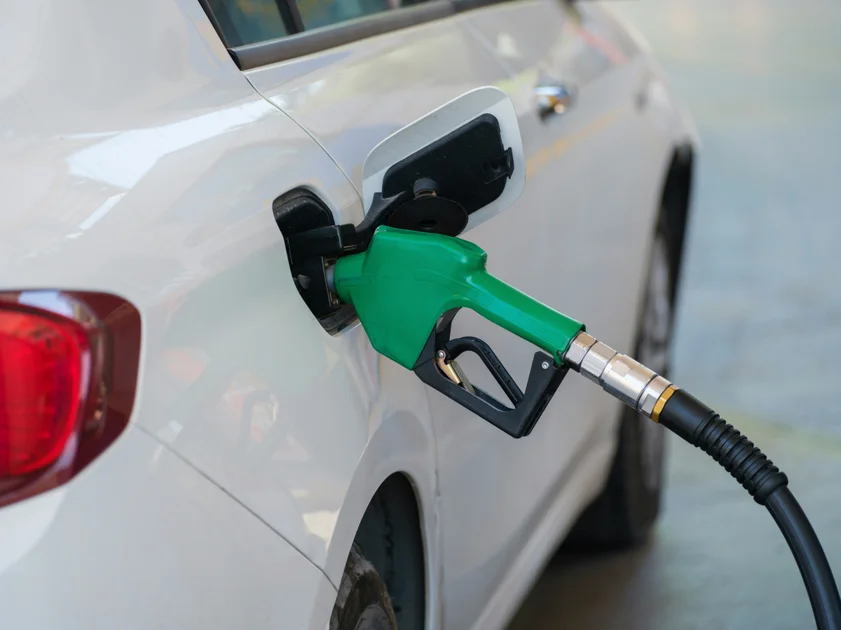
Learning how to improve fuel efficiency through regular vehicle maintenance is not merely a mechanical task; it is a profound exercise in stewardship and mindful living. In this era of 2026, where our reliance on mobility meets the urgent necessity of ecological preservation, the state of our machines reflects the state of our intentions. A vehicle is an extension of the human will, a complex symphony of steel, fluid, and combustion that demands our attention if it is to move through the world with grace and economy. When we neglect the simple rhythms of upkeep, we impose a tax upon our own resources and the planet alike. By aligning our habits with the technical needs of our engines, we move beyond mere consumption and into a sustainable partnership with the technology that facilitates our daily journeys.
The Philosophy of Engine Health
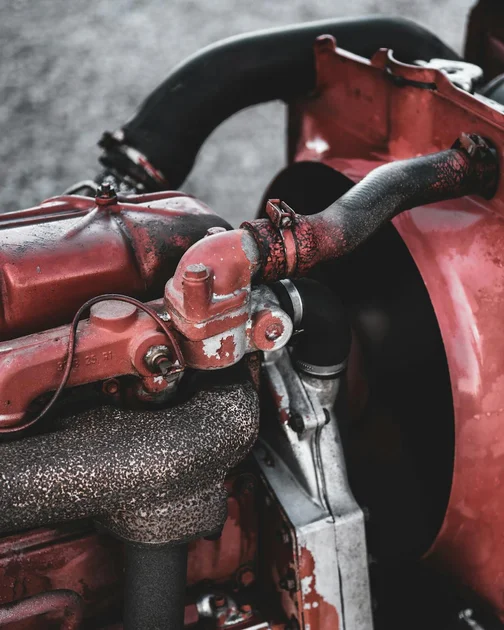
At the heart of every vehicle lies an engine that yearns for efficiency. Much like a human body, an engine thrives when its internal systems are free from friction, debris, and neglect. Regular oil changes, performed according to the 2026 manufacturer guidelines, ensure that the internal components move with minimal resistance. When we allow oil to degrade, we force the engine to exert more energy to overcome the viscosity of sludge and impurities, directly impacting the fuel consumption rate. This is a subtle degradation of potential energy that often goes unnoticed until the efficiency gap becomes glaringly wide.
Beyond the oil, the air intake system acts as the respiratory organ of the vehicle. A clean engine air filter is vital; it permits the precise mixture of oxygen and fuel required for optimal combustion. As we navigate the roads of 2026, the accumulation of dust and particulate matter in our air filters can choke the engine, leading to a compensatory surge in fuel usage. By viewing maintenance as a ritual of care rather than a chore, we ensure that our vehicle remains a lean, responsive instrument. This intentional maintenance philosophy transforms the act of driving from a passive consumption of fuel into an active practice of mechanical harmony and fiscal responsibility.
Tire Pressure and Mechanical Drag
The relationship between the tire and the road is the fundamental interface of movement. Low tire pressure is perhaps the most significant silent thief of fuel efficiency, creating an unnecessary drag that forces the engine to burn more fuel to maintain momentum. When tires are under-inflated, the increased contact patch and sidewall flex generate heat and friction. This mechanical resistance is the enemy of economy, and in 2026, there is no excuse for ignoring what a simple tire pressure gauge can reveal in moments. The modern driver must treat tire maintenance as a cornerstone of their broader commitment to mechanical efficiency.
Furthermore, the alignment of the wheels plays a critical role in how a vehicle glides across the pavement. Even a slight misalignment can cause tires to scrub against the road surface rather than rolling smoothly. This creates a parasitic load that drains fuel efficiency with every mile driven. By ensuring that our vehicles are professionally aligned, we reduce the workload on the drivetrain, allowing the engine to operate within its most efficient power band. It is a quiet, invisible optimization, yet its cumulative effect on fuel economy over the course of a year is profound, reflecting a disciplined approach to the physics of travel.
Advanced Fluid Management
The Role of Synthetic Lubrication
In our modern landscape, the quality of fluids we choose to circulate through our systems dictates the longevity and efficiency of our machines. Synthetic oils, which have become the industry standard for 2026, provide superior thermal stability and reduced friction compared to conventional options. By choosing high-quality lubricants, we are investing in the microscopic smoothness of the engine’s internal surfaces. This reduction in internal drag is a hallmark of engineering excellence that rewards the diligent owner with better fuel economy and fewer long-term repair costs.
Cooling system maintenance is equally paramount. An engine that runs too cold or too hot fails to meet the thermal requirements for efficient fuel combustion. By ensuring the thermostat is functioning and the coolant is fresh, we maintain the engine at its ideal operating temperature. This is where fuel economy standards intersect with daily maintenance habits. When the engine operates at the perfect thermal equilibrium, it burns fuel with greater precision, minimizing waste and maximizing the distance traveled for every drop consumed. It is a testament to the fact that efficiency is always a byproduct of order.
Cost & Pricing Breakdown
Understanding the financial reality of vehicle maintenance is essential for long-term savings. While the initial costs of professional service may seem significant, they are mere fractions of the savings generated by improved fuel efficiency over the lifespan of a vehicle.
| Maintenance Item | Estimated Cost (2026) | Frequency |
|---|---|---|
| Synthetic Oil Change | $70 – $120 | Every 7,500 miles |
| Air Filter Replacement | $30 – $60 | Every 15,000 miles |
| Wheel Alignment | $100 – $180 | Every 12,000 miles |
| Tire Rotation/Balance | $50 – $90 | Every 5,000 miles |
Reddit & Expert Community Consensus
“The biggest mistake I see in 2026 is people ignoring their tire pressure sensors. It is not just a light on the dash; it is a direct indicator of your wallet getting thinner. Every 5 PSI under recommendation is costing you significant fuel economy. Keep a good digital gauge in your glovebox and check it whenever the seasons change.” — User: MechanicGuru_2026, Automotive Forum
The collective wisdom of the automotive community highlights that consistency is the primary driver of efficiency. Experts frequently discuss the importance of monitoring spark plugs and ignition systems, noting that even minor misfires—often imperceptible to the driver—can lead to a double-digit percentage drop in fuel economy. By staying ahead of these small failures, one prevents the cascading damage that leads to major, expensive overhauls.
The Impact of Driving Habits
Maintenance is only one half of the equation; the way we operate our machines is the other. Even the most meticulously maintained vehicle will struggle if it is subjected to aggressive acceleration and erratic braking. Efficiency is a form of momentum management. By practicing smooth, anticipatory driving—often referred to as defensive driving—we allow the vehicle to maintain its kinetic energy rather than constantly asking the engine to fight against the inertia of a heavy, stop-and-go existence.
In 2026, many vehicles come equipped with sophisticated onboard computers that monitor fuel usage in real-time. Paying attention to these metrics can be a transformative experience, turning the act of driving into a game of optimizing flow. When we understand how our throttle inputs affect our fuel consumption, we begin to adjust our driving style to match the vehicle’s optimal performance profile. This synergy between human intuition and machine feedback is the ultimate manifestation of modern driving, where efficiency is not just a technical spec, but a skill cultivated through experience.
Key Takeaways
- Regular oil changes reduce internal friction and improve thermal efficiency.
- Maintaining optimal tire pressure is the simplest way to reduce rolling resistance.
- Clean air filters are essential for the engine to breathe and combust fuel properly.
- Professional wheel alignment prevents parasitic drag that wastes fuel.
- Monitoring spark plugs and ignition components prevents hidden fuel waste.
- Smooth driving habits complement mechanical maintenance to maximize savings.
Frequently Asked Questions
Does premium fuel improve efficiency for all cars?
No, premium fuel only improves efficiency or performance in engines specifically designed to require or benefit from higher octane ratings. Always consult your owner’s manual.
How often should I check my tire pressure?
For optimal results in 2026, check your tire pressure at least once a month and before any long road trips, as temperature changes significantly impact pressure.
Can a dirty air filter really affect my gas mileage?
Yes, a clogged air filter restricts the airflow, causing the engine to run “rich,” which consumes more fuel than necessary for the power produced.
Is it worth paying for synthetic oil over conventional oil?
In 2026, synthetic oil is highly recommended for almost all vehicles due to its superior protection, heat resistance, and ability to reduce engine drag.
Does wheel alignment affect fuel consumption?
Yes, misaligned wheels force the tires to drag across the road surface, increasing rolling resistance and forcing the engine to work harder to maintain speed.
Conclusion
Ultimately, learning how to improve fuel efficiency through regular vehicle maintenance is an act of respect toward our resources and the environment. By embracing the discipline of 2026 standards, we ensure that our vehicles operate at the peak of their potential, saving money and reducing our carbon footprint. Maintenance is not a burden but an investment in the long-term reliability and performance of our machines. As we navigate the roads ahead, let us carry the knowledge that a well-cared-for vehicle is a silent partner in our quest for a more efficient and sustainable future.