

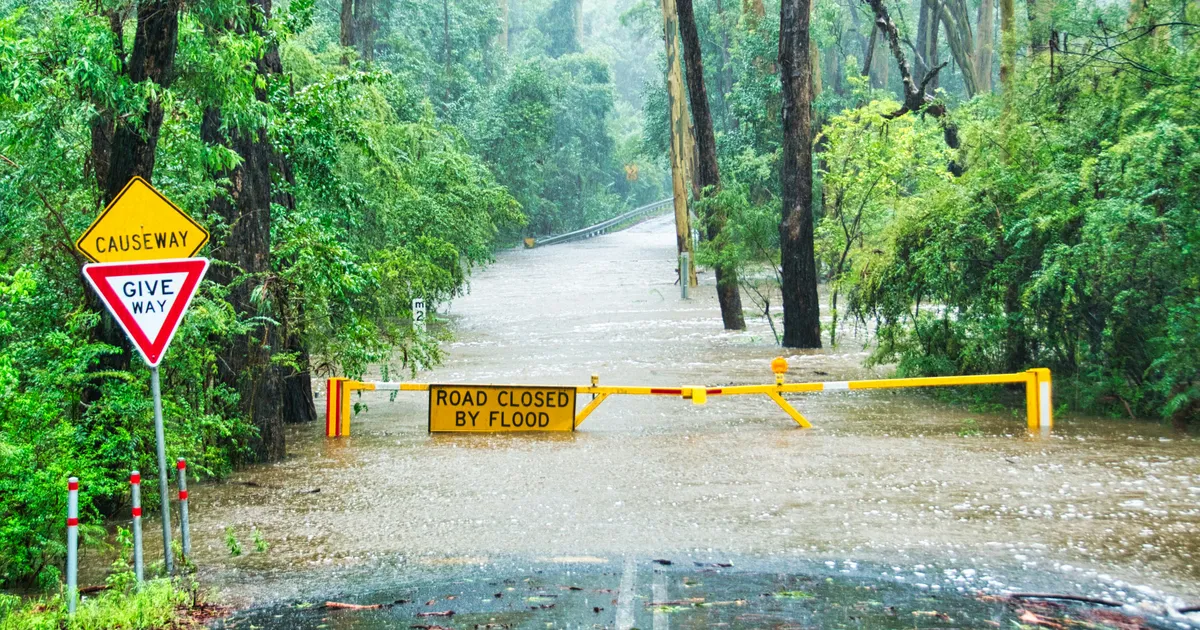
The real world safety performance of advanced driver assistance systems in heavy rain conditions remains one of the most significant challenges for the automotive industry as we move toward full autonomy. While these systems have demonstrated remarkable efficacy in clear weather, the introduction of atmospheric moisture drastically alters the operational environment. Heavy precipitation introduces complex variables such as backscatter, signal attenuation, and physical obstruction of optical lenses, which can lead to system degradation or total failure. Understanding how these technologies respond to torrential downpours is essential for both manufacturers and consumers who rely on them for active safety measures. As vehicles become increasingly reliant on sensor suites to interpret their surroundings, the limitations imposed by adverse weather must be transparently addressed to ensure continued public trust in automated driving technologies.
Sensor Limitations in Adverse Weather
Advanced driver assistance systems rely on a combination of hardware to perceive the environment, but heavy rain significantly impacts the reliability of these components. Optical cameras, which are fundamental for lane-keeping and traffic sign recognition, often struggle when water droplets accumulate on the windshield or lens surfaces. This physical obstruction creates a “blurring” effect that prevents the software from accurately identifying lane markings or the edges of the roadway. Furthermore, the refractive properties of water can cause light to scatter, leading to false positives or missed detections in low-light scenarios common during storms. Without clear visual data, the system may abruptly disengage, forcing the human driver to take immediate control in hazardous conditions.
- Mastering Vehicle Ownership Costs for Long-Term Financial Planning
- The Essential Vehicle Preventive Maintenance Schedule for Long-Term Performance
- Best Budget Hatchbacks: Value for Money Comparison Guide
- Dashboard Warning Lights: Meanings, Causes & Troubleshooting Tips
- Automotive Diagnostic Tools: Features, Usage & Expert Insights Guide
LiDAR technology, while highly precise in 3D mapping, faces its own set of hurdles during intense rainfall. The laser pulses emitted by LiDAR sensors are easily reflected by individual raindrops, creating “noise” in the point cloud data that the system must filter out. If the rain is sufficiently dense, the sensor may perceive the wall of water as a solid object, triggering unnecessary emergency braking or preventing the vehicle from maintaining its path. Researchers are working on advanced algorithms to distinguish between precipitation and actual obstacles, but the physical limitations of light transmission through water remain a primary bottleneck. The reduction in effective range during a storm means that the vehicle has less time to react to potential hazards appearing ahead.
Radar remains the most robust sensor in these conditions due to its longer wavelengths, which can pass through raindrops with minimal interference. However, even radar is not immune to the effects of heavy rain, as the presence of water on the ground can lead to multipath reflections and increased signal clutter. When the road surface becomes a mirror-like sheet of water, the radar signals may bounce off the asphalt in unpredictable ways, making it difficult to detect smaller objects or pedestrians. Consequently, while radar provides a safety net when cameras and LiDAR fail, the overall system performance is still compromised by the lack of high-fidelity data from the other sensors in the suite.
Comparative Analysis of Sensor Resilience
To understand the performance gap between different ADAS technologies, it is helpful to examine how each sensor type handles specific environmental stressors. The following table highlights the operational strengths and weaknesses of the primary sensors used in modern vehicles when subjected to heavy precipitation. This data reflects the current engineering consensus as we approach the 2026 production cycles for next-generation safety platforms. By identifying these gaps, engineers can better implement sensor fusion strategies that prioritize the most reliable data stream at any given moment, ensuring that the vehicle maintains a safe trajectory even when one or more sensors are significantly impaired by the weather.
| Sensor Type | Primary Function | Rain Impact Level | Main Failure Mode |
|---|---|---|---|
| Optical Camera | Object/Lane Detection | Critical | Visual occlusion and blurring |
| LiDAR | 3D Mapping/Depth | High | Signal scattering and noise |
| Millimeter-Wave Radar | Distance/Velocity | Low | Multipath ground reflections |
| Ultrasonic | Proximity Sensing | Moderate | Surface water interference |
The integration of these sensors into a unified “world model” is what allows for the real world safety performance of advanced driver assistance systems in heavy rain conditions to remain functional. However, the software must be programmed with conservative safety margins that account for the reduced confidence in sensor data during a storm. For instance, if the camera reports a 40% confidence level in a lane marking while the radar reports clear space ahead, the system may choose to slow the vehicle down rather than risk an incorrect steering adjustment. This cautious approach is vital for preventing high-speed accidents that can occur when a system overestimates its own capabilities in deteriorating weather conditions.
Real World Testing and Edge Cases
Standardized testing for ADAS often takes place in controlled environments that do not fully capture the chaotic nature of a real-world thunderstorm. In actual driving scenarios, rain is rarely a uniform mist; it involves splashing from other vehicles, varying intensities, and the presence of road spray containing oils and debris. These “edge cases” are where many current systems fail to perform as advertised. For example, the spray kicked up by a heavy truck can completely blind a following car’s forward-looking sensors, even if the overhead rain is relatively light. Capturing these nuances requires millions of miles of real-world data collection to train the machine learning models that power modern safety features.
Another critical factor is the degradation of the road surface itself, which affects how the ADAS interprets the physical limits of the vehicle. Heavy rain increases the risk of hydroplaning, a condition where the tires lose contact with the road. Traditional ADAS features like Adaptive Cruise Control (ACC) may not be able to detect the loss of traction quickly enough to prevent a skid. By 2026, it is expected that more vehicles will integrate chassis sensors with ADAS logic to proactively adjust speed based on detected road friction. This holistic approach moves beyond simple vision-based safety and incorporates the mechanical realities of driving in the wet, providing a much higher level of protection for the occupants.
Safety Standards and Regulation in 2026
As the automotive landscape evolves, regulatory bodies like the National Highway Traffic Safety Administration are beginning to implement stricter guidelines for all-weather performance. By 2026, it is anticipated that new safety ratings will specifically include “adverse weather resilience” as a core metric for vehicle evaluation. This shift forces manufacturers to move away from marketing ADAS as a convenience feature and instead treat it as a critical life-saving technology that must work reliably 24/7. These regulations will likely mandate standardized fail-safe protocols, ensuring that if a system cannot operate safely in the rain, it provides a clear and timely warning to the driver to intervene.
Global safety organizations are also pushing for better transparency regarding the operational design domain (ODD) of these systems. The ODD defines the specific conditions under which a system is designed to function, and many current manuals explicitly state that ADAS should not be used in heavy rain. However, consumers often ignore these warnings, leading to dangerous situations. Future standards will require vehicles to automatically detect when they have exited their ODD and take corrective action, such as limiting the maximum speed or increasing the following distance. This regulatory pressure is driving innovation in sensor cleaning systems, such as high-pressure air jets and heated lenses, to maintain visibility in the worst conditions.
The Human Factor and System Feedback
The interaction between the driver and the automated system is perhaps the most vulnerable link in the safety chain during inclement weather. When the real world safety performance of advanced driver assistance systems in heavy rain conditions begins to degrade, the vehicle must communicate this limitation effectively. If the feedback is too subtle, the driver may remain over-reliant on the technology, leading to a delayed reaction when the system eventually cuts out. Conversely, if the alerts are too frequent or alarming, they can cause driver panic or lead the user to disable the safety features entirely. Striking the right balance in the Human-Machine Interface (HMI) is essential for maintaining situational awareness.
Notification Latency and Driver Response
One of the primary concerns in HMI design is the latency between sensor failure and driver notification. In heavy rain, a camera might lose the lane markings in a fraction of a second, but the system may wait several seconds to confirm the loss before alerting the driver. This gap can be catastrophic if the vehicle begins to drift toward an embankment or into oncoming traffic. Research published by organizations such as SAE International suggests that haptic feedback, such as steering wheel vibrations, is often more effective than visual or auditory alerts in high-stress weather scenarios. Reducing this latency is a top priority for engineers working on the next generation of driver monitoring systems.
Furthermore, the “handover” process must be managed carefully to ensure the driver is actually ready to take control. In heavy rain, the driver’s cognitive load is already high, and a sudden request to take over steering can be overwhelming. Advanced systems are now being designed to monitor driver attentiveness through internal cameras, ensuring that the person behind the wheel is looking at the road before the ADAS disengages. If the driver is distracted, the vehicle may initiate a “minimal risk maneuver,” such as slowing down and pulling onto the shoulder, rather than simply turning off the assistance and leaving the driver to figure out the situation in the middle of a storm.
Future Technological Breakthroughs
Looking toward the end of the decade, several technological breakthroughs are poised to dramatically improve ADAS performance in the rain. One of the most promising areas is the development of “gated imaging” cameras, which can see through fog and heavy rain by timing the release of light pulses and only capturing the reflections from a specific distance. This effectively filters out the backscatter from nearby raindrops, providing a clear image of the road ahead even in a downpour. When combined with more powerful on-board processing, these sensors will allow vehicles to maintain high-speed autonomy in conditions that would currently require a human to pull over and wait for the weather to clear.
By 2026, we will also see a wider deployment of V2X (Vehicle-to-Everything) communication, which allows cars to share weather and road condition data in real-time. If a vehicle a mile ahead encounters a sudden cloudburst or a patch of standing water, it can broadcast that information to all following vehicles. This allows the ADAS to prepare for the hazard before its own sensors even detect it. By leveraging collective intelligence, the real world safety performance of advanced driver assistance systems in heavy rain conditions can be significantly enhanced, creating a “digital horizon” that extends far beyond the physical range of any single sensor suite. This collaborative approach is the key to achieving true all-weather safety.
Key Takeaways
- Heavy rain causes significant signal attenuation and scattering for optical and LiDAR sensors, reducing their effective range.
- Radar remains the most reliable sensor in wet conditions, although it is still subject to multipath reflections from water on the ground.
- Current ADAS often struggle with “edge cases” like road spray from other vehicles, which can lead to sudden system disengagement.
- Regulatory standards in 2026 will likely mandate better all-weather performance and clearer communication of system limitations to drivers.
- Sensor fusion and V2X communication are the most promising pathways to improving safety in adverse weather conditions.
- Drivers should remain vigilant and ready to take control, as most current systems are not designed for full autonomy in torrential rain.
Frequently Asked Questions
Should I use Adaptive Cruise Control in heavy rain?
Most manufacturers and safety experts recommend against using Adaptive Cruise Control in heavy rain. The system may not detect standing water or hydroplaning risks, and sensor interference can lead to erratic braking or acceleration, which increases the risk of losing control on slick surfaces.
How does rain affect the Lane Keeping Assist feature?
Lane Keeping Assist relies heavily on cameras to identify painted lines on the road. Heavy rain can obscure these lines or create reflections that confuse the software, causing the system to lose its “lock” on the lane and potentially steer the vehicle unexpectedly if it misinterprets a reflection as a marking.
Are newer cars better at driving in the rain than older models?
Yes, newer models typically feature more advanced sensor fusion and better software algorithms for filtering out environmental noise. Vehicles produced closer to 2026 are also likely to have better hardware protections, such as heated sensors and self-cleaning lenses, which help maintain visibility in storms.
Can ADAS detect hydroplaning before it happens?
Currently, most ADAS features are reactive rather than proactive when it comes to hydroplaning. While Electronic Stability Control can help manage a skid once it starts, the vision and radar sensors used for driver assistance cannot yet reliably predict the depth of water on the road to prevent the event entirely.
What should I do if my ADAS sensors are blocked by rain?
If your vehicle alerts you that sensors are blocked, you should immediately take full control of the driving tasks. Once it is safe to do so, you can wipe down the sensor areas (usually located behind the rearview mirror or in the front grille), but in many cases, the system will resume function once the rain intensity decreases.
Conclusion
The real world safety performance of advanced driver assistance systems in heavy rain conditions is a complex interplay of physics, sensor technology, and human psychology. While we have made incredible strides in automating the driving task, the unpredictable nature of severe weather remains a formidable barrier. As we move toward 2026, the focus must shift from clear-weather convenience to rugged, all-weather reliability. By integrating better sensor hardware, smarter software, and more intuitive driver interfaces, the automotive industry can ensure that the safety benefits of ADAS are available to everyone, regardless of the weather outside.