

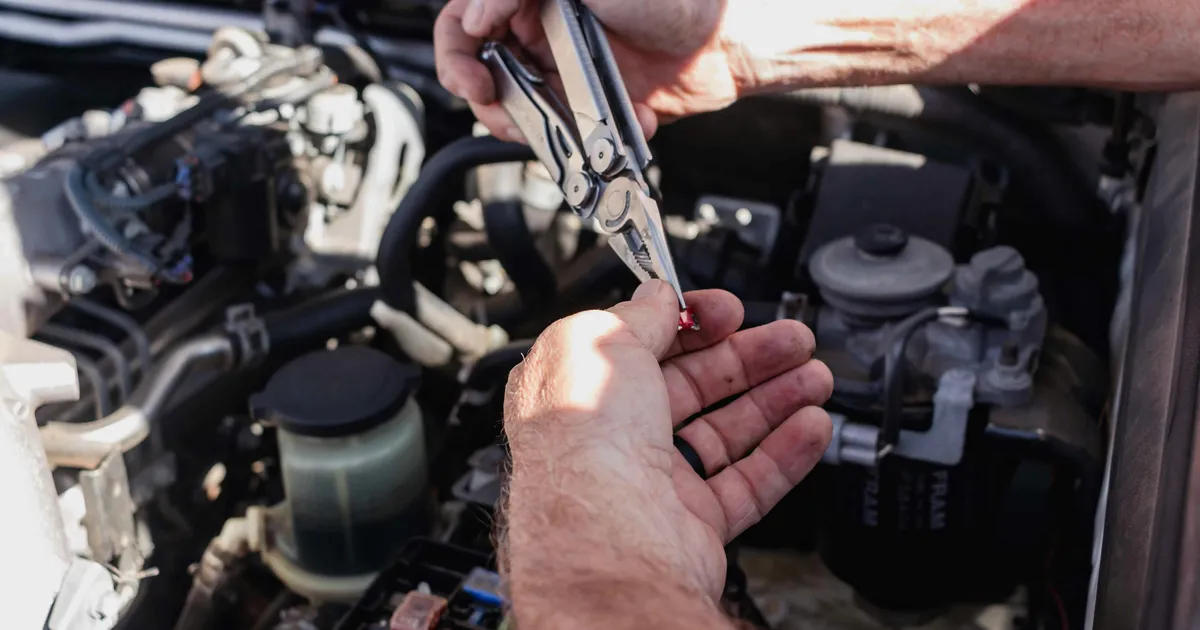
Did you know that neglecting routine car servicing can increase your annual vehicle running costs by up to 25%? This staggering figure underscores the critical importance of understanding car servicing intervals and cost optimization strategies. Far from being a mere expense, regular vehicle maintenance is a vital investment that safeguards your car’s longevity, performance, and ultimately, your wallet. This article delves deep into how you can effectively manage your car’s service schedule, make informed decisions, and implement smart strategies to significantly reduce your long-term car ownership costs without compromising safety or reliability. Prepare to transform your approach to vehicle care.
Quick Answer: Optimal car servicing intervals balance manufacturer recommendations with individual driving habits to prevent costly repairs and maintain performance. Cost optimization involves adhering to these tailored schedules, performing basic DIY checks, choosing reputable independent garages, and thoroughly understanding your vehicle’s warranty to ensure value and compliance.
Related Posts:
- Vehicle Overheating: Causes, Prevention, and How to Fix It
- EV Charging Trends: Evaluating Accessibility for an Inclusive Future
- Engine Oil Selection Standards 2026: The Modern Vehicle Guide
- Ultimate Car Battery Failure: Analysis & Replacement Guide
- Ultimate Guide to Vehicle Safety Accessories: Standards & Recommendations
Manufacturer Recommendations are Key
The foundation of any sound car servicing strategy lies in understanding your vehicle’s manufacturer recommendations. Every car comes with a service manual, often referred to as the owner’s handbook, which outlines specific intervals for various checks, fluid changes, and part replacements. These recommendations are meticulously developed by engineers who understand the intricate mechanics of your particular make and model, taking into account factors like engine design, material stress, and expected component lifespan. Adhering to these guidelines is not just about maintenance; it’s about preserving the integrity of your vehicle’s engineering.
Ignoring these factory-set intervals can lead to premature wear and tear, decreased fuel efficiency, and potentially expensive breakdowns. Furthermore, a consistent service history, meticulously documented according to manufacturer specifications, is often a prerequisite for maintaining your car’s warranty. For a vehicle purchased in 2026, for instance, a complete and verifiable service record will be crucial for any future warranty claims. Think of these recommendations as a blueprint for optimal car health, providing the essential framework upon which all other cost optimization strategies are built.
Driving Habits Dictate Your Schedule
While manufacturer recommendations provide a baseline, your personal driving habits play a significant role in determining the true optimal car servicing intervals. Do you primarily drive short distances in stop-and-go city traffic, or do you log countless miles on long highway journeys? Short trips, frequent idling, and driving in extreme temperatures (very hot or very cold) are considered “severe” conditions that can accelerate wear on components like oil, brakes, and tires. Conversely, consistent highway driving generally puts less stress on these systems, potentially allowing for slightly extended intervals, though caution is always advised.
Understanding how your driving style impacts your vehicle is crucial for tailored cost optimization strategies. For example, if you frequently tow heavy loads or drive on dusty, unpaved roads, your air filter might need replacement more often than suggested in the manual. Similarly, aggressive driving with hard acceleration and braking will wear out brake pads and tires much faster. Regularly assessing your driving patterns and adjusting your service schedule accordingly, perhaps by opting for more frequent oil changes under severe conditions, can prevent minor issues from escalating into major, costly repairs down the line.
Empower Yourself with DIY Checks
One of the most effective car servicing cost optimization strategies involves empowering yourself with basic DIY checks. Many common vehicle issues can be identified early, or even prevented, through simple, routine inspections that require no special tools or expertise. Checking your tire pressure, for example, takes only minutes but significantly impacts fuel efficiency and tire longevity, saving you money on both fronts. Regularly inspecting fluid levels – engine oil, coolant, brake fluid, and windshield washer fluid – can prevent serious engine damage or braking system failures.
Beyond fluids and tires, simple visual checks of your car’s lights, wipers, and belts can alert you to potential problems before they become critical. Learning to recognize unusual noises, smells, or dashboard warning lights is also invaluable. These preventative maintenance measures, even if they seem minor, contribute immensely to your vehicle’s overall health and can drastically reduce the frequency and cost of professional repairs. Think of it as being your car’s first line of defense, catching small issues before they snowball into expensive headaches.
Choosing the Right Service Provider
Selecting where to have your car serviced is a pivotal decision impacting both the quality of work and your cost optimization efforts. Many drivers automatically default to a dealership, especially during the warranty period, believing it’s their only option. While dealerships offer specialized knowledge of your specific make and model, and often use genuine OEM parts, they typically come with higher labor rates. Independent garages, on the other hand, can offer competitive pricing, personalized service, and often use high-quality aftermarket or OEM-equivalent parts, which can significantly reduce your service expenses.
When choosing a service provider, whether a dealership or an independent shop, always look for certified technicians (e.g., ASE certification in the US or similar national standards). Transparency in pricing, clear explanations of recommended services, and a willingness to show you the parts being replaced are hallmarks of a trustworthy garage. Don’t hesitate to get multiple quotes for significant repairs. A reputable shop will stand by its work with a warranty on parts and labor, providing peace of mind and further contributing to your long-term car service cost optimization strategies. You can find more general advice on choosing a mechanic from reputable consumer automotive sites like Consumer Reports or Edmunds. Consumer Reports offers excellent guidance on finding a good car repair shop.
The Warranty Conundrum
One of the most common concerns for car owners is whether using an independent garage or non-OEM parts will void their vehicle’s warranty. Fortunately, consumer protection laws in many regions, such as the Magnuson-Moss Warranty Act in the United States, generally prevent manufacturers from voiding your warranty simply because you had routine maintenance performed by an independent shop or used aftermarket parts, as long as those parts meet the manufacturer’s specifications and the service was performed correctly. The key is to ensure that any parts used are of equivalent quality and that services adhere to the manufacturer’s recommended schedule and procedures.
Always keep meticulous records of all services performed, regardless of where you get them done. This includes receipts detailing parts used, fluids changed, and the mileage at the time of service. These records serve as your proof of compliance should a warranty issue arise. Understanding your specific warranty terms and your rights as a consumer is crucial; a quick review of your warranty booklet or a call to the manufacturer can clarify any doubts, ensuring your cost-saving measures don’t inadvertently jeopardize your coverage.
Long-Term Savings & Resale Value
Viewing car servicing as an investment rather than a recurring expense is fundamental to truly embracing cost optimization strategies. A well-maintained vehicle operates more efficiently, consuming less fuel and emitting fewer pollutants, which directly translates to savings at the pump and a reduced environmental footprint. Furthermore, preventative maintenance dramatically reduces the likelihood of unexpected, major repairs that can be financially crippling. Imagine avoiding a complete engine overhaul in 2026 simply by consistently changing your oil and filters on time; the savings are substantial.
Beyond operational savings, a meticulously maintained vehicle with a full and verifiable service history commands a significantly higher resale value. When it comes time to sell or trade in your car, potential buyers are willing to pay a premium for a vehicle that has been cared for, as it signals reliability and fewer potential future problems. Documenting every oil change, tire rotation, and inspection creates a compelling narrative of responsible ownership, making your car a more attractive prospect in the used car market and putting more money back in your pocket.
Key Takeaways
- Adhere to manufacturer service intervals as a baseline, but tailor them to your specific driving conditions.
- Regular DIY checks of fluids, tires, and lights can prevent minor issues from becoming costly repairs.
- Choose reputable service providers, independent or dealership, based on certifications, transparency, and reviews.
- Maintain meticulous service records to protect your warranty and enhance your car’s resale value.
Frequently Asked Questions
How often should I service my car?
While manufacturer recommendations typically suggest servicing every 10,000 to 15,000 miles or once a year, whichever comes first, your specific driving habits (e.g., frequent short trips, heavy towing, extreme weather) may necessitate more frequent checks, particularly for oil changes and fluid top-ups.
Can I save money by skipping car services?
Skipping car services is a false economy. While it might save a small amount in the short term, it invariably leads to accelerated wear, decreased performance, reduced fuel efficiency, and significantly higher repair costs in the long run, often voiding warranties and compromising safety.
What’s the difference between minor and major car service?
A minor service typically includes an oil change, filter replacements (oil, air), and a general inspection of fluids, tires, and lights. A major service, performed less frequently, encompasses all minor service items plus more in-depth checks, spark plug replacement, brake fluid flush, and inspection of critical components like suspension and timing belts.
Does using non-dealer parts void my car’s warranty?
No, generally not. Consumer protection laws prevent car manufacturers from voiding your warranty if you use aftermarket parts or have service performed by an independent shop, provided the parts meet OEM specifications and the service is performed correctly. Always keep detailed records of all maintenance.
Conclusion
Mastering car servicing intervals and cost optimization strategies is about smart, proactive vehicle management, not just reactive repairs. By understanding your manufacturer’s guidelines, adjusting for your driving habits, performing basic DIY checks, and making informed choices about service providers, you can significantly reduce your car ownership costs. Embrace these strategies, and your vehicle will not only run more reliably and efficiently but will also retain its value for years to come. These final thoughts aim to empower you to drive smarter and save more, ensuring your automotive journey is both safe and economical.