

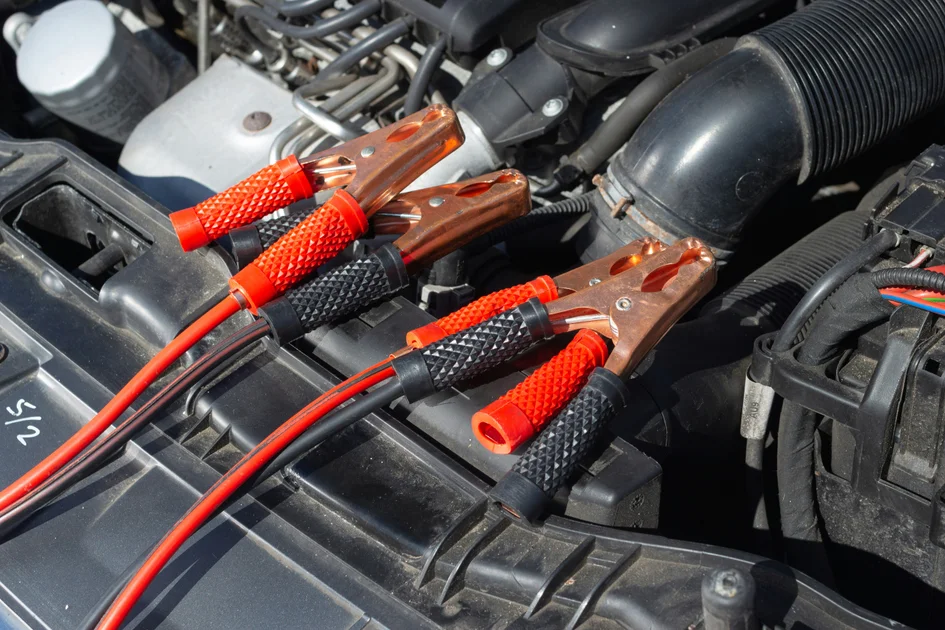
Mastering car battery maintenance tips to prevent unexpected failures is not merely a technical chore; it is an act of stewardship over the silent, chemical heart of our modern mobility. In this year of 2026, as our vehicles become increasingly integrated with sophisticated onboard diagnostics and energy-hungry digital ecosystems, the lead-acid or lithium-ion cell beneath the hood demands a new level of philosophical awareness. We often take for granted the violent, beautiful release of energy required to ignite an engine or power a high-voltage auxiliary system. By cultivating a routine of inspection and care, we transition from passive owners to active guardians of our machines, ensuring that the cold morning silence is never broken by the click-click-click of a dying promise. This is a journey into the mechanics of reliability and the quiet art of keeping the current flowing.
The Chemistry of Resilience

At its core, a battery is a vessel for potential energy, trapped in a delicate balance of electrolyte solutions and conductive plates. Understanding that this device operates through constant chemical flux allows us to appreciate why temperature extremes—the sweltering heat of a mid-summer commute or the biting frost of a winter dawn—are the primary antagonists of longevity. When we neglect to monitor our battery health, we are essentially ignoring the degradation of internal lead plates that grow increasingly brittle with every charge cycle. This process, known as sulfation, acts as a slow accumulation of entropy within the system.
- Car Financing Options Comparison: Interest Rates & Benefits Analysis
- Vehicle Inspection Checklist Before Long Distance Travel
- Ultimate Guide to Vehicle Safety Accessories: Standards & Recommendations
- Unveiling Tomorrow: Future Mobility Innovations & Smart Vehicle Technologies
- Warning Signs of Transmission Fluid Contamination After Deep Water Driving
To combat this, one must view maintenance as a rhythmic practice rather than a reactive fix. In 2026, smart charging technology has evolved to provide trickle-charge solutions that can desulfate plates, effectively reversing years of neglect. By maintaining a clean connection at the terminals, we minimize electrical resistance, which is the physical manifestation of friction in our electrical circuits. A clean terminal is a conduit for clarity, allowing the vehicle to draw exactly what it needs without the tax of corrosion. Embracing this level of detail transforms a mundane mechanical task into a meditative ritual of preservation.
Diagnostic Tools of the Modern Age
We live in an era where data is the new currency of automotive maintenance, and the modern driver has access to diagnostic tools that were once reserved for professional workshops. Utilizing a Bluetooth-enabled battery monitor allows you to track real-time voltage drops and cranking performance directly through your smartphone. This proactive surveillance is essential for identifying a failing cell long before it manifests as a total system failure. The philosophy here is simple: visibility leads to foresight, and foresight prevents the anxiety of being stranded in an unfamiliar place.
The Role of Voltage Monitoring
Voltage is the pressure behind the flow of electricity, and a healthy battery should consistently rest between 12.6 and 12.8 volts when the engine is idle. If you notice your resting voltage dipping below 12.2 volts, you are witnessing the early warning signs of a system struggling to maintain its equilibrium. These digital insights allow us to act with precision, ensuring that we replace or service components only when the data demands it, rather than adhering to rigid, arbitrary schedules that often ignore the actual state of the hardware.
Comparison Table / Specifications Table
| Feature | Lead-Acid (Flooded) | AGM (Absorbent Glass Mat) | Lithium-Ion (LiFePO4) |
|---|---|---|---|
| Lifespan (Years) | 3-5 Years | 5-7 Years | 8-12 Years |
| Deep Discharge Tolerance | Low | Moderate | Very High |
| Maintenance Need | Periodic Refilling | Maintenance Free | Maintenance Free |
| Weight | Heavy | Moderate | Lightweight |
| Cost Efficiency | Budget Friendly | Premium Performance | High Initial Cost |
| Operating Climate | Standard | Excellent Cold Crank | Extreme Versatility |
Pros and Cons Analysis
When considering the maintenance of your energy storage, one must weigh the convenience of modern technology against the inherent limitations of battery chemistry. The primary benefit of diligent maintenance is the extension of the battery’s service life, which reduces the environmental impact of frequent disposal and manufacturing. By cleaning terminals and ensuring a secure mount, you prevent the mechanical vibration that can cause internal plate fractures. This is an exercise in sustainability and fiscal responsibility that pays dividends in reliability.
Conversely, the drawback of intensive maintenance is the time and potential risk of exposure to caustic materials. Handling lead-acid batteries involves acidic electrolytes that can cause skin irritation or damage to vehicle finishes if not managed with care. Furthermore, some modern vehicles feature battery management systems that require specialized software resets whenever a battery is disconnected or replaced. This adds a layer of complexity that may deter the casual DIY enthusiast, necessitating a deeper investment in knowledge or a partnership with a trusted professional technician.
Environmental Factors and Impact
The environment in which you drive plays a decisive role in how your battery ages. In high-heat climates, the internal fluids evaporate more rapidly, accelerating the corrosion process and shortening the lifespan of the unit significantly. Conversely, extremely cold temperatures inhibit the chemical reaction necessary to produce the high current required for a cold start. We must acknowledge that our geography dictates the maintenance cycle; those living in harsh climates should inspect their connections and state of charge more frequently than those in temperate zones.
Furthermore, short-trip driving patterns are particularly harmful to battery health. When the engine runs for only a few minutes, the alternator does not have enough time to fully replenish the energy lost during the initial start, leading to a chronic undercharged state. By taking your vehicle for longer, sustained drives periodically, you allow the charging system to perform its duty effectively. This is a reminder that our driving habits are just as important as the hardware itself in determining the longevity of our components.
Frequently Asked Questions
How do I know if my battery is failing?
Common signs include a sluggish engine crank, flickering interior lights, or a dashboard warning indicator. If your vehicle struggles to start on cold mornings, it is likely the battery is losing its capacity.
Is it necessary to clean the battery terminals?
Yes, cleaning terminals prevents the buildup of oxidation, which creates electrical resistance. A simple mixture of baking soda and water, followed by a light scrubbing with a wire brush, is sufficient to maintain conductivity.
Can I extend my battery life with a charger?
Using a smart maintainer during periods of inactivity is an excellent way to prevent deep discharge. This keeps the battery in a healthy state of charge, which is crucial for preventing permanent internal sulfation.
What is the impact of a loose battery mount?
A loose battery is susceptible to excessive vibration, which can lead to internal shorts and physical damage to the casing. Always ensure the hold-down bracket is tightened to the manufacturer’s specifications.
Why does my new battery still die?
If a new battery fails, you may have a parasitic draw, which is a hidden electrical drain caused by aftermarket accessories or a faulty control module. A professional diagnostic test can isolate these invisible leaks.
Conclusion
In the final analysis, the pursuit of reliable transportation is a partnership between human vigilance and engineering precision. By adopting these car battery maintenance tips to prevent unexpected failures, we honor the intricate technology that powers our lives in 2026. Whether through the simple act of cleaning a terminal or the more sophisticated use of digital monitors, our attention serves to prolong the utility and safety of our vehicles. Let us move forward with the understanding that every small effort in maintenance is a victory against the inevitability of decay, keeping our journeys smooth and our paths clear of unnecessary interruptions.