

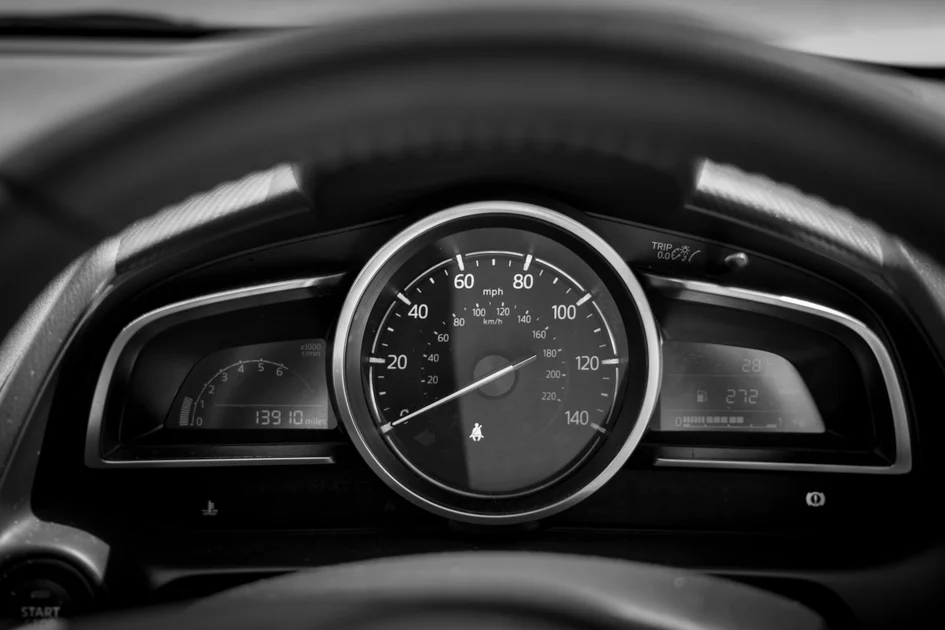
Learning how to maintain a high mileage vehicle efficiently is less about mechanical servitude and more about acknowledging the profound dialogue between human intent and machine endurance. As we navigate the realities of 2026, where the ephemeral nature of consumerism often dictates that we discard the old for the new, choosing to steward a well-traveled automobile becomes an act of philosophical defiance. A high-mileage vehicle is a repository of memories, a testament to miles traversed, and a complex system that, when treated with reverence and scientific precision, can outlast its projected lifespan by years. By shifting our perspective from viewing repairs as burdensome costs to recognizing them as vital investments in continuity, we transform the chore of maintenance into a meditative practice of preservation and reliable mobility.
The Philosophy of Preventive Care

Preventive maintenance is the cornerstone of longevity, functioning much like the pursuit of health in a living organism. In the context of 2026 automotive standards, waiting for a component to fail is a strategy of convenience, whereas preemptive intervention is a strategy of wisdom. By adhering strictly to the manufacturer’s maintenance schedule, you are essentially engaging in a preemptive strike against entropy. Fluids like engine oil, transmission fluid, and coolant are the lifeblood of the machine; their degradation over time is inevitable, but their timely replacement prevents the microscopic wear that eventually leads to catastrophic mechanical failure. This approach requires a disciplined schedule and the humility to listen to the subtle vibrations or auditory cues the car provides.
- Best Seasonal Car Maintenance Tips for Extreme Weather Conditions
- Smart HUD: Real-Time Tire Pressure Data for Enhanced Driving Safety
- The Ultimate Guide to Professional Car Detailing Tools & Equipment
- Unveiling Tomorrow: Future Mobility Innovations & Smart Vehicle Technologies
- EV Charging Trends: Evaluating Accessibility for an Inclusive Future
Furthermore, the integration of modern diagnostic tools allows the average owner to monitor the internal health of their engine with unprecedented clarity. OBD-II scanners have become indispensable, transforming ambiguous warning lights into actionable data points. Understanding the language of your vehicle’s sensors allows you to address minor glitches before they cascade into systemic issues. This level of engagement fosters a deeper connection with the hardware, turning the driver from a passive operator into an active steward. When you anticipate the needs of your machine, you mitigate the risks associated with aging components, ensuring that your vehicle remains a reliable companion rather than a source of mechanical anxiety.
Fluid Dynamics and Mechanical Longevity
The internal combustion engine, even in its most refined 2026 iterations, remains a theater of intense friction and heat. Managing this environment requires a sophisticated understanding of lubrication cycles. High-mileage vehicles often suffer from the accumulation of sludge and debris, which can impede the flow of oil to critical bearings and cylinders. Utilizing high-quality synthetic lubricants is not merely a preference; it is a necessity for reducing the coefficient of friction within the engine block. These oils are formulated to maintain viscosity across wider temperature ranges, protecting the engine during the critical moments of cold starts, which is precisely when most cumulative wear occurs.
The Importance of Transmission Health
While engine oil receives the most attention, the transmission is frequently the silent victim of neglect in high-mileage vehicles. Transmission fluid facilitates the complex dance of planetary gears and hydraulic valves, and its thermal breakdown is a primary cause of shifting irregularities. In 2026, advancements in transmission fluid technology have extended service intervals, yet the “lifetime fluid” marketing myth remains a dangerous fallacy. Proactive fluid exchanges—often every 50,000 to 60,000 miles—can extend the operational life of a gearbox by decades. By prioritizing these often-overlooked systems, you preserve the torque delivery and fuel efficiency that defined the vehicle’s performance when it was brand new.
Comparison Table / Specifications Table
| Feature | Standard Maintenance | Preventive Strategy | Impact on Longevity |
|---|---|---|---|
| Oil Change Cycle | Every 10k Miles | Every 5k-7k Miles | Reduces Sludge Build-up |
| Coolant System | When Light Appears | Flush Every 3 Years | Prevents Corrosion |
| Transmission Fluid | Lifetime (Ignore) | Drain/Fill 60k Miles | Prevents Gear Slip |
| Air Filters | Replace Yearly | Inspect Quarterly | Improves Combustion |
| Brake Fluid | As Needed | Flush Every 2 Years | Prevents Line Rust |
| Diagnostic Scans | Only at Mechanic | Monthly DIY Check | Catches Issues Early |
Pros and Cons Analysis
Maintaining a high mileage vehicle is a path of deliberate choice. The primary benefit is financial sustainability; avoiding monthly car payments allows capital to be redirected toward other life goals. Additionally, there is an environmental argument to be made: the carbon footprint of manufacturing a new vehicle is immense, and keeping an existing car on the road for an additional decade is one of the most effective ways to reduce one’s individual impact on the planet. From an emotional standpoint, the vehicle becomes a trusted artifact, a reliable partner that has proven its worth through countless journeys and changing seasons.
Conversely, the drawbacks involve the unpredictability of older components. Rubber hoses, plastic connectors, and electrical sensors eventually lose their elasticity and conductivity, regardless of how meticulously they are maintained. This necessitates a “repair fund” mindset, where money saved on car payments is set aside for the inevitable component replacement. Furthermore, the time commitment required for deep inspections and DIY repairs can be significant. One must weigh the convenience of a modern, warranty-backed vehicle against the satisfaction and economic prudence of mastering the maintenance of a high-mileage machine that has served faithfully over the years.
The Suspension and Chassis Connection
A vehicle is more than just its engine; it is a holistic architecture of suspension geometry, bushings, and dampers. In high-mileage cars, these components often settle into a state of degraded performance that the driver grows accustomed to, failing to notice the gradual loss of handling precision. Worn struts and ball joints do more than create a harsh ride; they place undue stress on tires and steering racks, accelerating wear across the entire chassis. Investing in quality suspension components restores the factory-intended driving dynamics and ensures that the vehicle remains safe in emergency maneuvering scenarios.
By regularly inspecting the undercarriage for rust and checking for play in the steering linkages, you maintain the structural integrity of the car. Many enthusiasts find that replacing worn-out rubber bushings with polyurethane alternatives can actually improve the car’s responsiveness beyond its original specification. This process of renewal is invigorating, as it allows the vehicle to feel taut and composed despite its age. It is a reminder that maintenance is not just about keeping a machine running; it is about keeping the machine performing at its peak, respecting the original engineering intent while adapting to the realities of long-term usage.
Tires and the Interface of Reality
Your tires represent the only contact point between your vehicle and the physical world. In 2026, tire technology has reached a zenith of efficiency, with rolling resistance and wet-weather traction being optimized to a degree previously unimaginable. A high-mileage vehicle with high-quality, properly inflated tires will feel more stable and fuel-efficient than a newer car equipped with budget rubber. Tire pressure monitoring systems are standard, yet they should be treated as a secondary check; a manual gauge remains the gold standard for precision. Consistent rotation and alignment are essential, as they distribute wear evenly across the tread, preventing the irregular patterns that lead to premature replacement.
Beyond the functional aspects, tires dictate the safety profile of the vehicle. As rubber ages, even with significant tread depth remaining, the compound can harden and lose its grip. Replacing tires based on age—typically every six years—is a critical safety protocol that many drivers overlook. By treating your tires as a vital safety system rather than an afterthought, you ensure that the power generated by your well-maintained engine is effectively transferred to the road. This synergy between engine efficiency and chassis grip defines the true experience of long-term vehicle ownership, creating a driving experience that is as safe as it is economical.
Key Takeaways
- Prioritize early intervention by following a strict preventive maintenance schedule.
- Utilize modern diagnostic tools to monitor internal systems in real-time.
- Never neglect transmission and cooling system fluids, regardless of marketing claims.
- Inspect the suspension and chassis regularly to ensure safety and handling precision.
- Replace tires based on age and tread condition to maintain optimal road contact.
- Maintain a dedicated repair fund to handle inevitable component wear with grace.
Frequently Asked Questions
Is high mileage really a death sentence for modern cars?
Not at all. With the advanced metallurgy and synthetic lubricants available in 2026, vehicles are routinely reaching 200,000 to 300,000 miles when maintained with care and consistent attention to detail.
How often should I use a diagnostic scanner?
Even if no lights are illuminated on your dashboard, performing a scan once a month can help you identify “pending codes” that indicate minor issues before they evolve into major mechanical failures.
Should I switch to synthetic oil for an older engine?
Yes, provided the engine is in good condition. Synthetic oils provide superior thermal stability and cleaning properties, which are essential for keeping high-mileage engines free of sludge and internal friction.
Is it worth replacing suspension parts on an old car?
Absolutely. Replacing worn struts and bushings can transform the ride quality and safety of an older vehicle, often making it feel significantly newer and more predictable during daily driving.
Why do tires expire if they still have tread?
Rubber compounds undergo a chemical process called oxidation. Over time, the tire becomes brittle and loses its flexibility, drastically reducing traction and increasing the risk of blowouts, regardless of the physical tread depth.
Conclusion
Maintaining a high-mileage vehicle in 2026 is an exercise in mindfulness and technical stewardship. By choosing to nurture our machines rather than replacing them, we honor the engineering that brought them into existence while practicing a sustainable philosophy of consumption. Every oil change, every suspension check, and every tire rotation serves as a quiet affirmation of the value of long-term reliability. May your journey be marked not just by the distance covered, but by the integrity of the machine that carries you, reflecting a commitment to excellence that persists long after the odometer has passed its original projections.