

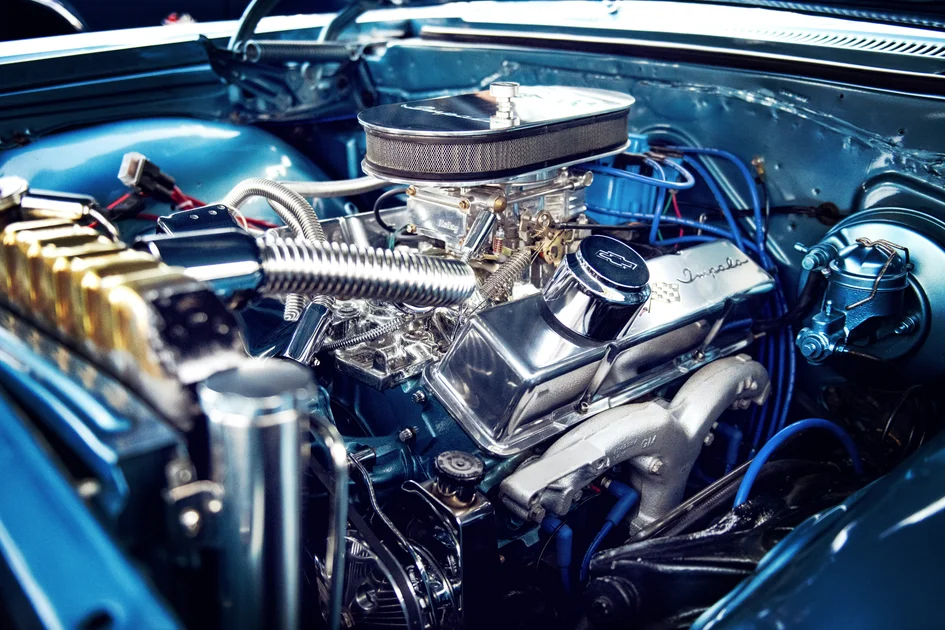
To extend vehicle engine life with proper maintenance is to engage in a silent dialogue with the machinery that bridges the gap between our physical presence and our distant destinations. In this year of 2026, where automotive complexity has reached a zenith, the engine remains the beating heart of our mobility, a crucible of thermal dynamics and kinetic energy that demands our respect. We often view our cars as ephemeral tools, yet they are complex symphonies of metal and fluid that reflect the care we invest in them. By shifting our perspective from viewing maintenance as a chore to seeing it as a ritual of preservation, we can transcend the cycle of obsolescence and ensure that our machines endure the rigors of time and terrain with grace and mechanical integrity.
The Philosophy of Fluid Dynamics

The lifeblood of any internal combustion engine is its oil, a substance that serves as both a lubricant and a cleanser in the high-heat environment of the cylinder block. As we navigate the technological landscape of 2026, synthetic lubricants have evolved to provide unprecedented protection against friction and thermal degradation. Choosing to adhere strictly to your manufacturer’s viscosity recommendations is not merely following a manual, but rather respecting the specific tolerances engineered into your vehicle. When oil circulates, it gathers microscopic contaminants and metal shavings, carrying them away from precision surfaces to be trapped by the filter, effectively cleansing the engine from within during every mile traveled.
- Elevate Your Drive: Car Interior Upgrade Accessories for Performance & Comfort
- The Essential Guide to Automotive Maintenance for Maximum Durability
- How to Improve Fuel Efficiency Through Regular Vehicle Maintenance
- How to Maintain a High Mileage Vehicle Efficiently
- DIY Car Maintenance Tasks Every Beginner Can Safely Perform
Neglecting this fundamental cycle leads to the accumulation of sludge, a viscous enemy that chokes oil passages and accelerates the wear of critical components. It is a subtle erosion of potential, where the engine’s efficiency wanes long before the driver notices a drop in performance. By committing to regular changes, you are essentially resetting the internal clock of your engine, allowing it to operate under conditions that mimic its factory-fresh state. Whether you utilize traditional full-synthetic oils or the latest bio-based alternatives gaining traction this year, consistency remains the single most impactful variable in the longevity equation of your automobile.
Thermal Management and Cooling
An engine is, at its core, a heat-transformation machine that must constantly balance the intensity of combustion with the necessity of cooling. The cooling system acts as the mediator, circulating coolant through a labyrinth of passages to prevent catastrophic thermal expansion. When we allow coolant to age, it becomes acidic, eating away at gaskets and aluminum components from the inside out. Maintaining this system involves more than just topping off the reservoir; it requires a proactive approach to flushing the radiator and inspecting hoses for signs of fatigue or brittleness, ensuring the engine never approaches its breaking point.
The Role of Thermostat Integrity
The thermostat is a humble yet vital gatekeeper of engine temperature, regulating the flow of fluid based on the thermal needs of the block. If this component fails in the closed position, the engine faces immediate overheating, which can warp cylinder heads and destroy seals in mere minutes. Regularly testing or replacing this inexpensive part during major service intervals is a hallmark of a thoughtful owner who understands that small, preventative actions avert existential failures. By keeping the operating temperature within the optimal window, you maximize fuel efficiency and minimize the carbon deposits that plague poorly regulated engines.
Pros and Cons Analysis
Engaging in a rigorous maintenance schedule is a conscious decision to value longevity over short-term convenience, a choice that presents a distinct set of trade-offs. The benefits of consistent care are quantifiable in both reliability and resale value, yet the process requires a commitment of time and resources that some may find burdensome. Below is an evaluation of the dynamics involved in long-term vehicle stewardship.
| Aspect | Pros | Cons |
|---|---|---|
| Scheduled Service | Extended engine lifespan and reliability. | Requires time and recurring financial outlay. |
| Preventative Repairs | Avoids catastrophic road-side failures. | May replace parts before absolute failure. |
| Fluid Quality | Reduces internal friction and wear. | High-grade synthetics are more expensive. |
| Professional Inspection | Expert eyes detect hidden issues early. | Labor costs can be significant. |
Ultimately, the pros heavily outweigh the cons for those who intend to keep their vehicles for the long haul. While the initial investment in premium fluids and timely maintenance may feel like an added tax on ownership, it functions as an insurance policy against the much higher cost of an engine rebuild. The peace of mind derived from a vehicle that starts reliably every morning is a quality-of-life improvement that transcends simple financial metrics.
Cost and Pricing Breakdown
Budgeting for the health of your vehicle is a necessary discipline, as the costs of maintenance are significantly lower than the costs of neglect. By categorizing your expenditures into routine, preventative, and restorative, you can better manage your automotive assets throughout the year. The following tiers provide an estimation of annual maintenance costs for a modern 2026 passenger vehicle in good condition.
- Routine Oil and Filter Service: $80 – $150 per visit, occurring every 5,000 to 7,500 miles.
- Cooling and Fluid System Flush: $150 – $300, recommended every 30,000 to 50,000 miles.
- Air and Cabin Filter Replacement: $40 – $80, performed annually or as needed.
- Spark Plug and Ignition Service: $200 – $500, typically required every 60,000 to 100,000 miles.
- Comprehensive Diagnostic Check: $100 – $200, performed once per year for preventative peace of mind.
These figures demonstrate that maintaining an engine is a manageable expense when spread across the calendar. By setting aside a small monthly fund, you remove the sting of unexpected repair bills and ensure that your vehicle remains a reliable partner in your daily life. Remember that authoritative resources like the Society of Automotive Engineers often provide data confirming that consistent, minor expenditures drastically reduce the frequency of major, high-cost repairs over the total life of the vehicle.
The Air Intake and Combustion
An engine is an organ that must breathe, and the quality of the air it consumes is just as critical as the fuel it burns. The intake system, equipped with advanced sensors and filtration, ensures that combustion is clean and efficient. A clogged air filter acts as a restriction, forcing the engine to work harder to pull in the oxygen required for the explosion of fuel. This strain manifests as poor throttle response and increased emissions, signaling a decline in the engine’s health. Checking your air intake system is a simple act of mindfulness that keeps your engine’s respiratory function operating at peak efficiency.
Beyond the filter, the combustion chamber itself benefits from high-quality fuel and the occasional use of fuel system cleaners. In 2026, modern direct-injection systems are particularly sensitive to carbon buildup on intake valves, which can lead to misfires and loss of power. By using top-tier gasoline and adhering to manufacturer-recommended service intervals for fuel system cleaning, you protect the intricate geometry of the engine internals. This focus on the “breath” of the engine ensures that every drop of fuel is translated into purposeful movement rather than wasted energy and internal deposits.
Driving Habits and Mechanical Longevity
How we operate our vehicles is the final piece of the maintenance puzzle, as driving style directly impacts the mechanical stress placed on the powertrain. Rapid acceleration and high-speed maneuvers before the engine has reached its operating temperature are the primary causes of premature wear. The metal components within your engine require time to expand and distribute oil evenly; rushing this process is a form of mechanical violence that accumulates over time. Practicing gentle driving during the first few miles of your journey allows the internal parts to harmonize, fostering a longer, healthier life for your engine.
Furthermore, avoiding excessive idling is a practice that aligns with both environmental consciousness and engine preservation. Idling prevents the engine from reaching ideal operating temperatures and can lead to incomplete combustion, which deposits soot into the oil and on spark plugs. If you are waiting for an extended period, it is often more beneficial to shut the engine down rather than letting it run in a stagnant state. By adopting a driving style that respects the machine’s requirements, you become an active participant in the preservation of your engine, ensuring it serves you for years to come.
Key Takeaways
- Prioritize consistent oil changes using high-quality synthetic lubricants to reduce internal friction.
- Monitor the cooling system regularly to prevent heat-related damage to seals and gaskets.
- Understand that the thermostat is a critical component for maintaining optimal operating temperature.
- Replace air filters and fuel system components on schedule to support efficient combustion.
- Adopt a gentle driving style during the engine warm-up period to prevent premature wear.
- Maintain a dedicated maintenance fund to ensure that repairs are never deferred due to cost.
Frequently Asked Questions
Is it better to change oil by mileage or time?
In 2026, it is best to follow the manufacturer’s recommendation, which usually includes both. Even if you do not hit the mileage threshold, oil degrades over time due to oxidation and moisture accumulation, so annual changes are advised.
Do I really need premium synthetic oil?
Yes, for modern engines, high-grade synthetic oil is essential. It provides better thermal stability and cleaner operation than conventional mineral oils, which is vital for the tight tolerances of modern engineering.
Can I perform my own maintenance?
Certainly, provided you have the tools and expertise. However, keeping records of your work is crucial for warranty purposes and for proving the vehicle’s history to future buyers.
What are the signs of a failing cooling system?
Common signs include fluctuating temperature gauges, sweet-smelling exhaust, visible coolant leaks under the car, or the engine overheating during idle or heavy traffic conditions.
How does driving style affect engine life?
Aggressive driving puts significant stress on engine bearings and increases thermal loads. Consistent, smooth driving habits allow the engine to maintain consistent lubrication and temperature, drastically reducing wear.
Conclusion
To extend vehicle engine life with proper maintenance is an act of deep stewardship, a recognition that the objects we rely on are worthy of our care and attention. By integrating these practices into your life, you are not just maintaining a car; you are preserving a sophisticated piece of engineering designed to carry you through the world. As we move through 2026, let us treat our engines with the diligence they deserve, ensuring that every mile driven is one of reliability and confidence. Your commitment to these rituals will be rewarded with a machine that remains a faithful companion on the road ahead.