


Recognizing the signs your car needs immediate professional maintenance service is akin to interpreting the subtle signals of one’s own body. In 2026, our vehicles have evolved into complex, sentient-like ecosystems of sensors and silicon, yet they remain tethered to the physical laws of friction, heat, and wear. Much like a philosopher observing the entropy of the universe, a mindful driver must acknowledge that a machine is never static; it is always in a state of becoming or a state of decay. When your dashboard flickers or an unfamiliar shudder resonates through the chassis, it is not merely a mechanical hiccup but a profound communication from the machine, urging you to address its finite nature before the inevitable entropy of neglect leads to a total systemic cessation.
The Language of Warning Lights
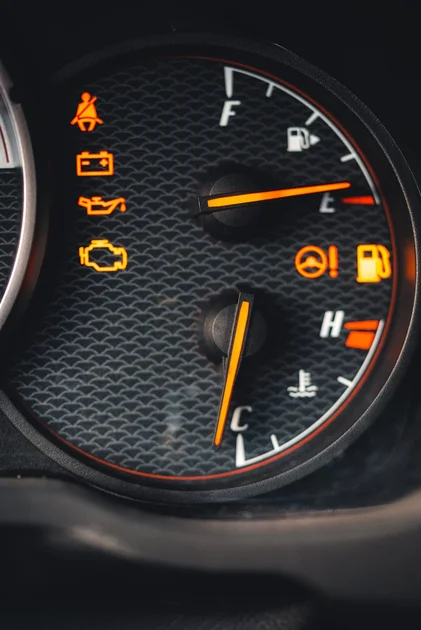
The modern dashboard is a theater of semiotics, where glowing icons serve as the primary interface between human intent and mechanical reality. While many drivers treat the “Check Engine” light as a suggestion rather than a mandate, the 2026 automotive landscape demands a more reverent approach to these digital warnings. When a light persists, it is the car’s way of expressing a dissonance between its programmed parameters and its current performance. Ignoring this flickering red or amber signal is a rejection of the vehicle’s own internal logic, often masking an issue that could escalate from a simple sensor calibration to a catastrophic engine failure if left unaddressed.
- How to Extend Vehicle Engine Life with Proper Maintenance
- How to Detect Hidden Structural Rust Under Rubberized Undercoating When Buying Used
- Car Battery Maintenance Tips to Prevent Unexpected Failures
- Electric vs. Hybrid: Which Saves You More Long-Term?
- Warning Signs of Transmission Fluid Contamination After Deep Water Driving
Understanding these signals requires a departure from the “wait and see” philosophy that often plagues modern maintenance cycles. Professional technicians utilize advanced diagnostic tools that translate these cryptic icons into actionable data points, pinpointing the exact origin of the malfunction. In our fast-paced society, we often view a service appointment as an inconvenience, yet we must reframe it as a necessary moment of stillness and restoration. By honoring the warning light early, you move from a reactive posture of crisis management to a proactive state of stewardship, ensuring that your vehicle continues to serve you reliably throughout the year.
Auditory Clues and Mechanical Discord
Sound is the primary medium through which a machine confesses its hidden ailments. A healthy engine hums with the rhythmic predictability of a heartbeat, while a failing one speaks in the harsh, discordant language of metal grinding against metal. When you hear a screeching sound during braking, a rhythmic thumping from the tires, or a metallic clatter within the engine bay, you are witnessing the physical manifestation of friction overcoming lubrication. These auditory intrusions are not merely annoyances; they are the desperate cries of components operating outside their intended design, begging for the intervention of a skilled mechanic to restore harmony.
In 2026, the rise of electric and hybrid drivetrains has changed the acoustic profile of our roads, making the detection of these anomalies even more critical. Because electric motors are inherently quieter, subtle vibrations or high-pitched whines that might have been masked by the roar of a traditional combustion engine are now unmistakable markers of distress. Ignoring these sounds is a form of mechanical negligence that accelerates wear and erodes the long-term value of your investment. Listen deeply to your vehicle, for it is constantly providing a narrative of its internal condition, and your response to these sounds dictates the longevity of your mechanical companion.
The Physics of Fluid Leaks
If the engine is the heart of your vehicle, its fluids are the lifeblood that sustains every vital function. Observing a puddle on your driveway is perhaps the most visceral warning that your car requires immediate professional maintenance service. Whether it is the dark, viscous stain of engine oil, the vibrant neon hue of coolant, or the thin, reddish film of transmission fluid, these secretions are symptomatic of a breach in the vehicle’s integrity. Just as a physician examines the vital fluids of a patient to diagnose an illness, a technician must trace the source of a leak to prevent the catastrophic loss of pressure or thermal regulation.
It is a common error to believe that a small drip is benign, yet fluid systems are designed to be closed loops. Any escape of fluid signifies a compromise in hoses, seals, or gaskets that have succumbed to the relentless pressure of operation. To ignore these stains is to invite the slow, silent death of critical components through overheating or starvation of lubrication. By proactively identifying these leaks, you exercise a form of mechanical foresight, preventing the more expensive and complex repairs that inevitably follow when a system runs dry. Treat every spill as an urgent call for professional rectification.
Performance and Handling Deficits
A vehicle should feel like an extension of the driver’s will, responding with precision to every input on the steering wheel and pedal. When that connection weakens—manifesting as sluggish acceleration, a soft or spongy brake pedal, or a vehicle that pulls stubbornly to one side—the mechanical symbiosis is broken. These deficits in performance are often subtle at first, creeping into the driving experience so gradually that the driver adjusts their behavior to compensate. However, this adaptation is a dangerous game, as it masks the underlying degradation of suspension geometry, braking efficacy, or fuel delivery systems that demand professional realignment.
The Philosophy of Suspension Integrity
The suspension system is the bridge between the chaotic terrain of the road and the serenity of the cabin. When this bridge weakens, every pothole and transition becomes a jarring reminder of the vehicle’s fragility. A car that wallows in turns or bounces excessively after a bump is a car that has lost its grip on reality, quite literally. This loss of composure is a significant safety risk that compromises your ability to handle emergencies. In 2026, road infrastructure remains a variable challenge, and ensuring your suspension is in peak condition is the ultimate act of self-preservation, ensuring that your vehicle remains a stable, predictable partner on the asphalt.
Reddit & Expert Community Consensus
The collective wisdom of the digital age often provides the most grounded perspectives on vehicle maintenance. Across various automotive forums, the consensus is clear: waiting for a total failure is the most expensive path you can take. Experienced technicians often emphasize that preventative care is a form of compounding interest for your car’s lifespan.
“Most major repairs I see in my shop started as a minor sound or a ‘drip’ that the owner ignored for three months. By the time they bring it in, what would have been a fifty-dollar seal replacement has turned into a three-thousand-dollar engine rebuild. Listen to your car, folks; it’s talking to you long before it breaks down.” — Top-rated contributor on r/MechanicAdvice, 2026.
This sentiment echoes across the expert community, where the recurring advice is to establish a relationship with a trusted local shop rather than seeking help only during an emergency. The experts suggest that an ongoing, professional eye on your vehicle allows for the identification of patterns that a one-off visit would miss. By engaging with this community, you tap into a global reservoir of shared experience, reinforcing the importance of proactive, rather than reactive, mechanical stewardship.
Pros and Cons Analysis
Deciding when to seek professional maintenance involves a careful balancing of resources, time, and the pursuit of mechanical longevity. Below is a breakdown of the considerations for those navigating the complexities of vehicle ownership in 2026.
| Aspect | Proactive Professional Maintenance | Reactive “Wait-and-Fix” Approach |
|---|---|---|
| Cost Efficiency | Prevents expensive catastrophic failure. | High emergency repair bills. |
| Safety | Ensures optimal handling and braking. | Significant risk of mid-journey breakdown. |
| Vehicle Lifespan | Maximizes longevity and resale value. | Accelerated wear and loss of value. |
| Time Investment | Scheduled, predictable service intervals. | Unplanned downtime and stress. |
| Peace of Mind | Full confidence in vehicle reliability. | Constant anxiety regarding failure. |
Choosing the path of proactive maintenance is an investment in your autonomy. While the upfront cost of routine service can feel like a burden, it pales in comparison to the hidden costs of neglect. Conversely, the reactive approach offers the illusion of savings but inevitably results in higher long-term expenditure and a compromised safety profile. For those who view their vehicle as a vital tool for their livelihood, the choice is clear: prioritize the health of the machine to ensure it continues to serve your goals effectively.
Key Takeaways
- Monitor your dashboard for any persistent icons, as they are the primary communication channel for your vehicle’s health.
- Never ignore strange noises; they are the most immediate indicators of friction and mechanical discord.
- Treat fluid leaks as urgent warnings, as they represent a breach in the closed-loop systems that keep your car running.
- Acknowledge changes in performance or handling, as these often point to subtle issues with suspension or braking systems.
- Prioritize preventative professional maintenance to avoid the high costs and safety risks associated with total mechanical failure.
- Maintain a consistent relationship with a professional service center to ensure long-term, reliable stewardship of your vehicle.
Frequently Asked Questions
How often should I have my car professionally inspected?
While standard oil changes serve as a baseline, a comprehensive professional inspection is recommended at least every 10,000 miles or annually, whichever comes first, to identify wear before it becomes a failure.
Can I ignore a check engine light if the car feels fine?
Absolutely not. The light indicates that the onboard computer has detected a fault in a sensor or system that is essential for efficiency and safety; ignoring it often leads to secondary damage to expensive components like the catalytic converter.
What is the most common cause of premature vehicle failure?
The most common cause is the neglect of basic, routine maintenance, specifically the failure to change fluids and filters on time, which leads to internal sludge buildup and excessive heat-related wear.
Is it worth fixing an old car, or should I replace it?
If the cost of the repair is less than half the current market value of the vehicle and the engine/transmission are sound, it is almost always more economical to repair the car than to take on a new vehicle loan.
How do I find a trustworthy mechanic?
Look for shops that are ASE-certified, possess high ratings on independent review sites, and are willing to provide a transparent explanation—and show you the physical evidence—of the parts that need replacement.
Conclusion
In the grand tapestry of our daily existence, the vehicle remains an essential thread, connecting our intentions to our destinations. To ignore the signs your car needs immediate professional maintenance service is to disregard the mechanical trust that makes modern mobility possible. By listening to the warnings of your dashboard, the whispers of the engine, and the physical reality of your car’s performance, you honor the complexity of the machine. Embrace the responsibility of stewardship in 2026, and you will find that a well-maintained vehicle is not just a tool, but a reliable partner in your journey through life.