

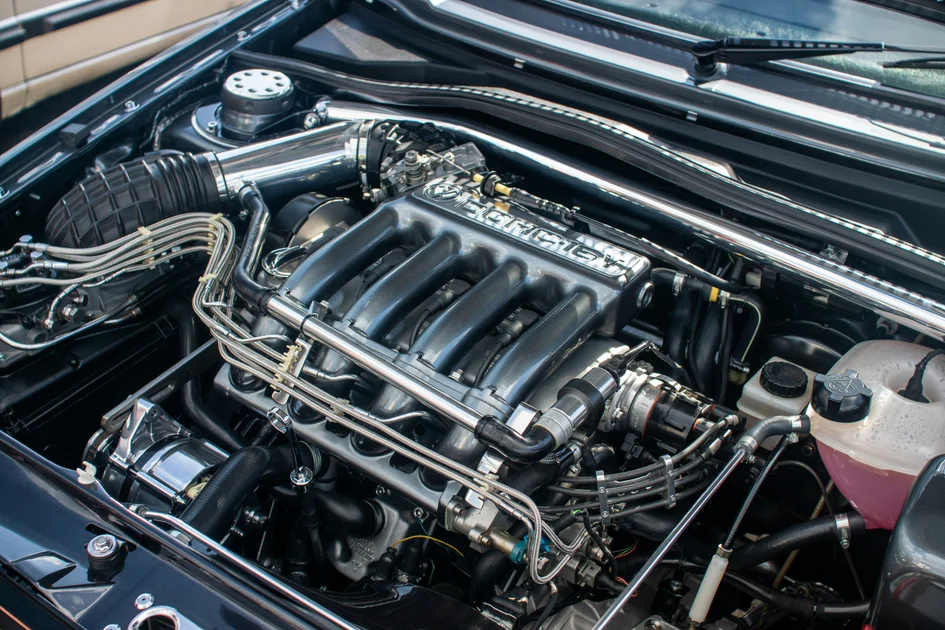
Determining how often should you change engine oil for best performance is a philosophical inquiry into the balance between mechanical longevity and the realities of modern automotive engineering. In 2026, the relationship between a driver and their machine has evolved, shifting from rigid mileage markers to a nuanced understanding of synthetic lubrication and sensor-driven diagnostics. We often view the internal combustion engine as a static object, yet it is a living system of friction, thermal expansion, and chemical degradation. By prioritizing the health of your engine’s lifeblood, you are not merely performing maintenance; you are engaging in a ritual of preservation that ensures your vehicle remains a reliable partner in an increasingly complex world of mobility.
The Evolution of Synthetic Lubrication
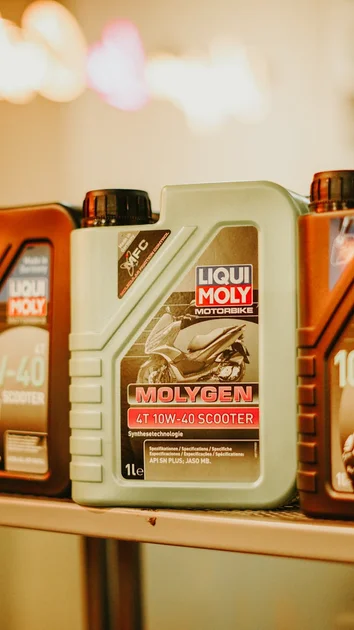
In the early days of motoring, the three-thousand-mile oil change was an unquestioned gospel, a rhythmic necessity born of crude mineral oils and loose engine tolerances. Today, as we navigate the technological landscape of 2026, the widespread adoption of full synthetic oils has fundamentally altered this paradigm. These laboratory-engineered fluids possess superior thermal stability, resisting the breakdown that once plagued their predecessors. Modern engines, constructed with microscopic precision, demand less frequent intervention to maintain peak performance, allowing the conscious driver to extend intervals without compromising the structural integrity of internal components.
- Car Servicing Intervals: Unlock Cost Optimization Strategies
- How to Detect Hidden Structural Rust Under Rubberized Undercoating When Buying Used
- Transmission Maintenance Tips for Smooth Vehicle Performance
- Complete Tire Maintenance Guide for Better Road Safety
- How to Diagnose Intermittent Engine Misfire Without Triggering a Check Engine Light
However, the shift toward longer intervals brings a philosophical tension between efficiency and risk aversion. While manufacturers might suggest intervals reaching fifteen thousand miles, the discerning enthusiast recognizes that environmental variables—such as stop-and-go urban traffic, extreme temperature fluctuations, and short-trip cycles—can prematurely degrade even the finest synthetic lubricants. Understanding your specific driving environment is the key to mastering the longevity of your engine. By monitoring how your vehicle actually experiences the road, rather than relying solely on a generic manual, you cultivate a deeper awareness of the mechanical life flowing beneath your feet.
Reddit and Expert Community Consensus
The sentiment across professional automotive forums in 2026 remains remarkably consistent: Follow the oil life monitor, but never exceed one year or ten thousand miles. As one veteran mechanic noted on a major industry subreddit, “The oil life monitor is not a suggestion; it is a sophisticated algorithm that accounts for engine load, temperature, and idle time. If you use high-quality synthetic oil and a premium filter, you are doing more harm than good by changing it too frequently, as you are simply introducing more human error into the process.”
This consensus highlights a pivotal realization: the modern vehicle is far more perceptive than the human operator. Experts argue that the obsession with frequent oil changes often stems from a misplaced nostalgia for an era of inferior chemistry. By trusting the data-driven systems embedded within your car, you align yourself with the reality of modern engineering. The consensus is clear: prioritize quality over frequency, and let the vehicle’s diagnostic intelligence guide your maintenance schedule to ensure optimal health throughout the decade.
Pros and Cons Analysis
Deciding on the frequency of your oil changes involves weighing the long-term health of your engine against the immediate costs of maintenance. The following table provides a clear look at how your choice impacts the vehicle’s lifespan and your wallet.
| Strategy | Benefits | Drawbacks |
|---|---|---|
| Conservative (5k miles) | Maximum protection, peace of mind | Higher cost, environmental waste |
| Manufacturer (10k+ miles) | Cost-efficient, less downtime | Risk if driving conditions are harsh |
| Sensor-Based (Variable) | Precision timing, optimal performance | Requires consistent monitoring |
Adopting a conservative strategy provides a safety buffer, particularly for high-performance vehicles or those operated in harsh climates. Conversely, adhering strictly to long-interval recommendations can be highly efficient but leaves little room for error if the vehicle is subjected to extreme stress. The choice ultimately depends on your intent: is the vehicle a temporary utility or a long-term investment meant to last well beyond the typical ownership cycle? Balancing these factors is the mark of an informed owner who understands that maintenance is an investment in future reliability.
The Role of Driving Habits
Understanding the Impact of Short Trips
Short-distance driving is perhaps the greatest enemy of engine longevity, a reality often overlooked in 2026. When an engine does not reach its full operating temperature, moisture and unburnt fuel accumulate in the oil, leading to sludge formation and accelerated corrosion. If your daily commute consists of brief excursions, your engine is working much harder than the odometer suggests. In this context, the standard interval becomes irrelevant, and a more frequent schedule is not just a preference, but a mechanical necessity to preserve the internal seals and bearings.
Conversely, those who frequently engage in long-distance highway travel allow their engines to achieve and maintain optimal thermal states, which effectively boils off contaminants. For these drivers, the factory-recommended intervals are often perfectly safe, if not conservative. The philosophy of maintenance here is simple: if you punish your engine with short, cold cycles, you must reward it with more frequent care. If you treat it to steady, efficient operation, the engine will reward you with a longer, more productive life, requiring less intervention than most drivers realize.
Diagnostic Tools and Monitoring
Modern vehicles in 2026 are equipped with sophisticated Oil Life Monitoring (OLM) systems that analyze engine data in real-time. These systems track engine revolutions, cold starts, and heat cycles to provide a precise assessment of oil degradation. Ignoring these indicators in favor of an arbitrary mileage sticker is a relic of the past that ignores the actual work your engine has performed. Embracing these systems allows you to move away from guesswork and into the realm of evidence-based maintenance, ensuring that your oil is changed only when it is truly required.
However, technology is not infallible. It is essential to supplement digital diagnostics with physical inspection. Regularly checking the oil level and color on the dipstick remains a fundamental habit for any responsible car owner. A quick glance can reveal signs of coolant contamination, excessive carbon buildup, or unexpected consumption that a sensor might not detect until it is too late. By combining the digital precision of modern diagnostics with the tactile intimacy of manual inspection, you create a comprehensive safety net that guarantees your vehicle remains in peak performance throughout its life.
Key Takeaways
- Utilize high-quality synthetic oils designed for modern engine tolerances.
- Respect the vehicle’s onboard Oil Life Monitoring system as your primary guide.
- Adjust your intervals based on driving conditions like stop-and-go traffic.
- Understand that short, cold trips necessitate more frequent oil changes.
- Perform manual dipstick checks monthly to detect early signs of trouble.
- Prioritize premium oil filters to maximize the life of your synthetic fluid.
Frequently Asked Questions
Can I safely exceed the manufacturer’s recommended mileage?
Generally, no. While modern oils are advanced, the manufacturer’s interval accounts for the specific design and stress tolerances of your engine’s internal components.
Does the brand of oil make a significant difference?
Yes, choosing a reputable brand that meets or exceeds the API and manufacturer specifications ensures the chemical additives provide the intended protection level.
What are the signs that my oil needs an immediate change?
Look for a dark, gritty appearance on the dipstick, a persistent burning smell, or the illumination of your vehicle’s check engine or oil maintenance light.
Is it better to change oil by time or by mileage?
In 2026, both matter. Even if you drive very few miles, oil oxidizes and absorbs contaminants over time, necessitating a change at least once annually.
Can I switch between synthetic and conventional oils?
It is not recommended. Modern engines are designed for the flow characteristics of synthetic oil; switching back can lead to increased friction and performance degradation.
Conclusion
The journey to understanding how often you should change your engine oil is ultimately a journey toward mechanical mindfulness. In 2026, the intersection of advanced lubrication technology and sophisticated diagnostic systems empowers us to maintain our vehicles with unprecedented precision. By acknowledging the influence of our driving habits and respecting the data provided by our machines, we transition from reactive maintenance to proactive preservation. Whether you drive a daily commuter or a high-performance machine, consistent care remains the hallmark of an owner who values the profound connection between human intent and mechanical longevity.