

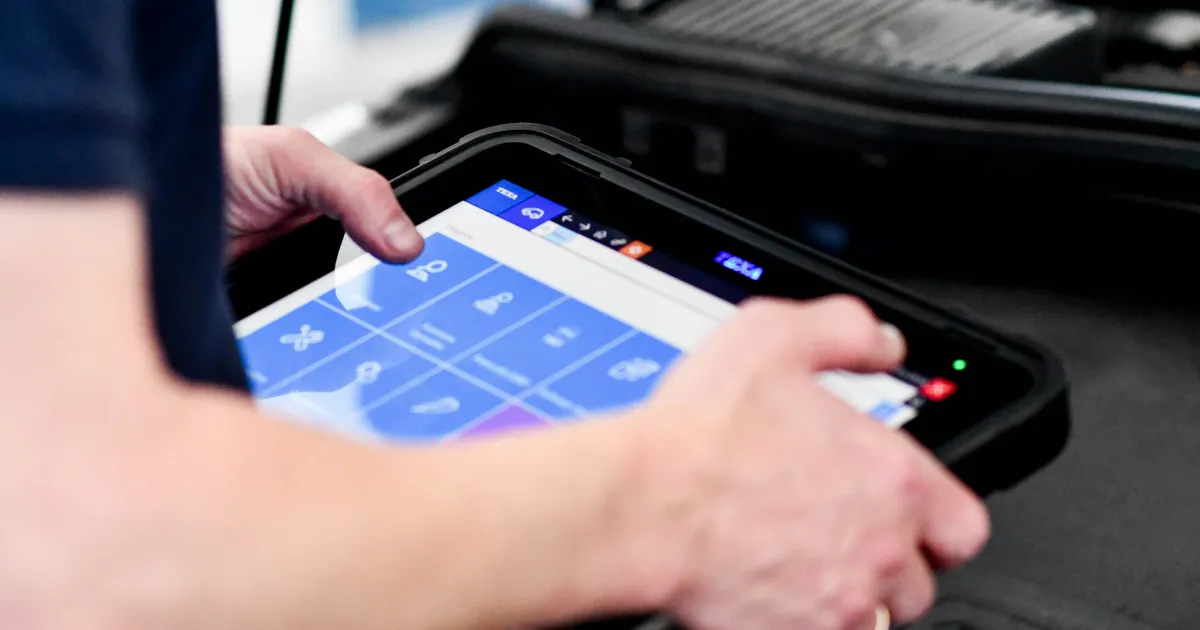
Did you know that an astonishing 40% of vehicle issues are initially misdiagnosed, leading to wasted time and unnecessary expenses for car owners? This staggering statistic underscores the critical importance of understanding automotive diagnostic tools features and usage insights. Modern vehicles are complex machines, relying on intricate electronic systems that generate a wealth of data. Without the right diagnostic equipment, pinpointing the root cause of a “check engine” light or a performance issue becomes a frustrating guessing game. This article will demystify these essential tools, guiding you through their capabilities and best practices to ensure accurate and efficient vehicle maintenance and repair.
Automotive diagnostic tools are sophisticated electronic devices designed to interface with a vehicle’s onboard computer systems. They read diagnostic trouble codes (DTCs), monitor live sensor data, perform system tests, and offer crucial insights into engine, transmission, ABS, airbag, and other electronic control unit (ECU) performance. Mastering their features and understanding proper usage is paramount for accurate troubleshooting and effective repairs.
Related Posts:
- Mastering Vehicle Ownership Costs for Long-Term Financial Planning
- Used Car Inspection Standards: Your Risk Assessment Guide to Avoid Lemons
- Luxury Car Comparison: Technology, Features, and Driving Experience
- The Essential Vehicle Preventive Maintenance Schedule for Long-Term Performance
- EV Charging Trends: Evaluating Accessibility for an Inclusive Future
Core Diagnostic Tool Features
At the heart of any effective diagnostic process lies the ability to interpret data from a vehicle’s onboard systems. Most automotive diagnostic tools, from basic code readers to advanced professional scanners, universally offer fundamental features like reading and clearing Diagnostic Trouble Codes (DTCs). These codes, standardized by the OBD-II protocol since 1996, are alphanumeric sequences that correspond to specific faults detected by the vehicle’s ECU. Understanding what each code signifies is the first step towards accurate diagnosis, often requiring cross-referencing with a reliable repair database or service manual.
Beyond simple code reading, modern diagnostic tools provide access to live data streams, which are invaluable for real-time monitoring of various sensors and actuators. This includes parameters like engine RPM, coolant temperature, oxygen sensor readings, fuel pressure, and throttle position. Observing these values as the engine runs, or even during a test drive, can reveal intermittent issues or confirm component failures that might not trigger a DTC immediately. Another crucial feature is “freeze frame data,” which records a snapshot of sensor values at the precise moment a DTC was set, offering context to the fault.
Advanced Diagnostic Capabilities
For more complex issues, advanced automotive diagnostic tools extend far beyond basic code reading. Bi-directional control is a powerful feature allowing technicians to send commands to vehicle systems, activating components like fuel pumps, cooling fans, or ABS solenoids directly from the scanner. This capability is indispensable for testing component functionality, performing relearns, or bleeding brake systems, significantly reducing diagnostic time. These advanced scanners also often support module programming, enabling updates or replacements of ECUs.
Another significant advancement in diagnostic technology is the integration of oscilloscope functions. While not standard on all scanners, many high-end professional tools can display electrical signals in waveform format. This allows for precise analysis of sensor outputs, injector pulse widths, ignition patterns, and communication signals on the CAN bus. Understanding these waveforms provides unparalleled insight into the health and performance of electrical components, often detecting subtle issues that would be missed by simply looking at numerical data, ensuring comprehensive vehicle analysis.
Specialized Modules and Add-ons
The evolving complexity of vehicle systems has led to the development of specialized modules and add-ons that augment the capabilities of a core diagnostic scanner. For instance, dedicated Tire Pressure Monitoring System (TPMS) tools are essential for programming new sensors or performing relearns after tire rotations. Similarly, battery and charging system testers integrate with diagnostic platforms to provide detailed reports on battery health and alternator output, crucial for preventing electrical failures. These specialized tools ensure comprehensive coverage, allowing technicians to address specific system needs efficiently and accurately.
Choosing the Right Tool
Selecting the appropriate automotive diagnostic tool depends heavily on your specific needs and technical proficiency. For DIY enthusiasts tackling minor issues, a basic OBD-II code reader or a smartphone app paired with a Bluetooth adapter might suffice. These provide essential DTCs and live data for common powertrain faults. However, professional workshops or serious hobbyists require more robust solutions, such as professional-grade scan tools that offer extensive vehicle coverage, advanced bi-directional controls, module programming, and regular software updates to support the latest 2026 vehicle models.
When investing in a diagnostic tool, consider factors beyond just its initial purchase price. Software update subscriptions are often mandatory for maintaining access to the latest vehicle models and diagnostic functions; neglecting these can quickly render an expensive tool obsolete. Look for tools with intuitive user interfaces, durable construction, and excellent technical support. Researching reviews and comparing specifications from reputable brands like Autel, Snap-on, or Launch is crucial to ensure you acquire a tool that genuinely enhances your diagnostic capabilities and provides long-term value for automotive repair insights.
Mastering Usage: Best Practices
Possessing a sophisticated diagnostic tool is only half the battle; mastering its usage is paramount for accurate and efficient troubleshooting. Always begin by performing a full system scan, not just focusing on the “check engine” light, as issues in one system can impact others. Documenting all retrieved Diagnostic Trouble Codes (DTCs) before clearing them is a crucial first step. Furthermore, understanding the specific diagnostic protocols (e.g., CAN, KWP2000) your vehicle uses can help in optimizing communication and data retrieval speed from the tool.
Interpreting live data streams requires a solid understanding of normal operating parameters for various sensors and actuators. Comparing real-time values against factory specifications or known good readings is essential. For instance, an oxygen sensor reading that stays consistently high or low, rather than cycling, indicates a problem. Utilizing graphing functions on your diagnostic tool can make identifying trends and anomalies much easier. Always verify a repair by performing a test drive and rescanning the vehicle to ensure the fault codes do not return, a vital step for confirming proper vehicle analysis.
The Future of Automotive Diagnostics in 2026
The landscape of automotive diagnostics is rapidly evolving, driven by advancements in vehicle technology and connectivity. By 2026, we anticipate a significant surge in cloud-based diagnostic platforms, allowing real-time data analysis and remote assistance for complex issues. Artificial intelligence (AI) and machine learning will play a larger role, helping diagnostic tools predict potential failures based on historical data and offering smarter troubleshooting guides. This will empower technicians with predictive maintenance capabilities, moving beyond reactive repairs to proactive vehicle care.
Furthermore, expect enhanced integration of telematics and over-the-air (OTA) updates to become standard, not just for vehicle software but also for diagnostic tool functionalities. Cyber security measures will also become more stringent as vehicles become increasingly connected, requiring diagnostic tools to adhere to new protocols to prevent unauthorized access. The focus will shift towards more integrated systems that combine diagnostic functions with repair procedures and parts ordering, streamlining the entire service process and offering unparalleled automotive diagnostic tools features and usage insights for the next generation of vehicles. You can read more about future trends in automotive technology on the SAE International website, which often covers emerging standards and innovations.
Key Takeaways
- Understanding core features like DTCs, live data, and freeze frame is fundamental for basic diagnostics.
- Advanced tools with bi-directional control and oscilloscopes enable comprehensive, in-depth troubleshooting.
- Choosing the right tool depends on your skill level and needs, with software updates being crucial for longevity.
- Effective usage involves full system scans, data interpretation, and repair verification to ensure accuracy.
Frequently Asked Questions
What is OBD-II, and why is it important for diagnostic tools?
OBD-II, or On-Board Diagnostics, Second Generation, is a standardized system implemented in all vehicles sold in the U.S. since 1996. It provides a universal port and communication protocols that allow diagnostic tools to access critical vehicle data and retrieve Diagnostic Trouble Codes (DTCs). Its importance lies in creating a common language for vehicle diagnostics across different manufacturers, making it possible for a single scan tool to work on a wide range of vehicles.
Can a basic code reader perform all necessary diagnostics?
No, a basic code reader primarily retrieves and clears Diagnostic Trouble Codes (DTCs) and provides some live data. While useful for identifying common powertrain issues, it lacks advanced features like bi-directional controls, module programming, or oscilloscope functions. These advanced capabilities are essential for diagnosing complex electrical problems, performing system resets, or calibrating components, which are often required for modern vehicle repairs.
How often should I update my diagnostic tool’s software?
The frequency of software updates depends on your tool and its subscription model, but generally, it’s advisable to update as often as new versions are released, especially if you work on a variety of newer vehicles. Updates typically include new vehicle coverage, bug fixes, and enhanced diagnostic functions for the latest models, including anticipated 2026 vehicles. Neglecting updates can lead to compatibility issues or the inability to diagnose newer systems. You can often find update schedules and details on the manufacturer’s official website.
What is bi-directional control, and why is it useful?
Bi-directional control is an advanced feature found in professional diagnostic tools that allows the user to send commands from the scanner to various vehicle components and systems. This means you can actively test components like fuel injectors, cooling fans, or ABS pumps, or perform procedures such as injector coding, steering angle sensor calibration, or electronic parking brake service. It’s incredibly useful because it helps pinpoint faulty components or verify repairs without needing to manually activate each part, significantly speeding up the diagnostic process.
Conclusion
Navigating the complexities of modern vehicle diagnostics doesn’t have to be daunting. By understanding the core and advanced features of automotive diagnostic tools, selecting the right equipment for your needs, and adopting best practices for usage, you empower yourself to troubleshoot effectively and accurately. The future promises even more intuitive and integrated solutions, making proactive vehicle maintenance more accessible than ever. Embrace these insights, and you’ll transform vehicle issues from frustrating mysteries into solvable challenges, ultimately saving time and money. Share your own diagnostic tool experiences and tips in the comments below!