

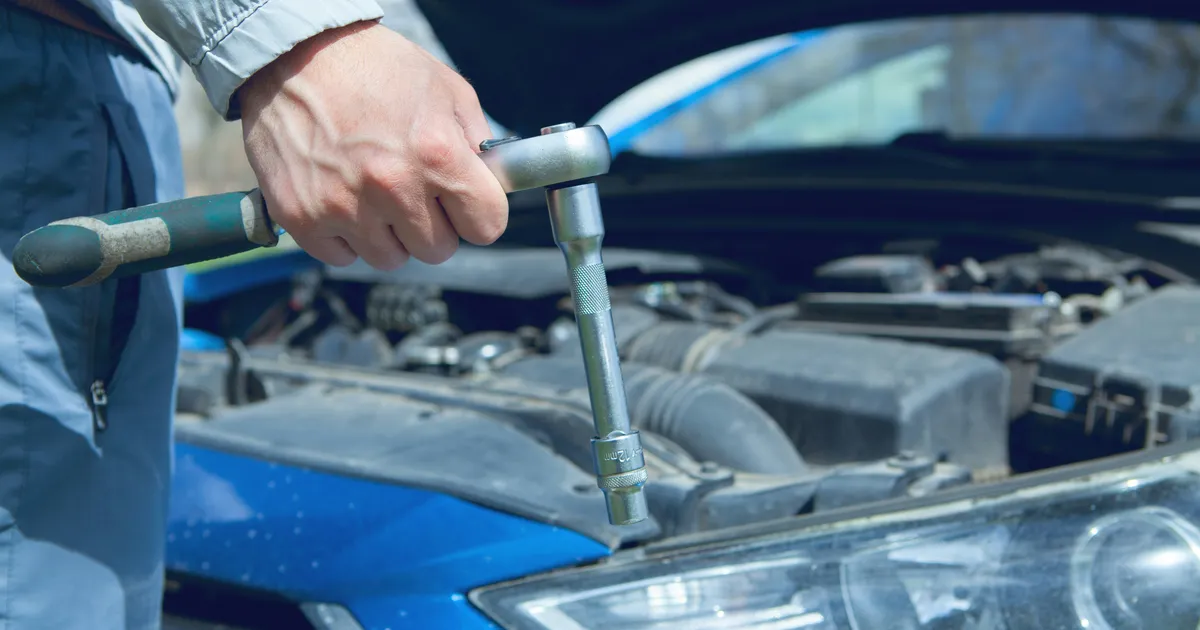
Did you know that neglecting routine vehicle maintenance can effectively reduce your car’s lifespan by up to 30%, costing you thousands in premature repairs or replacement? Establishing a robust vehicle preventive maintenance schedule for long term performance is not merely about avoiding breakdowns; it’s a strategic investment in your vehicle’s longevity, safety, and retained value. By consistently adhering to manufacturer-recommended service intervals, you ensure every component operates optimally, preventing minor issues from escalating into major, costly failures. This proactive approach safeguards your investment, enhances fuel efficiency, and provides peace of mind on every journey, proving that a little foresight goes a long way in the automotive world.
Quick Answer: A comprehensive vehicle preventive maintenance schedule involves regular oil changes, tire rotations, fluid checks, brake inspections, and filter replacements, typically following manufacturer guidelines. Adhering to this schedule significantly extends vehicle lifespan, enhances safety, improves fuel efficiency, and preserves resale value, saving owners substantial money on major repairs in the long run.
Related Posts:
- Essential 2026 New Car Evaluation Criteria for Smart Buyers
- Unveiling Tomorrow: Future Mobility Innovations & Smart Vehicle Technologies
- EV Charging Trends: Evaluating Accessibility for an Inclusive Future
- Car Financing Options Comparison: Interest Rates & Benefits Analysis
- Best Budget Hatchbacks: Value for Money Comparison Guide
Why Preventive Maintenance Matters
Ignoring your car’s service needs is akin to ignoring your own health – small issues can quickly snowball into serious complications. A consistent preventive maintenance schedule isn’t just about fixing things when they break; it’s about proactively addressing wear and tear before it compromises performance or safety. This foresight prevents catastrophic engine failures, transmission problems, or brake system malfunctions that could put you and your passengers at risk. Moreover, well-maintained vehicles often exhibit better fuel economy, translating into tangible savings at the pump and a smaller environmental footprint. It’s the cornerstone of responsible vehicle ownership, ensuring reliability for years to come.
The financial benefits of a diligent maintenance regimen are profound. While initial service costs might seem like an expense, they are a fraction of what you’d pay for major overhauls or emergency repairs resulting from neglect. For instance, a regular oil change is far cheaper than replacing a seized engine. Furthermore, a car with a documented service history commands a higher resale value, offering a significant return on your maintenance investment. In 2026, as vehicle technology advances, maintaining your car’s sophisticated systems according to schedule will be even more critical for optimal performance and longevity.
Understanding Your Vehicle’s Lifeline
At the heart of your vehicle’s long-term performance are its critical fluids, filters, and essential components. Engine oil, transmission fluid, brake fluid, coolant, and power steering fluid each play a vital role in lubrication, cooling, and hydraulic operation. Neglecting fluid changes can lead to premature wear, overheating, and system failures. Similarly, air filters (engine and cabin), fuel filters, and oil filters prevent contaminants from entering crucial systems, ensuring clean operation and efficient performance. Regular checks and replacements of these items are non-negotiable for preserving your car’s health and responsiveness on the road.
Beyond fluids and filters, the health of your tires, brakes, and battery are paramount. Tires require regular rotation and pressure checks to ensure even wear and optimal grip, impacting both safety and fuel efficiency. Your braking system, encompassing pads, rotors, and fluid, is your primary safety feature and must be inspected routinely for wear and proper function. The battery, often overlooked, powers all electrical components and needs periodic testing, especially as it approaches its typical 3-5 year lifespan. These elements collectively form the backbone of your vehicle’s operational integrity.
The Critical Role of Fluids
Every fluid in your vehicle serves a specific, indispensable purpose, acting as the lifeblood of its respective system. Engine oil lubricates moving parts and dissipates heat, preventing destructive friction. Transmission fluid ensures smooth gear shifts and cools the transmission’s complex internal components. Brake fluid transmits pressure from the pedal to the calipers, enabling stopping power. Coolant regulates engine temperature, preventing both overheating and freezing. Each fluid has a recommended service interval, and adhering to these ensures optimal performance and prevents costly damage to the systems they protect.
Seasonal Car Care Strategies
Vehicle maintenance isn’t a one-size-fits-all approach; it often requires seasonal adjustments to account for varying environmental conditions. Winter demands specific attention to battery health, tire type (winter tires for optimal traction), and ensuring your cooling system is protected with the correct antifreeze mix. Inspecting wipers and ensuring proper defroster function are also crucial for visibility. Preparing your vehicle for cold weather can prevent unexpected breakdowns and enhance safety during challenging driving conditions, making your commute much more reliable.
Conversely, summer brings its own set of challenges. High temperatures can stress your cooling system, making a coolant flush and hose inspection vital. Air conditioning system checks ensure your comfort and prevent compressor strain. Tire pressure should be monitored more frequently as heat can cause fluctuations. Even simple things like checking your wiper fluid reservoir become more important for clearing summer bugs and road grime. Adapting your maintenance routine seasonally ensures your vehicle performs optimally and safely, regardless of the weather outside.
DIY vs. Professional Service
While some basic preventive maintenance tasks can be confidently handled by the average car owner, understanding where to draw the line between DIY and professional service is crucial for long-term vehicle health. Simple tasks like checking fluid levels, tire pressure, and even replacing wiper blades or air filters are excellent ways to save money and stay connected with your vehicle’s condition. These regular checks empower you to catch minor issues before they become major problems, fostering a deeper understanding of your car’s operational nuances.
However, more complex procedures such as brake system overhauls, transmission flushes, intricate engine diagnostics, or timing belt replacements demand the expertise and specialized tools of certified technicians. Attempting these tasks without proper knowledge can lead to serious damage, void warranties, or compromise safety. Consulting your owner’s manual for specific service intervals and knowing when to trust a professional ensures your vehicle receives the precise care it needs, safeguarding its intricate systems and ensuring reliable performance for years, well into 2026 and beyond.
Impact on Resale Value & Longevity
A well-maintained vehicle isn’t just a pleasure to drive; it’s a valuable asset that retains its worth over time. Prospective buyers are willing to pay a premium for cars with a complete, verifiable service history, as it signifies a vehicle that has been cared for and is likely to be reliable. Documenting every oil change, tire rotation, and major service appointment with receipts and service records can significantly boost your car’s resale value, potentially adding thousands when it’s time to sell or trade in.
Beyond financial returns, adhering to a strict preventive maintenance schedule directly correlates with your vehicle’s operational lifespan. Cars that receive regular, timely care are simply built to last longer. By preventing wear and tear on critical components, you extend the life of your engine, transmission, and other expensive systems. This means you can enjoy your vehicle for many more years, delaying the need for a new car purchase and realizing substantial savings over its entire ownership period. It’s an investment in enduring performance and peace of mind.
Key Takeaways
- Proactive maintenance significantly extends your vehicle’s lifespan and prevents costly repairs.
- Adhering to manufacturer service schedules enhances safety, fuel efficiency, and overall performance.
- Regular checks of fluids, tires, brakes, and filters are foundational to vehicle health.
- Documenting your service history boosts resale value and confirms diligent care.
Frequently Asked Questions
How often should I change my oil?
The frequency of oil changes depends on your vehicle’s make, model, year, and the type of oil used. Modern synthetic oils can extend intervals to 7,500-10,000 miles or even more, while older vehicles or conventional oils might require changes every 3,000-5,000 miles. Always consult your owner’s manual for the most accurate recommendation for your specific vehicle and driving conditions.
What are the signs my brakes need inspection?
Common signs that your brakes need inspection include a squealing or grinding noise when braking, a pulsating brake pedal, your car pulling to one side during braking, or a “spongy” or low brake pedal. Any of these symptoms warrant immediate professional inspection to ensure your safety and prevent further damage to the braking system.
Is flushing my transmission fluid necessary?
Transmission fluid flushes are often recommended by manufacturers at specific mileage intervals, typically between 60,000 to 100,000 miles, depending on the vehicle and driving conditions. This service replaces all the old fluid, removing contaminants and ensuring the transmission operates smoothly. Always refer to your vehicle’s owner’s manual for the exact recommendation, as some manufacturers specify drain-and-fill instead of a full flush.
How can I improve my car’s fuel efficiency?
Improving fuel efficiency involves several maintenance and driving habits. Ensure your tires are properly inflated, get regular oil changes, replace air filters as recommended, and keep your engine tuned up. Additionally, driving habits such as avoiding aggressive acceleration, maintaining a steady speed, and reducing excessive idling can significantly contribute to better gas mileage. For more tips on eco-driving, check out resources from the Environmental Protection Agency (EPA).
Conclusion
Embracing a proactive vehicle preventive maintenance schedule for long term performance is one of the smartest decisions you can make as a car owner. It’s an investment that pays dividends in safety, reliability, and financial savings, ensuring your vehicle remains a dependable companion on the road for many years, even as we look towards 2026 and beyond. By understanding your car’s needs and adhering to a consistent service plan, you not only preserve its value but also enhance your driving experience. What’s one maintenance tip you swear by that has extended your car’s life?