

Engine cooling system maintenance for overheating prevention serves as a profound metaphor for the human condition, reflecting our constant struggle to manage internal intensity while navigating a volatile external environment. Just as we seek balance between ambition and burnout, the combustion engine requires a delicate, rhythmic circulation of coolant to dissipate the immense heat generated by its relentless pursuit of motion. Neglecting this vital infrastructure invites catastrophe, yet the act of maintenance is more than a mere chore; it is an exercise in mindfulness, a commitment to foresight that preserves the longevity of a complex machine. In this year of 2026, as automotive technology integrates deeper with AI-driven diagnostics, the fundamental requirement remains unchanged: we must respect the thermal limits of our mechanical companions to ensure they continue to serve our journeys.
The Philosophy of Thermal Management
At the heart of every internal combustion engine lies a thermodynamic paradox, where controlled explosions generate the power necessary to conquer distance while simultaneously threatening to consume the engine from within. The cooling system acts as the silent mediator in this struggle, a circulatory network of pumps, hoses, and radiators that tirelessly siphon away excess kinetic energy in the form of heat. To ignore these components is to embrace chaos, as the inevitable degradation of seals and fluids leads to a breakdown of the entire system. Understanding that this maintenance is a dialogue between human and machine allows us to appreciate the intricate engineering that keeps us moving safely across the landscape.
- DIY Car Maintenance Tasks Every Beginner Can Safely Perform
- Car Fluid Replacement Schedule for Long Term Reliability
- How to Extend Vehicle Engine Life with Proper Maintenance
- Common Car Maintenance Mistakes That Damage Vehicle Performance
- Automotive Diagnostic Tools: Features, Usage & Expert Insights Guide
When we approach engine cooling system maintenance for overheating prevention, we are practicing a form of preventative stewardship that honors the complexity of modern engineering. In 2026, the thermal loads on newer engines are higher than ever, driven by the demand for increased efficiency and tighter tolerances. This necessitates a proactive stance, where one does not wait for a warning light to illuminate the dashboard but instead anticipates the wear of hoses and the thinning of chemical properties within the coolant. By acknowledging that entropy is an inherent quality of all systems, we can adopt a disciplined schedule that transforms mechanical care into a meditative, reliable practice of preservation.
Diagnostic Precision in 2026
Modern diagnostics have evolved significantly, moving beyond simple temperature gauges to sophisticated sensor arrays that monitor the chemical integrity of coolants and the microscopic flow rates within the engine block. The contemporary driver possesses tools that were once the domain of specialized racing teams, allowing for a deeper understanding of how heat propagates through the engine assembly. Utilizing an SAE International standard approach to monitoring ensures that one is not merely reacting to symptoms, but addressing the root causes of thermal instability. This technological leap demands a higher caliber of vigilance, as the subtlety of modern failure modes requires a nuanced eye.
The Role of Smart Sensors
The integration of IoT sensors in 2026 vehicles provides real-time telemetry on coolant degradation, a development that changes the landscape of maintenance. These systems can detect the presence of electrolysis or acidic buildup long before it causes a catastrophic seal failure or radiator blockage. By embracing these advancements, we bridge the gap between human intuition and machine precision, creating a symbiotic relationship that fosters longevity. It is essential to integrate these data points into your routine, treating the digital feedback not as a distraction, but as a vital communication channel from the engine itself regarding its internal health and operational state.
Comparison Table / Specifications Table
| Feature | Standard Ethylene Glycol | Organic Acid Technology (OAT) | Hybrid Organic Acid (HOAT) | Notes |
|---|---|---|---|---|
| Service Life | 2 Years / 30k Miles | 5-10 Years / 150k Miles | 5 Years / 100k Miles | Varies by manufacturer |
| Corrosion Protection | Inorganic Additives | Organic Carboxylates | Combination | OAT is modern standard |
| Compatibility | Universal | Specific Systems | Wide Compatibility | Check owner manual |
| Environmental Impact | High Toxicity | Moderate | Low Toxicity | Proper disposal needed |
| Heat Transfer | Excellent | Good | Superior | HOAT balances both |
The Anatomy of Fluid Integrity
The coolant, often relegated to an afterthought, is the lifeblood of the engine, performing the dual role of heat transport and corrosion inhibition. Over time, the chemical additives that protect aluminum components from oxidation break down, leaving the system vulnerable to sludge and localized overheating. If you look at the Environmental Protection Agency guidelines for fluid management, you will find that the responsible disposal and timely replacement of these chemicals are critical to the broader ecosystem. Treating the fluid as a dynamic component rather than a static liquid is the hallmark of a discerning mechanic who understands that chemical stability dictates mechanical performance.
Investing in high-quality coolant is not merely a financial choice but a commitment to the structural integrity of your engine’s internal pathways. In 2026, the market is flooded with variations, yet the choice should be dictated strictly by the metallurgical requirements of your specific engine block. Whether dealing with iron or aluminum, the interaction between the coolant and the metal surfaces defines the rate of heat dissipation. By maintaining the correct concentration and pH balance, you prevent the formation of insulating layers that trap heat, thereby ensuring that the engine operates within its optimal thermal window regardless of the external ambient temperature.
Reddit & Expert Community Consensus
“The consensus among 2026 industry experts is clear: stop treating coolant as a lifetime fluid. Even if your manual claims ‘fill for life,’ the cooling system is a closed-loop environment that inevitably suffers from trace contamination. I’ve seen enough blown head gaskets to know that a simple flush every 60k miles pays for itself tenfold. Don’t just rely on the sensors; use a refractometer to verify concentration levels before you head out on a long trip. Experience dictates that prevention is always cheaper than a tow truck and a top-end rebuild.”
The Mechanical Symphony of Cooling
Every component in the cooling circuit, from the water pump to the thermostat, acts as a performer in a mechanical symphony where harmony is mandatory. The thermostat, a deceptively simple device, acts as the conductor, determining when the coolant should circulate through the radiator or remain inside the engine to reach operating temperature. If this component sticks, the entire orchestra falls into discord, leading to rapid overheating or inefficient fuel consumption. Recognizing the signs of a failing thermostat—such as fluctuating gauge readings or inconsistent cabin heat—allows the driver to intervene before the delicate internal balance is lost to irreversible thermal damage.
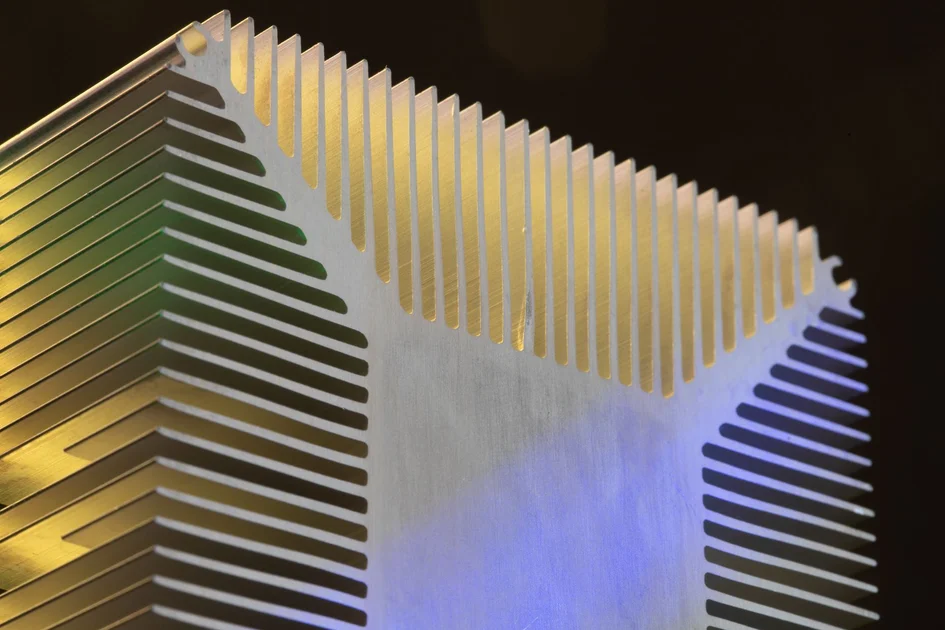
The radiator itself serves as the grand stage where the heat is surrendered to the atmosphere, and its external cleanliness is just as vital as the fluid quality within. Debris, insects, and road grime accumulate on the radiator fins, acting as a thermal blanket that prevents the efficient transfer of energy. In the dry, dusty conditions of 2026, regular inspection and careful cleaning of the radiator face are essential tasks for anyone serious about engine cooling system maintenance for overheating prevention. By keeping the airways clear, you allow the engine to breathe, ensuring that the dissipation process remains unobstructed and the thermal equilibrium of the machine is consistently maintained.
Key Takeaways
- Regularly check coolant levels to identify leaks before they manifest as critical failures.
- Adhere strictly to the manufacturer-recommended fluid type to prevent chemical incompatibility.
- Inspect hoses for signs of brittleness or swelling, as these are the primary points of failure.
- Maintain a clean radiator exterior to ensure maximum airflow and heat exchange efficiency.
- Utilize modern diagnostic tools to monitor thermal trends instead of waiting for warning lights.
- Prioritize preventative flushing of the system to remove accumulated contaminants and oxidation.
Frequently Asked Questions
Is it safe to mix different types of coolant?
No, mixing different formulations can lead to chemical reactions that create sludge, clogging your radiator and heater core, which significantly increases the risk of overheating.
How often should I change my engine coolant?
While some modern vehicles claim lifetime fluid, industry experts recommend a flush and fill every 5 to 7 years or 60,000 to 100,000 miles to ensure optimal corrosion protection.
What are the first signs of a cooling system failure?
Keep an eye on fluctuating temperature gauges, sweet-smelling coolant leaks under the car, a malfunctioning heater, or the illumination of a check engine light related to thermal management.
Can I use water in an emergency?
Distilled water can be used to reach a service station in an emergency, but it lacks the necessary anti-corrosion and anti-freeze properties and must be replaced with proper coolant immediately.
Why does my cooling fan run after the engine is off?
This is a normal feature in many 2026 models designed to dissipate residual heat from the engine bay, ensuring that heat soak does not damage sensitive electronic components after shutdown.
Conclusion
The path to mechanical reliability is paved with consistency, attention to detail, and a deep respect for the thermal dynamics that govern our machines. By mastering engine cooling system maintenance for overheating prevention, you do more than just avoid the inconvenience of a breakdown; you cultivate a deeper understanding of the systems that define our modern mobility. As we navigate the complexities of 2026, let this commitment to care be a reflection of your broader philosophy toward technology and sustainability. A well-maintained engine is a testament to the harmony between human foresight and mechanical endurance.