

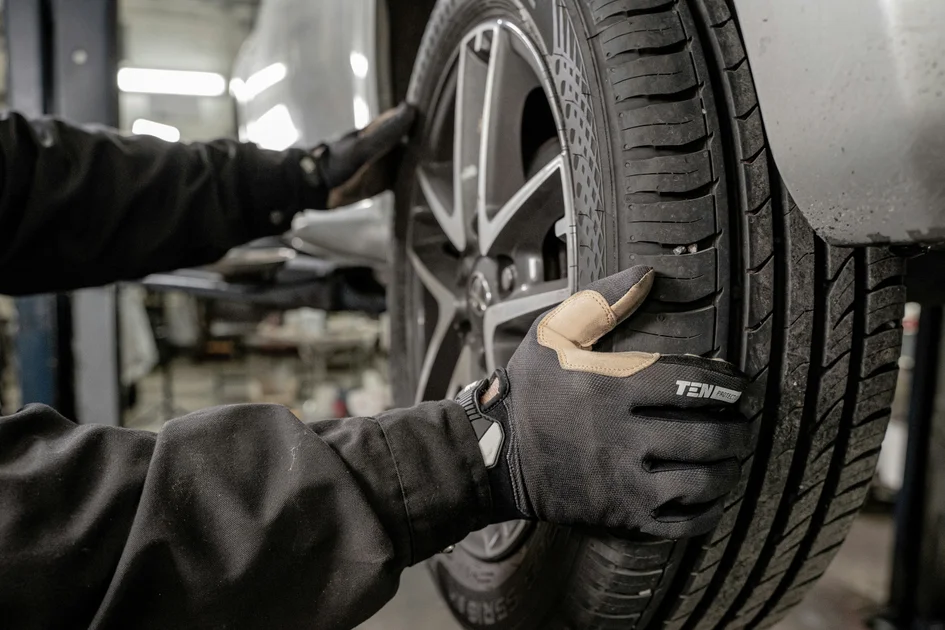
A complete tire maintenance guide for better road safety is more than a checklist for vehicle longevity; it is a profound acknowledgment of our fragile connection to the earth beneath us. As we navigate the complex roadways of 2026, the humble tire remains the singular point of contact between our kinetic ambitions and the physical reality of the asphalt. To ignore the health of one’s tires is to ignore the ethical responsibility we bear toward our fellow travelers and ourselves. By cultivating a disciplined approach to tire care, we transform a mundane mechanical necessity into an act of mindfulness. This practice demands that we observe, interpret, and act upon the subtle signs of wear, ensuring that every journey is grounded in both technical precision and a deep-seated respect for the preservation of life in an increasingly fast-paced world.
The Philosophy of Traction

At the core of automotive movement lies the concept of friction, a silent mediator of safety that dictates our ability to stop, turn, and accelerate. In 2026, tire technology has reached a pinnacle of synthetic engineering, yet the fundamental requirement remains constant: the rubber must maintain an intimate, uncompromised grip on the road surface. When we neglect tire pressure or allow tread depth to vanish, we are essentially gambling with the laws of physics. Understanding the chemical composition and structural integrity of your tires is an exercise in humility; it reminds us that our autonomy on the road is always conditional, granted by the health of these four circular interfaces.
- Preventive Car Maintenance Tips to Avoid Expensive Repairs
- Elevate Your Drive: Car Interior Upgrade Accessories for Performance & Comfort
- Must-Have Car Accessories: Essential Gear for Enhanced Safety & Daily Convenience
- Ultimate Guide to Vehicle Safety Accessories: Standards & Recommendations
- How to Detect Hidden Structural Rust Under Rubberized Undercoating When Buying Used
Maintaining optimal traction is not merely about avoiding accidents; it is about harmonizing with the environment. Proper inflation ensures that the tire footprint remains uniform, preventing uneven wear patterns that signify a disconnect between the machine and the terrain. By monitoring your tires with the same vigilance you might apply to your own health, you cultivate a sense of agency that permeates your entire driving experience. This intentionality fosters a safer driving culture where every motorist acknowledges that the road is a shared space, and the condition of their vehicle is a testament to their character and their commitment to the collective welfare of the public.
Pressure and Performance
The internal pressure of a tire is the invisible force that upholds the structural integrity of your vehicle’s mobility. Even a slight deviation from the manufacturer’s recommended PSI can lead to increased rolling resistance, which compromises fuel efficiency and elevates the risk of a catastrophic blowout. In 2026, modern vehicles are equipped with advanced sensors, yet the human element—the willingness to verify these numbers manually—remains irreplaceable. Relying solely on digital alerts can lead to a false sense of security, as sensors themselves require calibration and care. Treat your tire pressure gauge as a vital diagnostic tool that bridges the gap between digital data and physical reality.
The Science of Inflation
When tires are under-inflated, the sidewalls flex excessively, generating heat that can weaken the internal cords and lead to premature failure. Conversely, over-inflation reduces the contact patch, diminishing your car’s ability to handle corners and decreasing braking efficacy. Achieving the perfect balance is a meditative process of measurement and adjustment. You should check your tire pressures monthly, preferably while the rubber is cool, to obtain the most accurate readings. This simple ritual serves as a foundational pillar of road safety, ensuring that your vehicle is always prepared to respond to the unpredictable nature of modern transit with grace and mechanical reliability.
Understanding Wear Patterns
The tread pattern on your tires acts as a chronicle of your driving history, telling a story of every hard turn, sudden stop, and misaligned suspension component. By examining these grooves, you can decipher the health of your vehicle long before a major failure occurs. Uneven wear, such as cupping or edge wear, is often a silent cry for help from your suspension system or wheel alignment. Ignoring these visual cues is a failure of observation that can lead to costly repairs and dangerous handling characteristics. In 2026, we have access to sophisticated alignment technology, yet the eye of the driver remains the primary guardian of the vehicle’s functional longevity.
Rotate your tires regularly, ideally every 5,000 to 7,000 miles, to ensure that the rubber wears evenly across all four positions. This practice is not just a logistical recommendation but a way to extend the lifespan of your investment while maintaining consistent performance. By distributing the stresses of the road equally among your tires, you honor the structural design of your vehicle. A well-rotated set of tires provides a balanced ride, reduces noise, and ensures that your traction remains predictable, allowing you to navigate the complexities of daily commuting with confidence and a clear mind.
Cost & Pricing Breakdown
Effective maintenance requires both financial foresight and a commitment to quality. Investing in premium rubber is an investment in your safety, though it is essential to understand the market tiers available in 2026. Below is a breakdown of typical costs associated with tire care and replacement to help you budget for a safer driving experience.
| Service/Item | Estimated Cost Range (USD) | Frequency/Notes |
|---|---|---|
| Standard Tire Rotation | $40 – $80 | Every 6,000 miles |
| Wheel Alignment | $80 – $150 | Annually or after impact |
| Economy Tire Set | $400 – $600 | Budget-friendly, shorter lifespan |
| Mid-Range Tire Set | $700 – $1,000 | Best balance of longevity/price |
| Performance/Premium Set | $1,200 – $2,000+ | Specialized for extreme conditions |
Choosing the right tire involves more than selecting the lowest price point. Consider the long-term utility, fuel economy gains, and safety ratings of each tier. Budgeting for these expenses as part of your annual vehicle upkeep prevents the sudden financial burden of emergency replacements. Remember, the cost of a high-quality tire is negligible when weighed against the potential cost of an accident caused by inferior equipment. Prioritize reliability over vanity, and view your tire budget as a dedicated fund for the preservation of your safety and the longevity of your automotive life.
Reddit & Expert Community Consensus
In the digital age, wisdom is often crowdsourced from those who have walked the path before us. Industry forums and platforms like Reddit have become vital repositories of practical experience, where mechanics and enthusiasts share insights that go beyond the owner’s manual. When discussing tire maintenance, the consensus is clear: consistency is the primary driver of safety. The community emphasizes that proactive care is always superior to reactive repairs, and that the quality of your tires is the most critical factor in your vehicle’s performance.
“The biggest mistake I see in the shop is people waiting for the ‘check tire’ light to come on before they even look at their pressures. If you aren’t checking your PSI manually once a month, you aren’t really driving safely. A tire gauge is five dollars; a new bumper is five hundred. Do the math and respect your equipment, because it’s the only thing keeping you on the road when it rains.” — Expert contributor from a leading automotive engineering forum.
This sentiment echoes throughout the community, reinforcing the idea that expertise is not just about technical knowledge, but about the discipline to apply it. Whether you are seeking advice on the best all-weather compounds or learning how to read tread wear indicators, the collective experience of global motorists serves as a powerful reminder that we are all students of the road. Engaging with these communities can demystify complex mechanical issues and provide you with the confidence to perform basic maintenance tasks yourself, thereby deepening your connection to your vehicle and your understanding of its mechanical soul.
Frequently Asked Questions
How often should I replace my tires?
While most manufacturers recommend replacement every six years regardless of mileage, you should replace them sooner if the tread depth falls below 2/32 of an inch. Always check for dry rot or sidewall cracks, which indicate structural degradation.
Is it necessary to rotate tires every time I change my oil?
Yes, syncing your tire rotation with your oil change schedule is an excellent way to ensure you never miss a maintenance interval. This consistency prevents uneven wear and maximizes the life of your tires throughout the year.
Can I mix different tire brands on the same axle?
It is strongly advised against. Mixing brands or tread patterns can lead to unpredictable handling, especially in wet conditions. Always ensure tires on the same axle match in size, construction, and tread design for optimal safety.
What is the benefit of nitrogen-filled tires?
Nitrogen is less prone to pressure fluctuations caused by temperature changes compared to compressed air. While not mandatory, it can provide more stable tire pressure, leading to slightly better fuel efficiency and longer tire life in extreme climates.
How do I know if my tire is damaged beyond repair?
Punctures located on the sidewall or shoulder of the tire are generally considered unrepairable because these areas flex during movement. If you notice large bulges, deep gashes, or exposed steel belts, the tire must be replaced immediately for your safety.
Conclusion
Ultimately, a complete tire maintenance guide for better road safety is a manifesto for the conscious driver. By embracing the small, repetitive tasks of checking pressure, monitoring tread, and scheduling rotations, you are doing more than just maintaining a vehicle; you are cultivating a state of readiness that honors the gravity of driving. In 2026, let us move beyond the view of the car as a mere appliance and see it as an extension of our own responsibility. When we prioritize the integrity of our tires, we contribute to a safer, more mindful world for everyone on the road.