

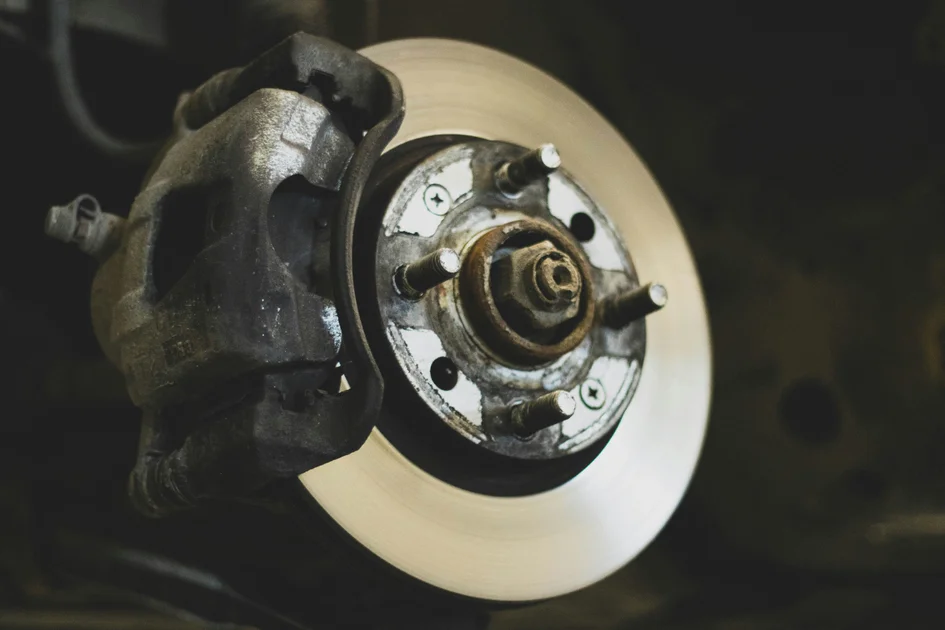
Mastering a comprehensive brake system maintenance guide for safe daily driving is not merely a mechanical task; it is an act of profound existential responsibility. As we navigate the complex, high-speed arteries of our 2026 infrastructure, our vehicles serve as extensions of our own kinetic intent. To command a machine capable of immense velocity requires an equal commitment to the art of cessation. Friction, the silent partner of movement, dictates our survival. By maintaining the integrity of our braking systems, we acknowledge the fragility of life and the necessity of control. This guide explores the intersection of engineering precision and human safety, ensuring that when the moment arrives to pause, your vehicle responds with the unwavering reliability that modern stewardship demands. Vigilance in this domain is the ultimate expression of care for oneself and the collective.
The Philosophy of Friction

At its core, the ability to stop is the defining characteristic of a sentient driver. In 2026, automotive technology has advanced toward regenerative systems and electronic assistance, yet the foundational physics of heat dissipation and mechanical friction remain absolute. When you depress the pedal, you are initiating a conversation between kinetic energy and thermal reality. If the pads are worn thin or the fluid is degraded, that conversation falters, leading to a loss of agency. We must treat our brake systems as living, breathing components that require consistent attention rather than waiting for the desperate scream of a wear sensor.
- Compact SUV Comparison: Fuel Efficiency & Safety Deep Dive
- Unveiling Tomorrow: Future Mobility Innovations & Smart Vehicle Technologies
- Common Car Maintenance Mistakes That Damage Vehicle Performance
- The Essential Guide to Automotive Maintenance for Maximum Durability
- Mastering Vehicle Ownership Costs for Long-Term Financial Planning
Understanding the wear cycle of your vehicle is a meditative practice in observation. By paying attention to the subtle cues—the slight change in pedal resistance, the faint whisper of a squeal, or the microscopic vibrations through the chassis—you become attuned to the machine’s needs. Neglect is not a passive act; it is a choice that ripples through the fabric of daily traffic. True safety is proactive, rooted in the understanding that components like rotors and calipers are not permanent, but temporary guardians of your momentum.
Diagnostic Indicators
The vehicle communicates its distress long before a failure becomes catastrophic. A common error among modern motorists is the assumption that silence equals health, yet some of the most dangerous failures are silent. Inspecting your brake pads every 5,000 miles, or at least every six months, is a standard of care that preserves the longevity of the entire assembly. Look for uneven wear patterns, which often signal deeper alignment issues or seized pins. In 2026, professional diagnostic tools at sites like SAE International provide insights into how modern materials perform under extreme thermal stress.
Beyond the physical pads, consider the health of your hydraulic fluid. Brake fluid is hygroscopic, meaning it greedily absorbs moisture from the atmosphere. Over time, this water content lowers the boiling point of the fluid, leading to a spongy pedal feel that disappears when you need it most. Replacing this fluid every two years is a non-negotiable step for any responsible owner. By maintaining the purity of the hydraulic loop, you ensure that the pressure you apply is transmitted with absolute fidelity to the calipers, maintaining the sanctity of your stopping distance.
Reddit & Expert Community Consensus
“The most common mistake I see on automotive forums is people chasing cheap pads while ignoring the condition of their rotors and fluid. I’ve spent years in the shop, and I can tell you that a high-end pad on a warped rotor is a waste of money. Always bed your brakes properly after a change; that initial layer of material transfer is what makes a set last for years instead of months. Don’t cheap out on the fluid either—your life is literally riding on a few ounces of glycol-based chemistry.” — Senior Technician, Automotive Engineering Collective.
The collective wisdom of the 2026 digital community mirrors this sentiment, emphasizing that the “budget-friendly” approach often leads to systemic failure. Expert consensus suggests that the integration of modern sensors has made it easier to monitor health, but harder for the average driver to understand the mechanical reality beneath the dashboard. Forums consistently highlight that the “feel” of the car is the most accurate diagnostic tool available to an attentive driver. If the vehicle feels different today than it did yesterday, the community consensus is clear: investigate immediately, verify the hardware, and never ignore the tactile signals provided by the pedal.
Pros and Cons Analysis
When deciding how to manage your braking system, one must weigh the benefits of DIY maintenance against the security of professional service. Below is a breakdown of the considerations for the modern driver.
| Feature | DIY Maintenance | Professional Service |
|---|---|---|
| Cost Efficiency | High: Lower labor costs. | Lower: Higher labor fees. |
| Expertise | Variable: Depends on skill. | Guaranteed: ASE certified. |
| Equipment | Limited: Basic tools only. | Advanced: Full diagnostics. |
| Reliability | Risk: Potential for error. | High: Warranty coverage. |
The Balance of Risk
The primary advantage of professional maintenance is the peace of mind that comes with certified labor. In an era of complex ABS and ESC systems, professional technicians possess the specialized software needed to bleed hydraulic lines properly without trapping air. Conversely, the benefit of DIY maintenance is the intimate knowledge gained; by performing the work yourself, you develop a profound respect for the mechanical limits of your machine. This duality creates a safer driver, one who understands exactly how their vehicle functions and respects the gravity of the equipment they rely on.
Component Longevity
The lifespan of your braking components is a function of your driving style. Aggressive, stop-and-go driving places immense thermal stress on rotors, leading to premature crystallization and warping. Conversely, smooth, predictable deceleration extends the life of your pads and reduces the wear on suspension bushings. In 2026, many drivers are adopting regenerative braking techniques, allowing electric motors to handle the initial deceleration, which drastically reduces mechanical wear. Understanding this synergy is vital for anyone looking to optimize their vehicle’s efficiency.
Furthermore, environmental factors play a significant role. If you reside in a climate with heavy snow and road salt, corrosion is the primary enemy of your calipers. Regular cleaning and lubrication of the slide pins can prevent seizing, a condition that often leads to overheating and total brake failure. Treat your braking system as you would your own cardiovascular health; it requires constant, gentle maintenance to prevent the buildup of contaminants. Small, deliberate actions taken during routine washes—such as rinsing the wheel wells—can prevent the degradation of vital hardware.
Key Takeaways
- Inspect brake pads every 5,000 miles to monitor wear and rotor integrity.
- Replace brake fluid every two years to prevent moisture-induced failure.
- Always bed your new pads correctly to ensure proper material transfer.
- Listen for subtle auditory cues and changes in pedal resistance daily.
- Consider the driving environment when choosing between ceramic or metallic pads.
- Consult reliable industry resources like NHTSA for safety recalls.
Frequently Asked Questions
How do I know if my brake pads are failing?
Listen for a high-pitched squealing noise or a grinding sound, which indicates the wear indicator or the backing plate is contacting the rotor. Additionally, a soft or spongy brake pedal is a major warning sign.
Can I mix different brands of brake pads?
It is strongly advised against. Using mismatched pads on the same axle can lead to uneven braking force, causing the vehicle to pull to one side during emergency stops. Always replace pads in axle sets.
What is “bedding” the brakes?
Bedding is the process of gradually heating and cooling new brake pads to transfer a thin layer of friction material onto the rotors. This maximizes performance and prevents brake judder.
Is it normal for brakes to rust?
Surface rust on rotors is normal after rain or high humidity, especially if the vehicle sits for a few days. It usually disappears after the first few stops. Deep, pitted rust, however, requires replacement.
Why does my pedal pulse when I brake?
A pulsing pedal is typically a symptom of a warped or unevenly worn rotor. The caliper is essentially “bouncing” off the high spots on the rotor surface, which requires resurfacing or replacement.
Conclusion
In the final analysis, the maintenance of your vehicle’s braking system is a profound reflection of your commitment to safety and awareness. By treating these mechanical components with the reverence they deserve, you not only protect yourself but also contribute to the collective security of our 2026 roads. Remember that the ability to stop is the ultimate power of the driver. Carry this knowledge into every journey, staying vigilant, informed, and prepared. When you respect the science of friction, you ensure that every stop is as smooth and controlled as the journey itself. Safety is not a destination, but a constant, intentional practice.