

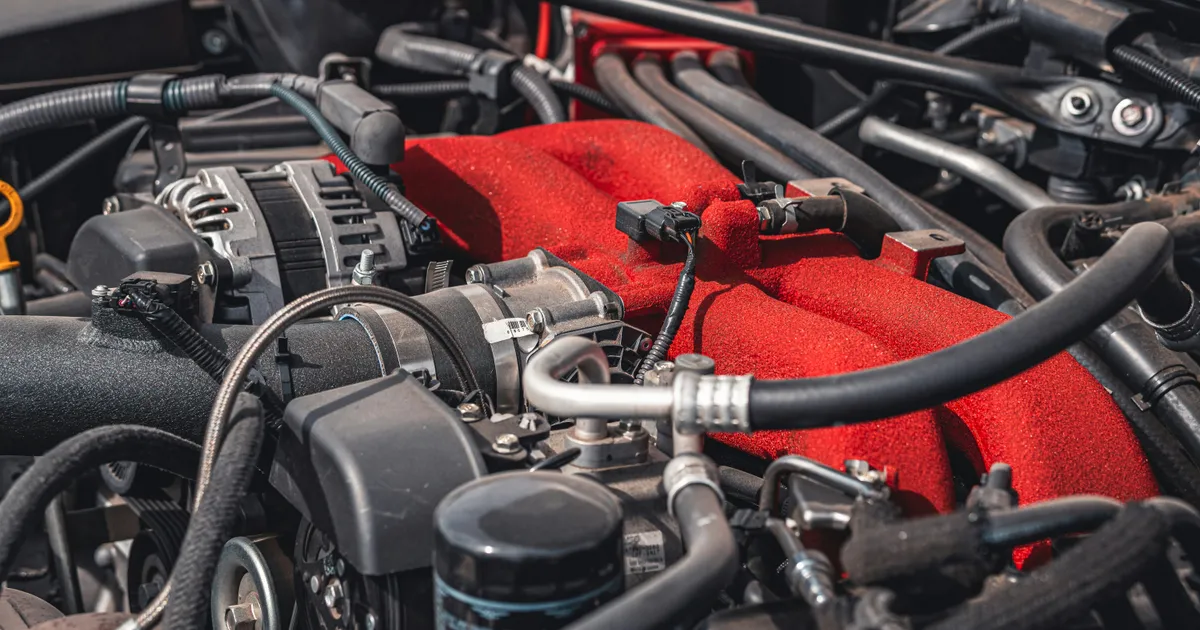
Did you know that over 30% of vehicle owners delay addressing engine performance issues, often leading to significantly more costly repairs and even complete engine failure? Understanding common automotive engine performance issues diagnosis and solutions is not just for mechanics; it is critical knowledge for any car owner. Proactive identification and resolution of these problems can save you thousands of dollars, extend your vehicle’s lifespan, and ensure a safer, more reliable driving experience. This comprehensive guide will equip you with the knowledge to recognize, diagnose, and address various engine woes, empowering you to maintain your vehicle’s optimal health.
Quick Answer: Automotive engine performance issues are often diagnosed by observing symptoms like power loss, rough idling, strange noises, or illuminated warning lights. Common solutions range from simple fixes like spark plug replacement or fuel filter changes to more complex repairs involving sensors, fuel injectors, or even internal engine components. Early diagnosis using OBD-II scanners and professional inspection is key to preventing major damage and ensuring your vehicle’s reliability.
Related Posts:
- Compact SUV Comparison: Fuel Efficiency & Safety Deep Dive
- Vehicle Overheating: Causes, Prevention, and How to Fix It
- Car Servicing Intervals: Unlock Cost Optimization Strategies
- Electric Vehicle Performance & Efficiency: 2026 Analysis & Future Outlook
- Hybrid vs Petrol Cars: Long-Term Ownership Cost & Value Analysis
Recognizing Common Engine Performance Symptoms
Identifying the early warning signs of engine trouble is the first crucial step in effective diagnosis. Many performance issues manifest through noticeable changes in your vehicle’s behavior, such as a noticeable drop in acceleration or a persistent lack of power, especially when climbing hills or accelerating onto a highway. Drivers might also experience an unusual hesitation or stuttering during acceleration, which indicates the engine is struggling to deliver its expected output. These symptoms, if ignored, can quickly escalate into more severe and expensive problems, impacting both safety and fuel economy.
Beyond power loss, other common indicators include rough idling, where the engine vibrates excessively or feels unstable while stationary, or unusual noises like knocking, ticking, or hissing sounds emanating from the engine bay. A significant decrease in fuel efficiency, where you find yourself filling up more often than usual, is another strong signal that something is amiss with your engine’s combustion process. Furthermore, changes in exhaust smoke color or persistent odors, such as burning oil or gasoline smells, should never be overlooked, as they often point to specific underlying mechanical or fuel system malfunctions requiring prompt attention.
Decoding Your Dashboard Warning Lights
Your vehicle’s dashboard is a sophisticated communication hub, and its warning lights are designed to alert you to potential problems before they become critical. The “Check Engine Light” (CEL), often depicted as an engine outline, is perhaps the most significant indicator of automotive engine performance issues. While it can signal anything from a loose gas cap to a catalytic converter failure, ignoring it is never advisable. Modern vehicles, particularly those manufactured for 2026 and beyond, use increasingly complex sensor arrays to detect even subtle deviations from optimal operation, making these lights invaluable diagnostic tools.
Other vital warning lights include the oil pressure warning, indicating insufficient oil pressure which can lead to catastrophic engine damage if not addressed immediately, and the battery light, signaling issues with the charging system. The temperature warning light alerts you to an overheating engine, a condition that can warp engine components and blow head gaskets. Understanding what each light signifies empowers you to respond appropriately, whether it’s pulling over safely to check fluid levels or heading straight to a certified mechanic. Consulting your vehicle’s owner’s manual provides detailed explanations for all specific warning indicators.
Advanced Diagnostic Tools and Techniques
When symptoms are ambiguous or the Check Engine Light illuminates, advanced diagnostic tools become indispensable for pinpointing the exact cause of engine performance issues. Professional mechanics rely on specialized diagnostic scanners that interface with your vehicle’s On-Board Diagnostics II (OBD-II) system, which has been standard on all vehicles sold in the U.S. since 1996. These scanners retrieve Diagnostic Trouble Codes (DTCs) that correspond to specific malfunctions, offering a precise starting point for troubleshooting. Beyond simple code reading, advanced tools can monitor live sensor data, perform actuator tests, and even reflash engine control units (ECUs).
Understanding OBD-II Codes
OBD-II codes are standardized alphanumeric codes that represent specific faults detected by your vehicle’s computer. For instance, a P0301 code indicates a misfire in cylinder 1, while a P0420 might point to a catalytic converter efficiency issue. While a basic code reader can retrieve these codes, understanding their context is crucial. Many codes have specific “freeze frame” data associated with them, showing engine conditions (RPM, engine load, coolant temperature) at the exact moment the fault occurred. This detailed information is vital for accurate diagnosis and prevents simply replacing parts based on a code, which might only be a symptom and not the root cause. Reputable resources like OBD-Codes.com can help interpret these codes.
Beyond code scanning, professional diagnostics often involve thorough visual inspections, listening for unusual sounds with a mechanic’s stethoscope, and utilizing specialized equipment like multimeters for electrical testing, fuel pressure gauges, and compression testers to assess engine health. Smoke machines can detect vacuum leaks, while oscilloscopes analyze sensor waveforms. Combining these tools with expert knowledge allows mechanics to accurately diagnose even the most elusive engine problems, ensuring that the correct repairs are performed the first time, preventing unnecessary expenses and repeat visits.
DIY Solutions for Minor Engine Glitches
While complex engine issues require professional expertise, many minor automotive engine performance issues diagnosis and solutions can be tackled by the savvy DIY enthusiast. For instance, a common cause of rough idling or misfires can be fouled spark plugs or worn ignition coils. Replacing these components is often a straightforward task with basic tools and can significantly improve engine smoothness and fuel economy. Similarly, a clogged air filter can restrict airflow, leading to reduced power and efficiency; swapping it out is a simple, inexpensive fix that yields immediate benefits. Always refer to your vehicle’s service manual for specific procedures and torque specifications.
Another frequently overlooked maintenance item is the fuel filter. A dirty fuel filter can restrict fuel flow to the engine, causing hesitation, stalling, or a general lack of power. While some modern fuel filters are integrated into the fuel pump assembly and are harder to access, many older models allow for relatively easy replacement. Additionally, ensuring your tires are properly inflated can impact fuel efficiency, and regularly checking and topping off engine fluids (oil, coolant, power steering fluid) prevents many common issues. Simple preventative maintenance, regularly performed, can avert a host of potential engine headaches in 2026 and beyond.
When Professional Mechanic Help is Essential
Despite the satisfaction of DIY fixes, there are definite instances where professional intervention is not just recommended, but absolutely necessary. If your vehicle exhibits severe symptoms like persistent knocking, grinding noises, or excessive smoke from the exhaust, continuing to drive it can cause irreversible damage. Issues involving the internal components of the engine, such as piston rings, valves, or crankshafts, require specialized tools, extensive mechanical knowledge, and often, engine removal, which is beyond the scope of most home mechanics. Never attempt repairs that involve disassembling major engine components without proper training and equipment.
Furthermore, complex electrical diagnostics, transmission problems, or issues related to the vehicle’s onboard computer (ECU) often demand advanced diagnostic equipment and specific software updates that only dealerships or highly specialized independent shops possess. If you’ve performed basic troubleshooting and the problem persists, or if the Check Engine Light returns after a simple fix, it’s a clear signal to seek expert help. Investing in a professional diagnosis early can prevent a small issue from spiraling into a major repair, ultimately saving you money and ensuring the safety and longevity of your vehicle. For detailed maintenance schedules, consult resources like the National Highway Traffic Safety Administration (NHTSA) for general guidelines.
Key Takeaways
- Early recognition of engine symptoms is crucial for preventing costly repairs.
- Dashboard warning lights provide vital clues for prompt diagnosis.
- Utilize OBD-II scanners and professional tools for accurate troubleshooting.
- Perform basic DIY maintenance to address minor performance issues.
- Always seek professional help for complex or severe engine problems.
Frequently Asked Questions
Why is my car losing power but not overheating?
Power loss without overheating often points to issues with the fuel system (clogged filter, weak pump, dirty injectors), ignition system (bad spark plugs, coils), or air intake (clogged air filter, vacuum leak). The engine isn’t necessarily getting too hot, but it’s not combusting fuel efficiently, leading to reduced output.
Can a dirty air filter really affect engine performance?
Absolutely. A dirty air filter restricts the amount of air entering the engine, disrupting the air-fuel mixture. This can lead to decreased horsepower, reduced fuel efficiency, and even cause the engine to run “rich” (too much fuel, not enough air), which can damage the catalytic converter over time.
What does a flashing Check Engine Light mean?
A flashing Check Engine Light typically indicates a severe engine misfire that is actively causing damage to your catalytic converter. It is a critical warning sign, and you should reduce speed, avoid heavy acceleration, and get your vehicle inspected by a mechanic as soon as possible.
How often should I get my engine professionally diagnosed?
While there’s no fixed schedule for professional diagnosis without symptoms, it’s wise to have your engine checked during routine major service intervals (e.g., every 30,000 to 60,000 miles) or if you notice any persistent changes in performance, sounds, or warning lights. Preventative diagnostics can catch issues before they escalate.
Conclusion
Mastering automotive engine performance issues diagnosis and solutions is an invaluable skill for any vehicle owner. By understanding the common symptoms, interpreting dashboard warnings, and knowing when to apply a DIY fix versus seeking professional help, you can significantly extend your vehicle’s life and ensure its reliability well into 2026 and beyond. Proactive maintenance and prompt attention to engine woes are your best defense against unexpected breakdowns and hefty repair bills. What engine issues have you successfully diagnosed or fixed yourself? Share your experiences in the comments below!