

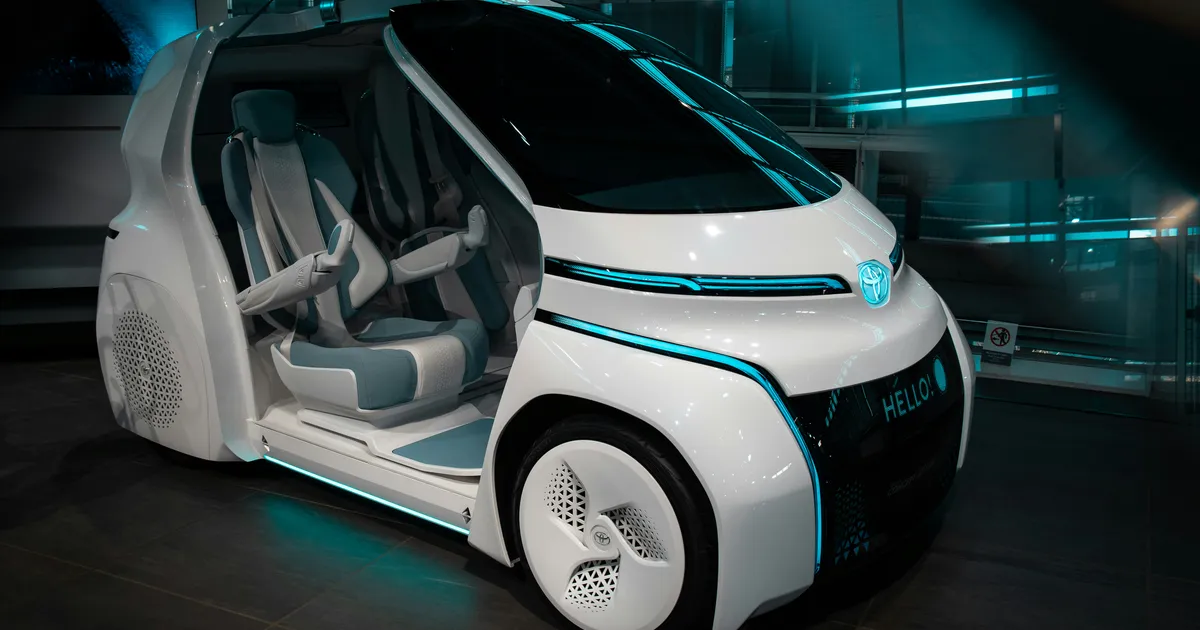
By 2030, analysts predict the global smart mobility market will exceed $300 billion, fundamentally reshaping how we move and interact with our environments. This explosive growth is driven by groundbreaking future mobility innovations and smart vehicle technologies that promise safer, more efficient, and sustainable transportation. From AI-powered autonomous systems to hyper-connected urban infrastructures, the automotive landscape is undergoing a profound transformation. Understanding these advancements isn’t just about curiosity; it’s about preparing for a future where our daily commutes and long-distance journeys are reimagined, offering unprecedented convenience and environmental benefits.
Quick Answer: Future mobility innovations encompass advanced technologies like autonomous driving, electrification, connected vehicle systems (V2X), urban air mobility, and AI-driven personalized experiences, all designed to create safer, more efficient, and sustainable transportation ecosystems.
Related Posts:
- Dashboard Warning Lights: Meanings, Causes & Troubleshooting Tips
- 2026 Premium Sedan Showdown: Performance & Comfort Deep Dive
- Vehicle Inspection Checklist for Optimal Performance: Your Essential Guide
- How to Choose the Best Car: Your Usage & Budget Strategy Guide
- Engine Oil Selection Standards 2026: The Modern Vehicle Guide
Autonomous Driving & AI Integration
The vision of self-driving cars navigating our roads independently is rapidly moving from science fiction to reality, representing a cornerstone of future mobility innovations. Advanced AI and machine learning algorithms are the brains behind these systems, enabling vehicles to perceive their surroundings, make complex decisions, and learn from every mile driven. These intelligent systems process vast amounts of data from sensors like LiDAR, radar, cameras, and ultrasonic detectors, creating a real-time, 360-degree understanding of the vehicle’s environment. The goal is not just convenience but a dramatic reduction in human error-related accidents, enhancing overall road safety significantly.
Beyond simply driving, AI is also revolutionizing in-car experiences and predictive maintenance. AI-powered assistants are becoming more sophisticated, understanding natural language commands and anticipating driver needs, from adjusting climate control to suggesting optimal routes based on real-time traffic and personal preferences. Furthermore, AI algorithms can analyze vehicle performance data to predict potential component failures, allowing for proactive maintenance and minimizing unexpected breakdowns. This integration of AI promises a future where vehicles are not just transport, but intelligent, intuitive companions, enhancing every aspect of the driving experience.
Understanding Levels of Autonomy
The Society of Automotive Engineers (SAE) has defined six levels of driving automation, from Level 0 (no automation) to Level 5 (full automation). Currently, many vehicles offer Level 2 features like adaptive cruise control and lane-keeping assistance, providing significant driver support. As we move towards Level 3, vehicles can handle specific driving tasks under certain conditions, but still require human intervention when prompted. Achieving Level 4 and Level 5, where vehicles can operate autonomously in most or all conditions without human input, presents significant technological and regulatory hurdles, but progress is steady.
Electrification & Sustainable Power
The shift towards electric vehicles (EVs) is undeniable, standing as a critical pillar of future mobility innovations aimed at combating climate change and reducing reliance on fossil fuels. Battery technology continues to advance at a remarkable pace, offering longer ranges, faster charging times, and greater energy density. Innovations in solid-state batteries, for instance, promise even more significant leaps in performance and safety, potentially reaching mass market adoption by 2026. This push for electrification extends beyond passenger cars to commercial fleets, public transportation, and even heavy-duty vehicles, creating a more sustainable transportation ecosystem globally.
However, electrification isn’t solely about the vehicles themselves; it’s also about the infrastructure supporting them. Smart charging networks, powered by renewable energy sources, are essential for a truly sustainable future. Vehicle-to-grid (V2G) technology, where EVs can feed electricity back into the grid during peak demand, represents a revolutionary concept, transforming parked cars into mobile energy storage units. This symbiotic relationship between EVs and the energy grid will be crucial for balancing renewable energy fluctuations and ensuring a resilient, clean power supply for our electrified future. Learn more about the potential of V2G technology from sources like the International Energy Agency.
Connected Vehicle Ecosystems
The concept of connected vehicles, often referred to as V2X (Vehicle-to-Everything), is transforming how cars interact with their surroundings, creating a dynamic and intelligent transportation network. V2X technology enables vehicles to communicate with other vehicles (V2V), infrastructure (V2I), pedestrians (V2P), and the cloud (V2C), sharing crucial real-time data. This constant data exchange can warn drivers of impending hazards, optimize traffic flow by dynamically adjusting signal timings, and even coordinate emergency responses, making roads significantly safer and more efficient for everyone.
Beyond safety and efficiency, connected vehicle ecosystems pave the way for entirely new services and experiences. Imagine your car communicating with your smart home, pre-heating it as you approach, or seamlessly integrating with urban smart grids to find parking and pay tolls automatically. Data generated from these connected systems will also fuel smart city initiatives, providing insights into traffic patterns, pollution levels, and infrastructure needs. This level of connectivity is not just about convenience; it’s about building intelligent environments where mobility is an integrated, seamless part of daily life, profoundly impacting urban planning and development.
Urban Air Mobility & Beyond
While ground-based innovations capture much attention, the skies are also being eyed for future mobility solutions, with urban air mobility (UAM) leading the charge. Electric Vertical Take-Off and Landing (eVTOL) aircraft are at the forefront of this revolution, promising to alleviate urban congestion by offering on-demand air taxi services. These quieter, emissions-free aircraft could transform inter-city travel and last-mile logistics, creating new paradigms for personal and commercial transport. Regulatory frameworks and robust air traffic management systems are actively being developed to safely integrate these flying vehicles into existing airspace.
The implications of UAM extend beyond just personal transport; they include rapid emergency response, efficient cargo delivery, and even aerial surveillance, offering a multi-faceted approach to urban challenges. Companies are investing heavily in prototyping and testing, with some expecting initial commercial operations for specific routes by 2026. This ambitious leap into the third dimension of transport requires significant advancements in battery technology, autonomous flight systems, and infrastructure like vertiports. For a deeper dive into the future of flight, you might explore reports from leading aerospace organizations like NASA.
Personalized User Experience & HMI
As vehicles become more autonomous and connected, the focus shifts from driving mechanics to the overall user experience and human-machine interface (HMI). Future mobility innovations prioritize intuitive, personalized interactions that cater to individual preferences and needs. This involves sophisticated voice assistants, gesture controls, and augmented reality displays that project vital information onto the windshield, creating an immersive and less distracting environment. The vehicle interior is transforming into a customizable, multi-functional space, adaptable for work, relaxation, or entertainment during autonomous journeys.
Personalization extends to proactive features, where the vehicle learns your habits and preferences over time. This could mean automatically adjusting seat positions, climate settings, or even infotainment choices based on who is in the car and their past behaviors. Biometric sensors might monitor driver alertness and health, offering personalized recommendations or even taking control in emergencies. The ultimate goal is to create a seamless, stress-free, and highly individualized mobility experience, blurring the lines between vehicle and personal assistant, ensuring comfort and safety are paramount.
Key Takeaways
- Autonomous driving, powered by advanced AI, is set to drastically improve road safety and efficiency.
- Electrification, supported by evolving battery tech and V2G networks, is crucial for sustainable transportation.
- Connected vehicle ecosystems (V2X) enable real-time communication for safer roads and smarter cities.
- Urban Air Mobility (UAM) introduces eVTOLs to alleviate congestion and revolutionize aerial transport.
Frequently Asked Questions
What are the biggest challenges for future mobility innovations?
The primary challenges include developing robust regulatory frameworks for autonomous vehicles, ensuring data security and privacy in connected ecosystems, overcoming public apprehension about new technologies, and building the necessary infrastructure for widespread EV adoption and urban air mobility. Cybersecurity in particular is a growing concern.
How will smart vehicle technologies impact urban planning?
Smart vehicle technologies will profoundly impact urban planning by reducing the need for extensive parking infrastructure, optimizing traffic flow, enabling dynamic public transportation routes, and facilitating the development of smart cities. They will also influence infrastructure design, requiring smart roads and charging stations.
When can we expect fully autonomous vehicles to be common?
While Level 5 fully autonomous vehicles are still some time away, experts generally predict that Level 4 autonomous vehicles will become more common in designated areas and specific use cases within the next decade. Widespread adoption across all driving conditions for Level 5 might be closer to 2035 or beyond, depending on regulatory and technological advancements.
What role does sustainability play in future mobility?
Sustainability is a core driver of future mobility innovations, aiming to reduce carbon emissions, decrease reliance on fossil fuels, and minimize environmental impact. This includes the widespread adoption of electric vehicles, the integration of renewable energy sources, and the development of efficient, shared mobility services to optimize resource use.
Conclusion
The landscape of future mobility innovations and smart vehicle technologies is evolving at an unprecedented pace, promising a world where transportation is safer, cleaner, and profoundly more efficient. From AI-driven autonomy to sustainable electric powertrains and the advent of urban air mobility, these advancements are not just incremental changes; they represent a fundamental paradigm shift. As we navigate towards 2026 and beyond, embracing these transformative technologies will be key to unlocking a future of seamless, intelligent, and environmentally responsible movement for everyone.