

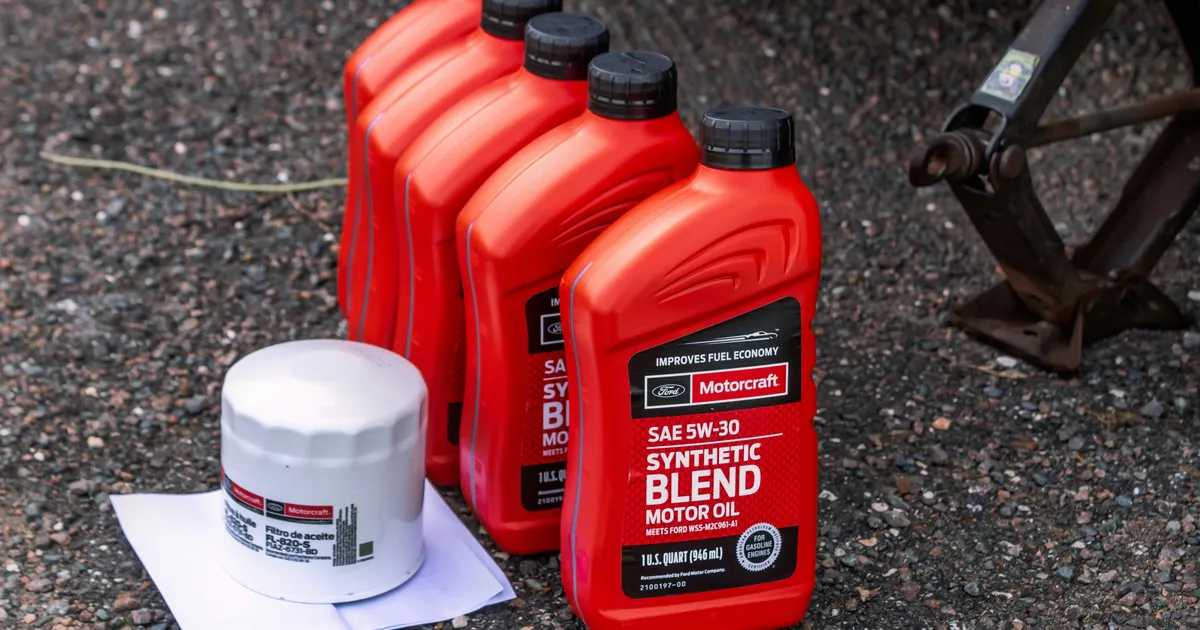
Did you know that by 2026, using the wrong engine oil could void your new car’s warranty and significantly shorten its lifespan by up to 20%? The landscape of automotive engineering is evolving rapidly, making engine oil selection standards for modern vehicles 2026 more critical and complex than ever before. With advancements in engine design, emissions regulations, and fuel efficiency demands, choosing the correct lubricant is no longer a simple task of picking a common viscosity. This comprehensive guide will equip you with the knowledge to navigate these complexities, ensuring your vehicle performs optimally and lasts longer, protecting your investment for years to come.
Quick Answer: For modern vehicles in 2026, engine oil selection primarily hinges on three factors: meeting the manufacturer’s specific OEM approval (e.g., Dexos, VW 504 00), adhering to the correct viscosity grade (e.g., 0W-20, 5W-30) as specified in your owner’s manual, and complying with the latest industry standards from organizations like API (e.g., SP) and ACEA (e.g., C5), particularly for low-SAPS requirements in vehicles with advanced emission systems.
Related Posts:
- Ultimate Guide to Vehicle Safety Accessories: Standards & Recommendations
- EV Battery Advancements: Tech, Lifecycle & Future Sustainability Insights
- 2026 Premium Sedan Showdown: Performance & Comfort Deep Dive
- Dashboard Warning Lights: Meanings, Causes & Troubleshooting Tips
- Compact SUV Comparison: Fuel Efficiency & Safety Deep Dive
Understanding Viscosity Grades and Their Evolution
Engine oil viscosity, often misunderstood, is a fundamental characteristic dictating how easily oil flows at different temperatures. The Society of Automotive Engineers (SAE) grading system, like 0W-20 or 5W-30, indicates the oil’s flow characteristics when cold (the ‘W’ for winter) and when hot. Modern engines, with their tighter tolerances and sophisticated lubrication pathways, increasingly demand lower viscosity oils such as 0W-16 or even 0W-12. These thinner oils reduce internal engine friction, contributing significantly to improved fuel economy and reduced emissions, aligning perfectly with global environmental targets for 2026 and beyond.
The shift towards lower viscosity oils isn’t merely a trend; it’s a direct requirement driven by original equipment manufacturers (OEMs) to meet stringent performance and efficiency standards. Using an oil with a higher viscosity than recommended can impede proper lubrication, especially during cold starts, potentially leading to increased wear and decreased engine efficiency. Conversely, an oil that is too thin might not maintain a sufficient protective film under extreme operating conditions. Always consult your vehicle’s owner’s manual to ensure you select the precise SAE viscosity grade specified, as deviations can have serious long-term consequences for engine health.
Decoding Industry Standards: API, ACEA, and ILSAC
Beyond viscosity, engine oils are categorized by performance standards set by international bodies, providing crucial insights into their protective capabilities. The American Petroleum Institute (API) sets standards primarily for North American and some Asian vehicles, with current gasoline engine categories like API SP offering enhanced protection against low-speed pre-ignition (LSPI), timing chain wear, and improved high-temperature deposit control. Diesel engines, conversely, follow API C-series standards, which address soot handling, wear protection, and piston deposit control, critical for heavy-duty applications and modern light-duty diesels.
For vehicles manufactured in Europe and many other parts of the world, the European Automobile Manufacturers’ Association (ACEA) defines a more nuanced set of sequences (e.g., A/B for gasoline/diesel, C for catalyst-compatible low-SAPS oils). These standards often have stricter requirements regarding fuel economy, extended drain intervals, and compatibility with sensitive emission after-treatment systems like diesel particulate filters (DPFs) and gasoline particulate filters (GPFs). The International Lubricant Specification Advisory Committee (ILSAC) combines aspects of API and energy conservation, with its latest GF-6 specification building upon API SP to emphasize fuel efficiency and protection for turbocharged gasoline direct injection (TGDI) engines.
The Rise of Low-SAPS Oils
Low-SAPS (Sulphated Ash, Phosphorus, and Sulphur) oils, typically identified by ACEA C-series specifications (e.g., C3, C5), are increasingly vital for modern vehicles equipped with advanced emission control systems. These oils contain reduced levels of metallic additives, which can otherwise form ash deposits that clog and degrade the efficiency of DPFs and GPFs over time. Selecting a low-SAPS oil when specified by your manufacturer is not just about engine protection; it’s essential for maintaining the longevity and effectiveness of these expensive emission components, ensuring your vehicle complies with environmental regulations and avoids costly repairs.
OEM Approvals: The Ultimate Specification
While industry standards like API and ACEA provide a baseline, many modern vehicle manufacturers go a step further by developing their own proprietary engine oil specifications, often referred to as OEM approvals. These approvals (e.g., GM Dexos, VW 504 00/507 00, Mercedes-Benz MB 229.51, BMW Longlife-04) are highly specific and tailored to the unique demands of their engine designs, materials, and operating conditions. They often incorporate stricter testing protocols than generic industry standards, ensuring the lubricant provides optimal performance, protection, and longevity for that particular brand and model.
Ignoring OEM approvals can have severe consequences, potentially leading to premature engine wear, reduced fuel efficiency, and even warranty invalidation. Always prioritize the specific OEM approval listed in your vehicle’s owner’s manual above generic API or ACEA ratings. Reputable oil manufacturers clearly state which OEM approvals their products meet on the packaging, providing a straightforward way to verify compatibility. For instance, a VW engine requiring VW 504 00 might perform sub-optimally with an oil that only meets ACEA C3, even if the viscosity is correct, due to subtle differences in additive packages and base oil formulations.
Synthetic vs. Conventional: The Modern Choice
The debate between synthetic and conventional engine oils continues, but for modern vehicles, particularly those manufactured around 2026, synthetic oils are overwhelmingly the recommended choice. Conventional oils, derived from crude oil, offer basic lubrication but break down faster under extreme temperatures and pressures, common in today’s high-performance, turbocharged engines. They are generally suitable only for older, less demanding engines that explicitly specify their use and benefit from more frequent oil changes.
Synthetic oils, on the other hand, are engineered from highly refined base oils and advanced additive packages, providing superior performance across a wider temperature range. They offer enhanced protection against wear, excellent stability against thermal breakdown, improved fuel economy, and extended drain intervals. While initially more expensive, the long-term benefits of synthetic oils—such as reduced engine wear, better fuel efficiency, and potentially fewer oil changes—often outweigh the higher upfront cost, making them a cost-effective choice for safeguarding your modern vehicle’s engine. For further reading on synthetic oil benefits, you can consult API’s guide to synthetic engine oil.
Impact of Modern Engine Technologies
Today’s engines are marvels of engineering, incorporating technologies like turbocharging, direct fuel injection (GDI), variable valve timing, and cylinder deactivation. These innovations significantly enhance power output, fuel efficiency, and reduce emissions, but they also place immense stress on engine lubricants. Turbochargers, for instance, expose oil to extreme temperatures, potentially leading to coking and sludge formation without the right formulation. GDI engines are susceptible to low-speed pre-ignition (LSPI), a phenomenon that can cause severe engine damage, which newer oil standards like API SP are specifically designed to mitigate.
Furthermore, stop-start systems, common in many modern vehicles, increase the frequency of engine restarts, leading to more cold-start wear if the oil isn’t formulated for rapid lubrication. Hybrid vehicles also present unique lubrication challenges, as their internal combustion engines often operate intermittently and at varying temperatures. The sophisticated additive packages in modern engine oils are precisely engineered to counteract these stresses, providing robust protection against wear, deposits, and corrosion. Choosing an oil that explicitly supports these technologies is crucial for maintaining engine integrity and performance over the vehicle’s lifespan. For more on advanced engine technologies, explore resources from SAE International.
Key Takeaways
- Always consult your vehicle’s owner’s manual for the precise engine oil specifications, prioritizing OEM approvals.
- Select the correct SAE viscosity grade (e.g., 0W-20, 5W-30) to ensure optimal lubrication and fuel efficiency.
- Verify that the chosen oil meets the latest industry standards (API SP, ACEA C-series, ILSAC GF-6) for enhanced protection against modern engine issues like LSPI.
- For vehicles with advanced emission systems (DPF/GPF), low-SAPS oils (ACEA C-series) are mandatory to prevent damage and maintain compliance.
Frequently Asked Questions
What happens if I use the wrong viscosity of oil?
Using an incorrect viscosity oil can lead to several problems. If the oil is too thick, it may not circulate quickly enough during cold starts, causing increased wear and reduced fuel economy. If it’s too thin, it might not maintain a sufficient protective film under high operating temperatures, leading to metal-to-metal contact and accelerated wear. Always adhere to the viscosity recommended by your vehicle manufacturer.
Can I mix different brands or types of engine oil?
While most modern engine oils are generally compatible, mixing different brands or types (e.g., synthetic with conventional) is generally not recommended. Doing so can dilute the carefully balanced additive packages, potentially compromising the oil’s performance characteristics and protective qualities. It’s best to stick to one type and brand of oil that meets your vehicle’s specifications.
How often should I change my engine oil in 2026?
Oil change intervals vary widely depending on your vehicle’s make, model, year, the type of oil used (conventional vs. synthetic), and your driving conditions. Modern vehicles with synthetic oils often have extended intervals, sometimes up to 10,000-15,000 miles or more, guided by the vehicle’s oil life monitoring system. Always refer to your owner’s manual for the precise recommended interval for your specific vehicle and driving style.
Is it worth paying extra for premium synthetic oil?
For most modern vehicles, especially those with advanced engine technologies like turbochargers and direct injection, premium synthetic oil is highly recommended. While it costs more upfront, synthetics offer superior protection against wear, better fuel economy, enhanced performance in extreme temperatures, and often allow for longer oil change intervals, potentially saving money and extending engine life in the long run. It’s a worthwhile investment for safeguarding your vehicle.
Conclusion
Navigating engine oil selection standards for modern vehicles 2026 requires a proactive and informed approach. By understanding viscosity, industry standards, and crucially, your vehicle’s specific OEM approvals, you empower yourself to make the best choice. This commitment ensures optimal engine performance, extends vehicle lifespan, and safeguards your investment against the evolving demands of automotive technology. Make informed choices; your engine will thank you.