

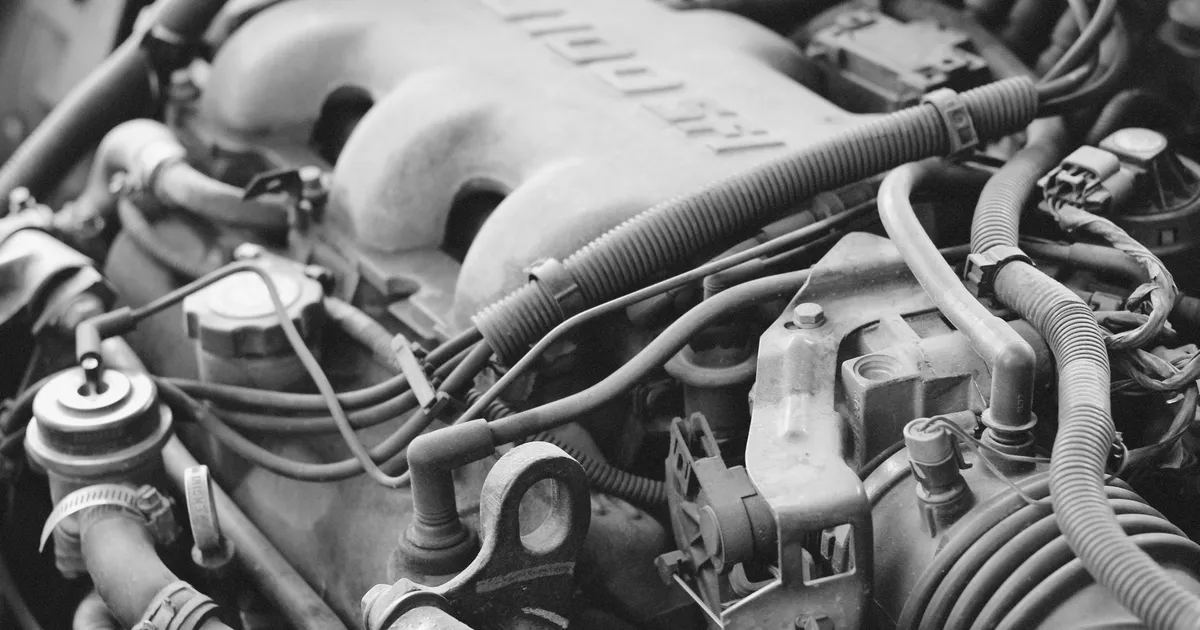
The long term reliability ratings of modern downsized turbocharged three cylinder engines have become a critical metric for automotive consumers as manufacturers shift away from larger displacement naturally aspirated powerplants. This transition is driven primarily by stringent global emissions regulations and the demand for higher fuel efficiency without sacrificing peak performance. By 2026, these compact, high-output engines are expected to dominate the entry-level and mid-range vehicle segments across Europe, Asia, and North America. While early iterations faced skepticism regarding their durability, advancements in metallurgy and electronic control systems have significantly altered the landscape. Understanding how these engines handle the physical stresses of high boost pressures over 150,000 miles is essential for making an informed purchasing decision in today’s rapidly evolving automotive market.
Engineering Philosophy and Thermal Stress Dynamics
The engineering philosophy behind downsizing centers on reducing internal pumping losses and overall engine weight to maximize thermal efficiency. By utilizing a three-cylinder configuration, manufacturers eliminate the friction associated with a fourth piston and valve train assembly. However, to maintain the power output of a larger engine, these units rely on high boost pressures from turbochargers, which significantly increases the Brake Mean Effective Pressure. This elevated internal pressure places immense stress on the crankshaft bearings and head gaskets, necessitating robust design interventions. Engineers must balance the desire for lightweight components with the physical reality that higher pressures generally lead to faster component fatigue if not managed through superior cooling.
- EV Charging Trends: Evaluating Accessibility for an Inclusive Future
- Electric vs. Hybrid: Which Saves You More Long-Term?
- Unveiling Tomorrow: Future Mobility Innovations & Smart Vehicle Technologies
- 7 Hidden Vehicle Depreciation Factors Online Valuation Tools Always Miss
- The Essential Vehicle Preventive Maintenance Schedule for Long-Term Performance
Thermal management is the second pillar of ensuring these engines reach high mileage without failure. Unlike larger engines that have more surface area to dissipate heat, compact three-cylinder units must manage high temperatures within a much smaller physical footprint. Modern designs often incorporate integrated exhaust manifolds that are cooled by the engine’s coolant jacket, which helps reduce exhaust gas temperatures before they reach the turbocharger. This technology protects the turbocharger from cracking and allows the engine to run a more efficient air-fuel ratio under load. By 2026, we expect even more sophisticated split-cooling systems that prioritize heating the cabin while keeping the cylinder head at optimal operating temperatures to prevent warping.
Material Advancements in Modern Engine Blocks
To address the inherent stresses of downsizing, manufacturers have turned to advanced material science to bolster the structural integrity of engine blocks. Many modern three-cylinder engines now utilize Compacted Graphite Iron or high-grade aluminum alloys reinforced with cast-iron liners to provide the necessary rigidity. CGI offers a significantly higher tensile strength and stiffness compared to traditional gray iron, allowing for thinner wall sections without compromising the engine’s ability to withstand high combustion pressures. This material innovation is crucial for preventing block distortion over time, which can lead to oil consumption and loss of compression. These advancements ensure that the foundation of the engine remains stable throughout its operational lifespan.
Beyond the block itself, internal components such as pistons and connecting rods have undergone significant refinement to handle the increased loads. Many manufacturers now employ forged steel connecting rods and pistons with specialized friction-reducing coatings, such as Diamond-Like Carbon. These coatings are essential for minimizing wear during cold starts and under high-load conditions where the oil film might be thin. Furthermore, the use of sodium-filled exhaust valves has become more common in these small-displacement engines to facilitate better heat dissipation from the combustion chamber. According to research published by SAE International, these material improvements are the primary reason why modern downsized engines can match the durability of larger powerplants.
Turbocharger Longevity and Lubrication Standards
The turbocharger is often perceived as the weak link in the long term reliability ratings of modern downsized turbocharged three cylinder engines, but engineering has mitigated many failure points. Current turbocharger designs utilize electronic wastegates that provide precise control over boost pressure, reducing the likelihood of over-boost scenarios that can damage the engine. Additionally, the move toward water-cooled bearing housings has virtually eliminated the coking issue, where oil would bake inside a hot turbo after the engine was turned off. By circulating coolant through the turbocharger even after the ignition is killed, manufacturers have significantly extended the life of the turbine shaft and bearings, allowing them to last the life of the vehicle.
Lubrication plays a pivotal role in turbocharger longevity, as the turbine shaft can spin at speeds exceeding 200,000 RPM. This requires a constant supply of high-quality synthetic oil that can resist shear and thermal breakdown. Manufacturers have responded by specifying ultra-low viscosity oils, such as 0W-20, which flow quickly to the turbocharger during cold starts. However, this puts a greater emphasis on the owner’s commitment to strict oil change intervals, as even minor contamination can lead to bearing wear. Failure to adhere to these schedules is the most common cause of premature turbo failure. Expert analysis from Consumer Reports suggests that vehicles using these engines require more frequent oil monitoring than their predecessors.
Maintenance Protocols for High-Output Small Engines
Maintenance protocols for downsized turbocharged engines are more demanding than those for traditional engines due to the higher operating temperatures. One of the most significant challenges is the accumulation of carbon deposits on the intake valves, a common byproduct of Gasoline Direct Injection. Because fuel is sprayed directly into the combustion chamber, it does not wash over the intake valves to clean them, leading to carbon choking over time. This can result in reduced airflow, rough idling, and a decrease in fuel economy. To combat this, some manufacturers have introduced dual-injection systems that combine GDI with port injection, effectively cleaning the valves while maintaining the efficiency benefits of direct injection technology.
Another critical factor in long-term health is the prevention of Low-Speed Pre-Ignition, a phenomenon where the air-fuel mixture ignites prematurely at low speeds. LSPI can cause catastrophic engine failure by shattering pistons or bending connecting rods in a single event. To prevent this, modern engine management software is programmed to avoid high-load situations at low RPMs, and specialized motor oils have been developed specifically to suppress LSPI. Owners must be vigilant about using the correct oil grade and high-quality fuel to ensure the engine’s safety. Regular spark plug replacement is also vital, as the high-intensity sparks required for turbocharged combustion can wear out electrodes faster than usual.
Internal Timing Components and Lubrication Systems
The choice between a wet timing belt—one that runs through the engine oil—and a traditional timing chain has a profound impact on long-term reliability. Wet belts were initially praised for their quiet operation and reduced friction, but real-world data has shown that they are highly sensitive to oil quality. If the wrong oil is used, the belt can degrade and shed debris, which then clogs the oil pickup tube and leads to total engine failure. Conversely, timing chains offer greater durability but require high-quality lubrication to prevent chain stretch. Understanding which system your engine uses is paramount for planning long-term maintenance and avoiding the most common catastrophic failure modes.
Comparative Reliability Across Major Manufacturers
When analyzing the long term reliability ratings of modern downsized turbocharged three cylinder engines, a clear distinction emerges between different manufacturing philosophies. Brands like Toyota and Honda have focused on over-engineering their three-cylinder units, often incorporating features from their high-performance racing divisions. For instance, Toyota’s G16E-GTS engine uses multi-oil jet piston cooling and a large-diameter exhaust to manage heat, resulting in exceptional durability ratings. On the other hand, some European manufacturers have struggled with early iterations of their small engines, particularly regarding plastic cooling components and complex variable valve timing systems. Recent data indicates that the gap is narrowing as brands refine their designs based on a decade of real-world feedback.
The following table provides a snapshot of how different three-cylinder engine families compare in terms of their projected reliability and common maintenance focus areas. While most of these engines are designed to reach the 150,000-mile mark, the cost of ownership can vary significantly based on the complexity of their turbocharging and injection systems. Vehicles produced closer to 2026 benefit from third or fourth-generation refinements, which have addressed many of the teething issues found in the previous decade. Consumers should prioritize engines that have a proven track record in high-mileage fleet applications, as these often represent the most robust designs currently available on the market for daily commuting and travel.
| Engine Family | Manufacturer | Timing Type | Reliability Rating |
|---|---|---|---|
| 1.0L EcoBoost | Ford | Wet Belt/Chain | Moderate |
| 1.2L PureTech | Stellantis | Wet Belt | Variable |
| 1.5L Dynamic Force | Toyota | Timing Chain | High |
| 1.0L TSI | Volkswagen | Timing Belt | High |
Future Outlook and Resale Value Trends for 2026
As we approach 2026, the market’s perception of three-cylinder engines is shifting from one of skepticism to general acceptance. The initial fears that these stressed engines would fail prematurely have been largely debunked by the millions of units currently operating with high mileage. Consequently, resale values for vehicles equipped with these powerplants are stabilizing, particularly for models that have documented service histories. The integration of mild-hybrid technology has also helped these engines by offloading some of the high-torque demands to an electric motor, further reducing the physical strain on the internal combustion components. This synergy between electrification and downsizing is likely to define the next decade of automotive engineering and confidence.
However, the long-term success of these engines in the used car market will depend heavily on the second-owner effect. While the first owner may follow the manufacturer’s maintenance schedule, subsequent owners who neglect oil changes may experience the inherent fragility of high-strung, small-displacement units. By 2026, diagnostic tools and onboard telematics will make it easier for buyers to verify how an engine has been treated throughout its life. Engines that have been subjected to frequent short trips without reaching operating temperature will show more wear than those used for highway cruising. Ultimately, the three-cylinder engine is not inherently unreliable, but it is less forgiving of neglect than the over-built engines of the past.
Key Takeaways
- Modern three-cylinder engines use advanced materials like CGI to handle high boost.
- Turbocharger life is extended through water-cooled bearings and electronic wastegates.
- Strict adherence to synthetic oil change intervals is mandatory for long-term health.
- Carbon buildup remains a concern for GDI-only models, requiring periodic cleaning.
- By 2026, mild-hybrid integration will further enhance the durability of these units.
- Timing component choice significantly impacts maintenance costs and failure risks.
Frequently Asked Questions
Do three-cylinder engines vibrate more than four-cylinder units?
Yes, due to their inherent imbalance, three-cylinder engines naturally produce more vibration. However, manufacturers use balance shafts and sophisticated engine mounts to neutralize these forces. In modern vehicles, the difference is often imperceptible to the driver.
What is the average lifespan of a modern turbocharged engine?
With proper maintenance, a modern turbocharged three-cylinder engine is designed to last between 150,000 and 200,000 miles. The key to reaching this milestone is using the correct oil and avoiding excessive heat soak after high-speed driving.
Is carbon buildup a significant issue for these powerplants?
Carbon buildup on intake valves is a known issue for GDI engines. Owners can mitigate this by using high-quality fuel, performing occasional high-load drives, or choosing engines that utilize dual-injection systems to keep valves clean.
How often should I change the oil in a downsized engine?
While many manufacturers suggest 10,000-mile intervals, experts recommend changing the oil every 5,000 to 7,500 miles. Frequent changes prevent the buildup of contaminants that can damage the turbocharger bearings and timing components.
Will these engines maintain their value in the 2026 used market?
Yes, as they become the industry standard, their resale value is expected to align with traditional engines. By 2026, the proven track record of millions of units will likely alleviate most remaining consumer concerns regarding long-term durability.
Conclusion
The long term reliability ratings of modern downsized turbocharged three cylinder engines are a testament to how far automotive engineering has progressed in a short time. While these engines operate under higher stress than their predecessors, the use of superior materials and thermal management systems has bridged the gap in longevity. For consumers, the secret to a long-lasting three-cylinder engine lies in proactive maintenance and an understanding of the technology’s specific needs. As we move toward 2026, these efficient powerplants will continue to prove that displacement is no longer the sole predictor of an engine’s life expectancy.