

The landscape of the automotive industry has shifted dramatically, making an active suspension technology comparison essential for buyers entering the entry-level luxury segment. Modern drivers no longer have to choose between the harsh rigidity of a sports car and the floaty, disconnected feel of a traditional luxury cruiser. Instead, brands like BMW, Mercedes-Benz, Audi, and Genesis are utilizing sophisticated electronic damping systems to provide a dual-purpose driving experience. This technology relies on a network of sensors that monitor road conditions, steering input, and body roll in real-time, adjusting the shock absorbers within milliseconds. As we look toward the 2026 model year, these systems have become more predictive and integrated than ever before, utilizing GPS data and forward-facing cameras to prepare the chassis for upcoming road imperfections before the tires even make contact with the asphalt.
The Fundamental Engineering of Adaptive Damping
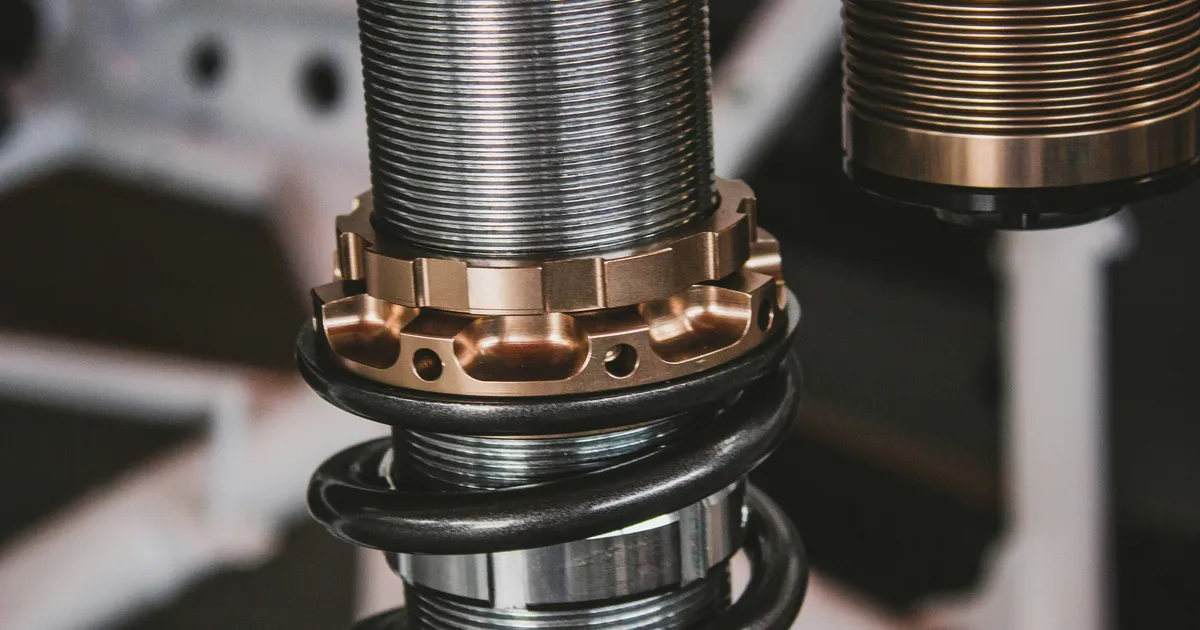
At the core of any active suspension technology comparison lies the distinction between passive and active damping components. Passive systems rely on fixed valving within the shock absorber, which provides a static compromise between comfort and handling. In contrast, adaptive systems utilize electronic solenoid valves or magneto-rheological fluid to alter the damping force dynamically. By adjusting the flow of hydraulic fluid through these valves, the vehicle’s onboard computer can stiffen the suspension during aggressive cornering to reduce body lean or soften it during highway cruising to soak up bumps. This flexibility is the primary reason why entry-level luxury vehicles can now offer performance metrics that previously required specialized aftermarket modifications or significantly higher price points in years past.
- Crossover SUVs vs. Fastback Sedans: Which Is More Aerodynamically Efficient?
- Electric Vehicle Performance & Efficiency: 2026 Analysis & Future Outlook
- EV Charging Trends: Evaluating Accessibility for an Inclusive Future
- Ultimate Car Battery Failure: Analysis & Replacement Guide
- How to Choose the Best Car: Your Usage & Budget Strategy Guide
The integration of high-speed processors has allowed these systems to operate at frequencies exceeding 100 Hz, meaning the suspension can re-evaluate its settings every ten milliseconds. According to engineering standards set by SAE International, the latency between sensor detection and actuator response is the critical metric for suspension efficacy. In the current market, entry-level luxury brands are increasingly standardizing these systems, moving them from expensive optional packages to standard equipment on mid-trim models. This democratization of technology ensures that even the most affordable luxury sedans provide a level of composure and refinement that was once the exclusive domain of flagship limousines. As software-defined vehicles become the norm by 2026, these suspension systems will receive over-the-air updates to further refine their damping algorithms.
BMW Adaptive M Suspension Performance
BMW has long been the benchmark for driving dynamics, and their Adaptive M Suspension is a central component of that reputation in the entry-level luxury space. Utilizing a sophisticated array of sensors that measure longitudinal and lateral acceleration, the system continuously adjusts each damper individually. In the 3 Series and 4 Series models, the Adaptive M setup allows the driver to toggle between Comfort, Sport, and Sport Plus modes, each drastically altering the vehicle’s personality. The hardware is designed to minimize unsprung mass, allowing the wheels to respond more quickly to road irregularities while maintaining a firm connection to the pavement. This ensures that the “Sheer Driving Pleasure” mantra remains intact even as vehicles become heavier due to hybridization and safety requirements.
The brilliance of the BMW system lies in its ability to mask the weight of modern vehicles through aggressive rebound control and compression management. When the driver enters a sharp turn, the outer dampers stiffen almost instantly to counteract centrifugal forces, keeping the car flat and predictable. Conversely, when the system detects a steady-state cruise on a highway, it relaxes the valving to allow for greater wheel travel, effectively isolating the cabin from high-frequency vibrations. For the upcoming 2026 model cycles, BMW is expected to further integrate these dampers with their xDrive all-wheel-party systems, creating a holistic chassis control environment that manages torque vectoring and damping simultaneously for unparalleled agility in the entry-level luxury segment.
Mercedes-Benz Agility Control and Air Systems
Mercedes-Benz approaches the active suspension technology comparison from a perspective of “refined isolation,” prioritizing occupant comfort above all else. Their Agility Control system, often found in the C-Class, utilizes a selective damping system that works mechanically but is frequently paired with electronic air suspension in higher trims. The electronic version, known as Airmatic, uses air springs instead of traditional coils, allowing for variable ride height and a truly “cloud-like” experience. By adjusting the air pressure within the bellows, the vehicle can lower itself at high speeds to improve aerodynamics and fuel efficiency, or raise itself to clear steep driveways. This level of versatility is a hallmark of the Mercedes-Benz engineering philosophy regarding chassis management.
What sets the Mercedes-Benz system apart is its focus on frequency-selective damping, which can distinguish between large road undulations and small, high-frequency vibrations. This allows the car to remain stable during large dips while remaining incredibly soft over coarse pavement textures. Many owners find that the Mercedes-Benz setup provides the most relaxed environment for long-distance commuting, as the system excels at filtering out the “white noise” of the road. Industry experts at ZF Friedrichshafen, a major supplier of these components, note that the integration of camera-based “Road Surface Scan” technology is the next frontier for this segment. This technology allows the car to see potholes and adjust the damping before the wheel strikes them, a feature once reserved for the S-Class.
Audi Drive Select and Magnetic Ride Logic
Audi occupies a unique middle ground in the active suspension technology comparison, blending the sportiness of BMW with the refinement of Mercedes-Benz. Their primary tool is Audi Drive Select, which governs the behavior of the adaptive dampers found in the A4 and A5 lineups. Audi frequently employs a system of electronically controlled valves, but in their higher-performance “S” variants, they have historically utilized Magneto-Rheological (MR) dampers. These dampers contain a specialized fluid filled with tiny metallic particles that align when an electromagnetic field is applied, changing the fluid’s viscosity almost instantaneously. This allows for a range of damping force that is wider than traditional valve-based systems, providing exceptional control during high-speed maneuvers.
The Nuance of Magnetic vs. Electronic Valves
While electronic valve systems are more common in the entry-level luxury segment due to cost-effectiveness, Audi’s use of MR technology provides a distinct advantage in response time. An MR damper can change its state in as little as five milliseconds, which is significantly faster than a mechanical valve can open or close. This speed allows the suspension to react to individual pebbles or expansion joints with surgical precision. For the average driver, this translates to a car that feels “buttoned down” and secure, regardless of how poor the road surface may be. Audi’s focus on Quattro all-wheel drive also means the suspension is tuned to manage the specific weight distribution and traction requirements of a front-biased AWD system.
Beyond the hardware, Audi’s software integration is often cited as the most user-friendly in the industry. The Drive Select interface allows drivers to customize individual parameters, such as setting the suspension to “Comfort” while keeping the steering and engine in “Dynamic” mode. This level of granular control is highly valued by enthusiasts who want to tailor the vehicle to their specific commuting environment. As we move closer to 2026, Audi is expected to leverage more AI-driven algorithms to learn driver preferences and automatically adjust the damping based on historical behavior and frequent routes. This evolution will further cement Audi’s position as a technology leader in the competitive entry-level luxury market.
Lexus AVS and Genesis Electronic Control
The entry-level luxury segment has seen a massive influx of quality from Asian manufacturers, specifically Lexus and Genesis. The Lexus Adaptive Variable Suspension (AVS) system is designed with a focus on longevity and seamless operation, offering up to 650 levels of damping force adjustment. Found in the Lexus IS and ES models, AVS works to minimize body roll and improve steering response without sacrificing the brand’s legendary ride quality. Lexus engineers prioritize a “linear” feel, ensuring that the transition between different damping states is imperceptible to the passengers. This creates a cohesive driving experience that feels expensive and well-engineered, often outlasting the electronic systems found in European rivals in terms of long-term reliability.
Genesis, the luxury arm of Hyundai, has disrupted the market with its Electronically Controlled Suspension (ECS) with Road Preview. This system, found in the G70 and G80, uses a front-facing camera to scan the road ahead and adjust the damping in anticipation of bumps. This is a feature that was previously unheard of in the entry-level luxury price bracket. Reviews from Car and Driver often highlight how Genesis has managed to bridge the gap between value and high-end tech, offering a chassis that feels as sophisticated as the German stalwarts. The Genesis ECS system is particularly adept at managing vertical body motion, ensuring that the car remains level even when traversing undulating backroads at high speeds.
Active Suspension Comparison and Market Outlook
When performing an active suspension technology comparison, it becomes clear that the “best” system depends heavily on the driver’s priorities. BMW remains the king of lateral control and feedback, making it the choice for those who enjoy the act of driving. Mercedes-Benz wins on pure isolation and the ability to turn a stressful commute into a serene experience. Audi provides the most balanced and technologically advanced interface, while Genesis offers the most features for the dollar, including predictive camera tech. As 2026 approaches, the gap between these brands is narrowing, as they all move toward a more integrated, software-defined approach to chassis management that prioritizes both safety and comfort.
| Brand | System Name | Primary Benefit | Technology Type |
|---|---|---|---|
| BMW | Adaptive M Suspension | Handling & Agility | Electronic Solenoid Valves |
| Mercedes-Benz | Airmatic / Agility Control | Maximum Comfort | Air Springs & Selective Damping |
| Audi | Audi Drive Select | Technological Balance | Electronic Valves / MR Fluid |
| Lexus | AVS (Adaptive Variable) | Reliability & Smoothness | High-Frequency Solenoids |
| Genesis | ECS with Road Preview | Predictive Response | Camera-Linked Electronic Damping |
The future of active suspension technology will likely involve a shift toward 48-volt electrical architectures, which allow for even more powerful actuators. These systems can not only dampen road forces but actively push the wheels down into dips or pull them up over bumps, effectively “canceling out” the road’s topography. This level of active body control was once limited to the most expensive vehicles on the planet, but it is rapidly trickling down. By the time the 2026 models are fully integrated into the market, we expect entry-level luxury cars to offer ride qualities that surpass what the flagships of a decade ago could achieve, making the suspension system one of the most critical factors in a new car purchase.
Key Takeaways
- Active suspension technology comparison reveals that electronic dampers are now a standard expectation in entry-level luxury vehicles.
- BMW focuses on handling and steering feedback, while Mercedes-Benz prioritizes occupant isolation and ride plushness.
- Audi utilizes a mix of electronic valves and Magneto-Rheological fluid to provide the fastest response times in the segment.
- Genesis has introduced high-end predictive camera technology to the entry-level segment, allowing the car to “see” bumps before hitting them.
- By the year 2026, most systems will be fully integrated with GPS and AI to provide predictive damping based on driving habits.
- Maintenance of these systems is more complex than passive setups, but the benefits in safety and comfort are substantial.
Frequently Asked Questions
What is the main benefit of active suspension over passive?
Active suspension allows a vehicle to change its damping characteristics on the fly, providing a soft ride on the highway and a firm, controlled ride during spirited cornering. This eliminates the need for a single, static compromise in suspension tuning.
Is active suspension expensive to repair?
Yes, because active systems involve electronic sensors, complex wiring, and specialized dampers with internal valves, they are significantly more expensive to replace than standard shock absorbers once the vehicle is out of warranty.
Which brand offers the most comfortable ride in 2026?
Mercedes-Benz is generally considered the leader in comfort, especially when their vehicles are equipped with the Airmatic air suspension system, which provides superior isolation from road vibrations compared to traditional steel springs.
Does active suspension improve safety?
Absolutely. By keeping the tires in more consistent contact with the road and reducing body roll during emergency maneuvers, active suspension improves braking distances and stability during sudden swerves or inclement weather conditions.
Can I add active suspension to a car that didn’t come with it?
While there are aftermarket options, it is extremely difficult and costly to retrofit a factory-style active system because it requires deep integration with the vehicle’s central computer, stability control, and sensor network.
Conclusion
Choosing the right vehicle requires a thorough active suspension technology comparison to ensure the chassis dynamics align with your personal driving style. Whether you prefer the sharp, communicative nature of a BMW or the serene, predictive comfort of a Genesis, the technology available in 2026 has reached a pinnacle of refinement. These systems have transformed the entry-level luxury segment into a legitimate powerhouse of engineering, proving that you no longer need to spend six figures to experience a world-class ride. As software continues to evolve, these vehicles will only become more capable and personalized.