

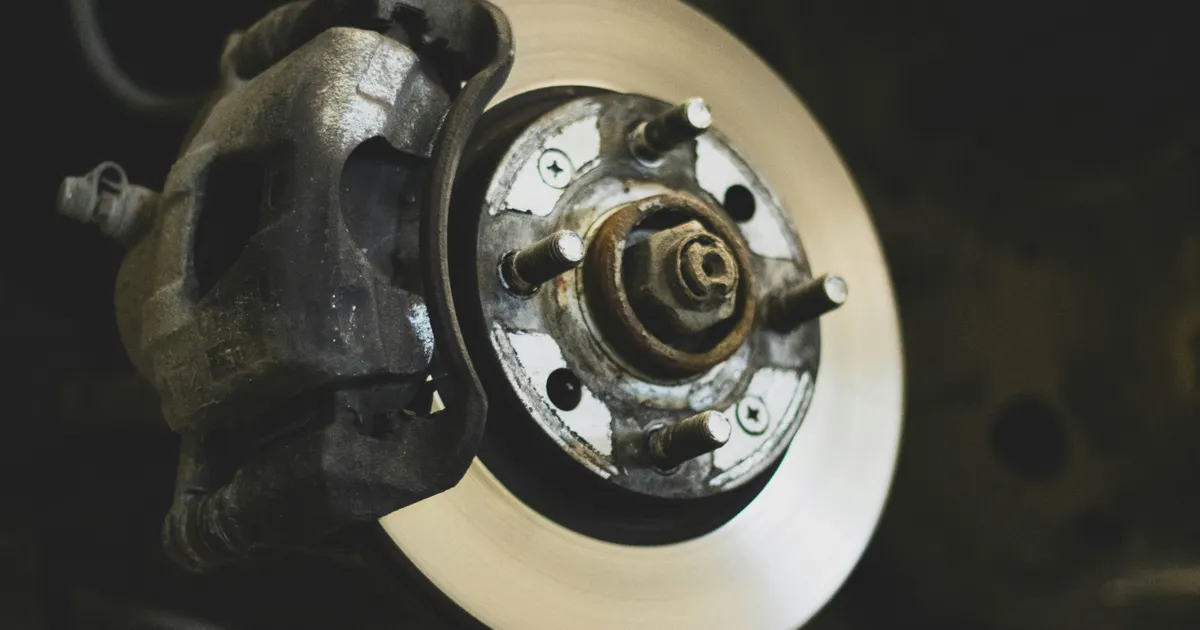
Understanding the difference between ceramic brake pads and semi-metallic pads for heavy towing loads is essential for any driver operating a heavy-duty truck or hauling significant weight. When you are descending a steep mountain grade with a 10,000-pound trailer, the kinetic energy converted into heat at the brake rotor is immense, demanding a friction material that can maintain its integrity under extreme thermal stress. While both ceramic and semi-metallic options are widely available in the 2026 automotive aftermarket, their chemical compositions lead to vastly different performance characteristics in high-demand scenarios. This article explores the metallurgical and ceramic engineering behind these components to help you determine which material provides the necessary stopping power and safety for your specific towing requirements and vehicle configuration.
Composition of Semi-Metallic Brake Pads
Semi-metallic brake pads are engineered using a robust blend of various metals, including steel, iron, copper, and graphite, bonded together with a synthetic resin. This dense metallic matrix typically comprises between 30% and 70% of the pad’s total volume, creating a material that is exceptionally durable and capable of withstanding the rigors of heavy-duty mechanical work. Because metal is an excellent conductor of heat, these pads are designed to pull thermal energy away from the braking surface and dissipate it through the caliper and surrounding atmosphere. This characteristic is vital for heavy towing, where constant friction can quickly lead to temperatures exceeding 1,000 degrees Fahrenheit on the rotor surface.
- Car Servicing Intervals: Unlock Cost Optimization Strategies
- Dashboard Warning Lights: Meanings, Causes & Troubleshooting Tips
- How to Calibrate Wireless OBD2 Software for Accurate Real-Time Sensor Data
- Why Your Car AC Blows Warm Air Only When Idling at a Stoplight
- How to Detect Hidden Structural Rust Under Rubberized Undercoating When Buying Used
Beyond their thermal conductivity, the structural rigidity of semi-metallic pads allows them to maintain a consistent friction coefficient across a wide range of operating temperatures. In a professional setting, such as commercial hauling or heavy construction transport, the ability of a pad to “bite” effectively even when cold is just as important as its performance when hot. You can find more technical data on friction material standards at the SAE International website, which outlines the testing protocols for heavy-duty braking systems. The inherent strength of the metallic fibers ensures that the pad does not compress or deform under the high hydraulic pressures required to stop a fully loaded vehicle, providing a firm and predictable pedal feel for the driver.
The Engineering Behind Ceramic Friction Materials
Ceramic brake pads represent a significant shift in friction technology, utilizing a dense ceramic compound mixed with copper fibers and other non-ferrous binding agents. These materials were originally popularized for their ability to provide quiet, low-dust braking for luxury passenger vehicles, but their application in the towing world is more nuanced. Unlike their metallic counterparts, ceramic pads act more as an insulator than a conductor, meaning they do not transfer heat away from the rotors as efficiently. Instead, they are designed to handle high temperatures within the pad material itself, though they have a lower ceiling for total thermal capacity compared to heavy-duty semi-metallic formulations used in 2026 fleet vehicles.
One of the most notable advantages of ceramic pads is the development of a “transfer layer” on the brake rotor, which facilitates a smooth and consistent braking experience. This microscopic layer of ceramic material adheres to the rotor face, allowing the pad to rub against a similar material rather than the raw iron of the rotor. This process significantly reduces the abrasive wear on the rotors and eliminates the high-pitched squealing often associated with metallic friction. However, for those engaged in extreme towing, the primary concern remains whether this transfer layer can survive the intense shearing forces generated during an emergency stop with a heavy trailer, where the shear strength of the bond is tested to its absolute limit.
Performance Comparison Under Extreme Thermal Loads
When evaluating the difference between ceramic brake pads and semi-metallic pads for heavy towing loads, heat management is the most critical factor. Heavy towing generates sustained high temperatures that can cause “brake fade,” a condition where the friction material loses its ability to grip the rotor effectively. Semi-metallic pads are the industry standard for preventing fade because their metallic content remains stable even as temperatures soar. They are less likely to experience the structural breakdown or “glazing” that can occur when ceramic materials are pushed beyond their intended thermal operating window. For drivers frequently traversing mountainous terrain, the reliability of semi-metallic compounds provides a necessary margin of safety that ceramic pads may struggle to match.
Conversely, ceramic pads are often preferred for lighter towing duties or for drivers who prioritize a clean and quiet vehicle. While they can handle moderate heat, they lack the rapid cooling properties required for back-to-back heavy braking events. If a ceramic pad is overheated, the resin binders can begin to outgas, creating a thin layer of hot air between the pad and rotor that acts like a lubricant, dangerously increasing stopping distances. For a comprehensive look at how different materials affect stopping distances, the NHTSA provides various safety reports on vehicle braking performance. In 2026, many manufacturers are moving toward hybrid formulations, but the fundamental trade-off between the heat-sink capabilities of metal and the insulating properties of ceramic remains a central engineering challenge.
Comparative Analysis of Friction Coefficients
The friction coefficient, or Mu, determines how much stopping force is generated for a given amount of pedal pressure. Semi-metallic pads typically offer a higher “cold bite,” meaning they work effectively the moment you touch the pedal, which is crucial for heavy loads that require immediate deceleration. Ceramic pads often require a brief warm-up period to reach their optimal friction coefficient, though they provide a much more linear and predictable response once they are up to temperature. For heavy towing, a high and stable friction coefficient across the entire temperature spectrum is preferred to ensure that the driver does not have to vary pedal pressure excessively during a long descent.
Durability and Wear Patterns During Heavy Towing
Durability is a two-fold consideration involving both the lifespan of the brake pad and the longevity of the brake rotor. Semi-metallic pads are inherently more abrasive due to their high metal content, which means they will wear down the iron rotors faster than ceramic pads. In heavy towing applications, it is common to see rotors develop deep grooves or significant thickness loss over time when paired with aggressive semi-metallic compounds. While this increases the long-term maintenance cost of the vehicle, it is often viewed as a necessary trade-off for the superior stopping power and heat resistance required to safely manage heavy trailers in 2026 and beyond.
Ceramic pads, on the other hand, are significantly gentler on rotors because they rely on adherent friction rather than abrasive friction. This results in a much longer rotor life and virtually eliminates the “black dust” that coats wheels after a long haul. However, the pads themselves may wear faster if they are consistently subjected to the high-heat cycles of heavy towing. If the ceramic material is pushed past its limit, it can become brittle and begin to crumble or crack, leading to premature failure. Therefore, while ceramic pads may seem more durable in a standard commuting environment, their lifespan can be drastically shortened when they are forced to perform outside of their designed light-to-medium duty specifications.
Noise, Vibration, and Harshness (NVH) Factors
Noise, Vibration, and Harshness (NVH) are major considerations for drivers who use their towing vehicles as daily commuters. Semi-metallic pads are notorious for being noisy, often producing a grinding or squealing sound, especially in cold or damp conditions. This is due to the metal-on-metal contact and the higher vibrations generated by the hard metallic fibers. For a professional driver, this noise is a small price to pay for safety, but for a consumer towing a boat or a camper, it can be a source of frustration. Advanced shim technology and slotted designs in 2026 brake pads have helped mitigate some of this noise, but the fundamental nature of the material makes it difficult to eliminate entirely.
Ceramic pads are the undisputed leaders in NVH performance, offering nearly silent operation and a much smoother pedal feel. Because the ceramic compound is softer and more dampening than metal, it absorbs much of the high-frequency vibration that causes brake noise. Additionally, the dust produced by ceramic pads is light-colored and non-conductive, meaning it does not stick to wheels or cause the unsightly corrosion often seen with metallic dust. For those who tow occasionally and prioritize the aesthetic and auditory comfort of their vehicle, ceramic pads offer a compelling alternative, provided the total weight being towed remains within the manufacturer’s recommended limits for the braking system.
Final Recommendations for 2026 Towing Vehicles
Choosing between these two materials ultimately depends on your specific towing frequency and the total weight of your loads. For those who frequently tow heavy trailers near the maximum capacity of their vehicle, especially in hilly or mountainous regions, semi-metallic pads are the only logical choice due to their superior heat management and fade resistance. The safety benefits of a pad that can handle extreme thermal loads far outweigh the downsides of increased dust and noise. As we look toward 2026, vehicle weights and towing capacities continue to rise, making the thermal efficiency of semi-metallic compounds even more critical for maintaining safe stopping distances on public highways.
If your towing is infrequent, such as moving a small trailer a few times a year, or if you primarily drive on flat terrain, ceramic pads may provide a more pleasant driving experience. They offer sufficient stopping power for light-to-moderate loads while keeping your wheels clean and your cabin quiet. It is essential to consult your vehicle’s owner manual and the specifications of the brake pad manufacturer to ensure the chosen material is rated for the Gross Combined Weight Rating (GCWR) of your rig. To help visualize these differences, the following table summarizes the key performance metrics of each material type for heavy-duty applications.
| Performance Metric | Semi-Metallic Pads | Ceramic Brake Pads |
|---|---|---|
| Heat Dissipation | Excellent (Conductive) | Poor (Insulative) |
| Brake Fade Resistance | Very High | Moderate to Low |
| Rotor Wear | High (Abrasive) | Low (Adherent) |
| Noise Level | Moderate to High | Low to Silent |
| Dust Production | High (Dark, Metallic) | Low (Light, Ceramic) |
| Cold Bite | Excellent | Moderate |
Key Takeaways
- Semi-metallic pads are the superior choice for heavy towing due to their high thermal conductivity and resistance to brake fade.
- Ceramic pads offer a quieter experience and produce less dust, making them ideal for light towing or daily driving.
- Metallic compounds are more abrasive and will lead to faster rotor wear compared to the gentler ceramic materials.
- Overheating ceramic pads during heavy hauls can lead to glazing and a dangerous loss of stopping power.
- In 2026, semi-metallic pads remain the industry standard for commercial and heavy-duty towing applications.
- Always match your brake pad choice to the Gross Combined Weight Rating (GCWR) of your vehicle and trailer.
Frequently Asked Questions
Can I switch from ceramic to semi-metallic pads on my truck?
Yes, you can switch between material types as long as the pads are designed for your specific vehicle and caliper fitment. When switching, it is highly recommended to either resurface your rotors or replace them entirely to ensure the new pad material can establish a proper friction surface without interference from the old material’s transfer layer.
Do semi-metallic pads work better in cold weather for towing?
Semi-metallic pads generally provide a better “cold bite,” meaning they offer immediate stopping power even before the brakes have warmed up. This is particularly advantageous in cold climates or for short trips where the braking system does not reach high operating temperatures quickly.
Why do my ceramic pads squeal when I am towing a heavy load?
Squealing in ceramic pads during heavy towing is often a sign of overheating or glazing. When the ceramic material is pushed beyond its thermal limit, the surface can harden and become smooth, which reduces friction and creates high-frequency vibrations that manifest as a squeal.
Are there “heavy-duty” ceramic pads available in 2026?
While some manufacturers offer heavy-duty ceramic formulations, they are typically designed for larger SUVs or light-duty trucks. For true heavy-duty towing, such as hauling fifth-wheels or commercial trailers, most experts still recommend semi-metallic or specialized fleet-grade metallic pads for maximum safety.
How often should I inspect my brakes when towing frequently?
If you tow heavy loads regularly, you should inspect your brake pads and rotors every 5,000 to 7,500 miles. Look for signs of uneven wear, heat discoloration on the rotors, or thinning of the friction material to ensure your braking system remains reliable for your next haul.
Conclusion
Selecting the right friction material is a critical decision that directly impacts the safety and performance of your towing rig. While ceramic pads offer undeniable benefits in terms of cleanliness and noise reduction, they often fall short in the extreme thermal environments created by heavy hauling. Semi-metallic pads remains the gold standard for heavy-duty applications, providing the heat dissipation and fade resistance necessary to stop massive loads reliably. By prioritizing performance over aesthetics, you ensure that your vehicle is equipped to handle the toughest challenges on the road in 2026 and beyond.