

Learning how to detect hidden structural rust underneath rubberized undercoating when buying used is a critical skill for any savvy automotive shopper in 2026. While a fresh layer of black undercoating might make a vehicle’s chassis look pristine, it often serves as a deceptive mask for terminal oxidation that compromises the vehicle’s structural integrity. Rubberized coatings are notorious for losing their bond with the metal over time, creating a microscopic gap where salt, moisture, and road debris become permanently trapped against the steel. This environment accelerates corrosion in a way that is invisible to the untrained eye until the metal has completely perforated. Understanding the nuances of these coatings and the specific red flags to look for can save you thousands of dollars in repair costs and ensure the safety of your next vehicle purchase.
The Deceptive Nature of Rubberized Undercoating
Rubberized undercoating is often marketed as a protective barrier against road noise and corrosion, but in the used car market, it is frequently used as “lipstick on a pig.” Unlike oil-based or wax-based rust inhibitors, rubberized products harden into a thick, semi-flexible shell. Over several seasons of heat cycles and road vibration, this shell can develop hairline cracks. Once moisture penetrates these fissures, it is held against the metal by the waterproof outer layer, essentially creating a greenhouse effect for iron oxide. By the time a buyer evaluates the car in 2026, the frame may look solid from a distance while being structurally hollowed out from the inside. This phenomenon is why many professional restorers view permanent rubberized coatings as a major red flag during the appraisal process.
- Elevate Your Drive: Car Interior Upgrade Accessories for Performance & Comfort
- Bidirectional Charging: Powering Your Home, Protecting Your EV Warranty
- Ultimate Car Battery Failure: Analysis & Replacement Guide
- Luxury Car Comparison: Technology, Features, and Driving Experience
- Compact SUV Comparison: Fuel Efficiency & Safety Deep Dive
To truly understand the risk, one must recognize that rust requires oxygen and moisture to thrive. When a seller applies a fresh layer of rubberized coating over existing rust without proper sandblasting and neutralization, they are sealing in the very elements that destroy steel. According to standards set by SAE International, the efficacy of any coating is entirely dependent on surface preparation. Without it, the chemical reaction of oxidation continues unabated beneath the black film. When you are inspecting a used vehicle, you must approach a “clean” undercarriage with a healthy dose of skepticism, especially if the coating appears unusually thick or uneven, as this is the primary method used to hide deep pitting and structural rot in critical areas like frame rails and crossmembers.
Spotting Visual Inconsistencies and Texture Anomalies
The first step in an expert inspection is to analyze the texture of the undercoating across the entire chassis. A factory-applied or professionally installed coating should have a relatively uniform, orange-peel texture. If you notice areas that appear “puffy,” “bubbled,” or significantly thicker than the surrounding sections, there is a high probability that the coating is lifting away from a layer of expanding rust. Rust occupies much more volume than the original steel, and as it grows, it pushes the rubberized coating outward. These protrusions are often soft to the touch and indicate that the metal underneath has already begun to delaminate. You should pay close attention to the edges of the coating where it meets bare metal or plastic components, as these are the first places where the bond fails.
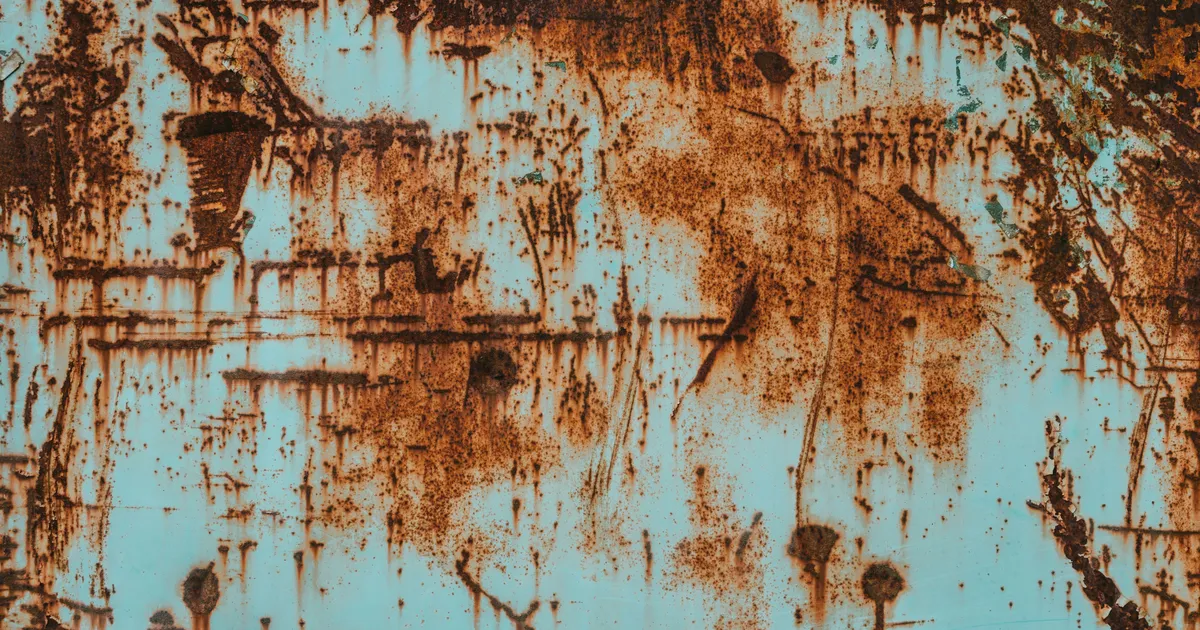
Another visual red flag is the presence of “rust bleeding” or orange staining weeping through the black coating. Even the thickest rubberized layers struggle to contain the liquid byproduct of active oxidation during wet weather. If you see streaks of orange or brown radiating from bolt holes, drain plugs, or seams, the structural rust is likely advanced. Furthermore, examine the sheen of the product; a seller might spray a cheap aerosol undercoating just days before a sale to hide fresh repairs. If the coating looks exceptionally dark and oily compared to the rest of the vehicle’s age, it is a sign of recent concealment. This level of scrutiny is essential in 2026, as older vehicles are being kept on the road longer, increasing the likelihood of hidden frame damage.
The Physical Inspection and Tap Testing Method
Since rubberized coating hides the visual evidence of rust, you must rely on your sense of touch and hearing to diagnose the health of the steel. A common tool for this is a small plastic mallet or a heavy screwdriver handle. By systematically tapping along the frame rails and body supports, you can listen for the “ring” of solid steel. A healthy frame will produce a sharp, metallic “clink” when struck. Conversely, an area plagued by hidden structural rust will produce a dull, thudding sound, similar to hitting a piece of cardboard. This muffled resonance indicates that the metal is no longer a solid, homogenous structure and has instead turned into a layered, flaky mess of iron oxide trapped behind the rubberized barrier.
In addition to tapping, you should use a firm thumb or a small pry tool to press against any suspicious-looking bulges. If the coating feels “squishy” or if you can hear a crunching sound—often referred to as the “potato chip” sound—the metal underneath has likely failed. Be particularly aggressive with your inspection around the rear wheel wells and the areas where the suspension components bolt to the frame. These locations are high-stress zones that are prone to fatigue and moisture collection. If a seller refuses to let you perform a physical tap test, it is usually a sign that they are aware of the underlying damage. Always remember that a visual inspection alone is insufficient when dealing with heavy rubberized materials.
Critical Frame Points and Suspension Mounts
When performing your physical inspection, focus heavily on the “doglegs” of the frame, which are the curved sections near the rear wheels. These areas naturally collect road spray and are the most common failure points on body-on-frame vehicles. Check the mounting perches for the coil springs or leaf spring shackles, as these are often thick with undercoating to hide thinning metal. Also, inspect the fuel tank straps and the brake line mounting clips; if these smaller components are heavily coated, it suggests a “spray-over-everything” approach that usually indicates a lack of proper maintenance. A failure in these specific structural points can lead to catastrophic mechanical failure while driving, making them the most vital areas to verify for solid metal.
Advanced Diagnostic Tools for Deep Detection
In the modern era of 2026, hobbyist mechanics have access to professional-grade tools that make detecting hidden rust much easier. One of the most effective devices is a digital borescope or endoscope. These small, flexible cameras can be snaked into factory drain holes or access ports in the frame rails. Since rubberized undercoating is rarely applied to the inside of a boxed frame, the borescope allows you to see the raw state of the metal from the reverse side. If the interior of the frame rail is shedding large flakes of rust or shows significant thinning, the exterior coating is irrelevant—the structural integrity is already compromised. This internal perspective provides the objective truth that an external visual check cannot provide.
Another sophisticated method involves the use of an ultrasonic thickness gauge. These devices send high-frequency sound waves through the coating and metal to measure the actual thickness of the steel. While these can be tricky to use over thick rubberized layers, they are invaluable for verifying the density of the metal in suspicious areas. If a frame rail should be 3mm thick but the gauge reads 1.2mm, you know that the rest has been lost to internal oxidation. For those without specialized tools, even a strong neodymium magnet can provide clues. If the magnet fails to “snap” firmly to a section of the frame that is supposedly steel, there is likely a thick layer of rust or plastic body filler hiding beneath the undercoating.
Identifying Signs of Fraudulent Concealment
When a seller is intentionally trying to hide structural rot, they often leave behind “clues of haste.” One of the most obvious signs is overspray. Look at the exhaust system, the rubber brake hoses, the electrical wiring harnesses, and the bottom of the engine oil pan. If these components are covered in black undercoating, it means the person who applied it did not take the time to mask off sensitive areas. This “blanket” application is a hallmark of a quick flip where the goal was to hide the rust as fast as possible rather than protect the vehicle. According to safety guidelines from the NHTSA, coating certain components like brake lines can actually lead to dangerous overheating or hidden leaks, further complicating the vehicle’s safety profile.
You should also look for “clean” undercoating on a vehicle that is otherwise dirty or shows signs of neglect. If the engine bay is covered in oil and the interior is torn, but the underside is a pristine, uniform black, the math doesn’t add up. Similarly, check the hardware. On a naturally aging vehicle, the bolt heads and nuts should show some signs of wear or slight surface tarnish. If every bolt head is perfectly encapsulated in thick rubber, it was likely sprayed over recently to hide the fact that the hardware is rusted into place and cannot be safely removed for repairs. This type of concealment is a major red flag that suggests the vehicle may not even be able to pass a basic safety inspection without significant structural welding.
Professional Evaluation and the Final Verdict
If you are still unsure about the condition of a vehicle after your initial check, the most prudent move is to take it to a reputable collision repair shop for a pre-purchase inspection. Professionals have the benefit of a hydraulic lift, which allows for a much more thorough examination than crawling on the ground with a flashlight. A technician can use a pneumatic needle scaler in a discreet area to see if the coating chips away to reveal shiny metal or red dust. They can also check for frame alignment; often, structural rust causes the frame to sag or twist, which can be measured with precision lasers. As noted by Consumer Reports, a professional inspection is the single best investment you can make when buying a used car.
Ultimately, detecting hidden structural rust is about looking for what the seller doesn’t want you to see. If the undercoating feels like it is hiding a secret, it probably is. In 2026, with the rising cost of both used vehicles and specialized labor, buying a car with a “rotted out” frame can be a financial death sentence for the vehicle. It is better to walk away from a deal that seems too good to be true than to risk the safety of yourself and your passengers. A vehicle with a transparently maintained underside, even one with minor surface rust that has been properly treated with oil-based inhibitors, is always a safer bet than a mystery machine covered in fresh rubberized goop.
Key Takeaways
- Rubberized undercoating often traps moisture against the frame, leading to “invisible” structural rot.
- Use a “tap test” with a mallet to listen for dull thuds that indicate hollowed-out or delaminated metal.
- Look for puffy textures, bubbles, or orange weeping as primary visual indicators of active corrosion.
- Check for overspray on the exhaust and brake lines as a sign of a hasty, deceptive application.
- Use a borescope to inspect the interior of boxed frame rails where coatings aren’t usually applied.
- If the undercarriage looks “too clean” compared to the rest of the car’s condition, suspect recent concealment.
Frequently Asked Questions
Is all rubberized undercoating bad for a used car?
Not necessarily, but it is the most common material used to hide damage. If applied to a brand-new, perfectly clean chassis, it can provide some protection. However, on a used vehicle, it is almost always used to cover existing issues, making it a high-risk factor for buyers.
Can I remove a small section of the coating to check the metal?
You should always ask the seller for permission first. If they are confident in the vehicle’s condition, they may allow you to scrape a small, inconspicuous area. If they refuse, you should take that as a sign that they are hiding something and consider walking away from the deal.
What is the difference between rubberized coating and fluid film?
Rubberized coating hardens into a solid shell that can crack and trap moisture. Fluid film and other lanolin-based or oil-based products remain “wet” and creep into crevices, displacing moisture rather than sealing it in. Oil-based products are much harder to use for hiding structural rust because they are translucent.
How much does it cost to fix structural frame rust?
Repairing structural rust is incredibly expensive, often ranging from $2,000 to $7,000 depending on the severity. In many cases, if the rust is located near suspension mounting points, the vehicle may be considered a total loss because the labor required to safely weld in new sections exceeds the car’s value.
Will a vehicle with hidden rust pass a state inspection?
It depends on the state and the inspector. Many inspectors will fail a vehicle if they can poke a hole through the frame with a screwdriver. However, if the rust is well-hidden by a thick coating, it might pass a visual check but still be unsafe in a high-speed collision or emergency maneuver.
Conclusion
Mastering the art of how to detect hidden structural rust underneath rubberized undercoating when buying used is an essential safeguard for your automotive future. As we navigate the used car market in 2026, the prevalence of cosmetic cover-ups requires a more technical and tactile approach to vehicle appraisal. By combining visual cues, physical sound tests, and modern diagnostic tools like endoscopes, you can see through the deception of a “freshly painted” underside. Never prioritize a clean appearance over structural integrity, and always remember that a solid, honest frame is the foundation of a safe and reliable vehicle. Taking the time to perform a rigorous inspection now will prevent the heartbreak of discovering a terminal rust problem later.