

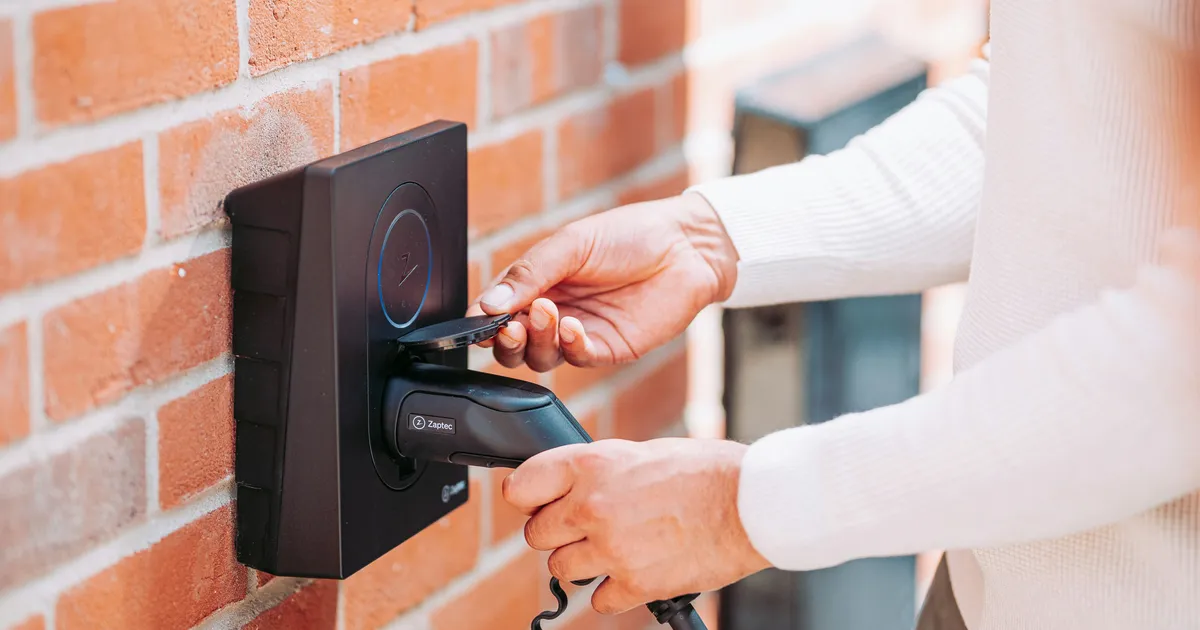
The impact of bidirectional charging on home energy grid and vehicle warranty is becoming a central topic of discussion as electric vehicles transition from mere transportation tools to sophisticated mobile energy storage units. This technology, often categorized into Vehicle-to-Home (V2H) and Vehicle-to-Grid (V2G) systems, allows the stored energy within an EV battery to flow back into a residence or the broader electrical infrastructure. By 2026, experts anticipate that a significant percentage of new electric models will arrive factory-equipped with this capability, fundamentally altering how we perceive domestic energy management. However, as homeowners seek to leverage their car batteries to lower utility bills or provide emergency backup during blackouts, questions regarding the long-term health of the battery and the legal protections offered by manufacturers remain paramount for early adopters and industry stakeholders alike.
The Evolution of Bidirectional Charging Technology
Bidirectional charging represents a paradigm shift in the relationship between the automotive and energy sectors, moving beyond the traditional one-way flow of electricity. Historically, electric vehicles were passive consumers of energy, drawing power from the grid to replenish their cells without any recursive capability. Modern engineering has introduced specialized power electronics and software protocols that allow the onboard inverter to reverse the flow, effectively turning the vehicle into a high-capacity generator. As we approach 2026, the standardization of protocols like ISO 15118-20 is making it easier for diverse vehicle models to communicate seamlessly with home energy management systems and utility providers across the globe.
- 2026 Premium Sedan Showdown: Performance & Comfort Deep Dive
- How to Diagnose Intermittent Engine Misfire Without Triggering a Check Engine Light
- Vehicle Overheating: Causes, Prevention, and How to Fix It
- Solid State Battery Degradation: Unpacking the Core Causes in Next-Gen EVs
- Common Transmission Problems: Symptoms & Repair Solutions
This technological advancement is driven by the increasing demand for grid flexibility and the proliferation of intermittent renewable energy sources like solar and wind. When a home is equipped with bidirectional hardware, the vehicle can soak up excess solar generation during the day and discharge that energy during peak evening hours when electricity prices are highest. This process, known as energy arbitrage, provides a dual benefit: it reduces the homeowner’s carbon footprint while simultaneously lowering the total cost of ownership for the electric vehicle. Current industry leaders are rapidly iterating on hardware designs to ensure that these systems are as plug-and-play as possible for the average consumer.
Furthermore, the integration of bidirectional charging is fostering a more resilient infrastructure capable of withstanding extreme weather events. By utilizing the massive energy reserves found in modern EV battery packs—often ranging from 60 kWh to over 100 kWh—a single vehicle can power an average household’s essential loads for several days. This capability is transforming the EV from a luxury purchase into a critical piece of home resilience equipment. As more manufacturers adopt these standards, the cost of the necessary wall-box hardware is expected to decrease, making the technology accessible to a broader demographic of homeowners who are eager to gain energy independence.
Strengthening the Home Energy Grid Infrastructure
The integration of bidirectional charging systems significantly enhances the stability and efficiency of the home energy grid by providing a decentralized buffer against fluctuations. During periods of high demand, the collective power stored in millions of EVs can act as a virtual power plant, discharging energy to prevent grid overloads or localized brownouts. For the individual homeowner, this means the vehicle acts as a sophisticated uninterruptible power supply, ensuring that critical appliances like refrigerators, medical devices, and lighting remain operational during utility failures. This shift toward a distributed energy model reduces the need for utilities to fire up expensive and carbon-intensive “peaker” plants to meet sudden surges in consumption.
Beyond emergency backup, bidirectional charging facilitates a more harmonious relationship between the home and the utility provider through advanced demand-response programs. By allowing the utility to occasionally draw small amounts of power from the vehicle during peak stress periods, homeowners can receive financial incentives or credits on their monthly bills. This symbiotic relationship helps balance the load on transformers and prevents premature aging of local grid components that were not originally designed for the high-draw characteristics of mass EV adoption. You can learn more about grid modernization efforts at the U.S. Department of Energy website, which details how these technologies are being scaled nationally.
Economic Implications for Modern Homeowners
The financial impact of bidirectional charging on home energy grid and vehicle warranty considerations is a major factor for consumers weighing the benefits of V2H systems. By utilizing the vehicle’s battery to avoid purchasing electricity during peak tariff windows, users can save hundreds of dollars annually on their utility expenses. In many regions, the difference between off-peak and peak electricity rates is substantial enough to make the vehicle’s battery a highly profitable asset. This economic incentive is a primary driver for the rapid adoption of smart charging solutions that automatically manage the discharge cycles based on real-time market pricing and the user’s driving schedule.
In addition to direct savings, the presence of bidirectional charging capability can increase the overall value of a residential property. As energy resilience becomes a sought-after feature in the real estate market, homes pre-wired for V2H and V2G are likely to command a premium. By 2026, it is expected that new home construction in many jurisdictions will mandate the inclusion of bidirectional-ready electrical panels to support the transition to a carbon-neutral economy. This foresight allows homeowners to future-proof their investments while contributing to a more sustainable and efficient energy ecosystem that benefits the entire community through reduced infrastructure costs.
However, the initial capital investment for bidirectional chargers remains higher than traditional Level 2 charging stations. Homeowners must account for the cost of the specialized inverter, the installation of a transfer switch, and potential upgrades to their main electrical service. Despite these upfront costs, the long-term return on investment is often bolstered by government rebates and utility-sponsored pilot programs designed to encourage grid-interactive technologies. As the market matures and economies of scale take effect, the “payback period” for these systems is projected to shrink significantly, making them a standard feature for the majority of new electric vehicle owners.
Vehicle Warranty and Battery Longevity Concerns
One of the most debated aspects of the impact of bidirectional charging on home energy grid and vehicle warranty is the potential for accelerated battery degradation. Modern lithium-ion batteries have a finite number of charge and discharge cycles before their capacity begins to noticeably diminish. Critics argue that using a vehicle to power a home adds extra cycles that would not occur through driving alone, potentially shortening the operational life of the battery. Consequently, manufacturers have been cautious in their warranty language, often stipulating that excessive use of bidirectional features could void the standard 8-year or 100,000-mile battery guarantee provided with most new electric vehicles.
Manufacturers like Ford and General Motors have taken a proactive approach by explicitly supporting V2H and V2G within their warranty frameworks, provided that approved equipment is utilized. These companies recognize that the battery management system (BMS) is sophisticated enough to limit discharge depth and temperature, thereby mitigating the risk of significant damage. By 2026, we expect a standardized industry agreement on “cycle-equivalent” usage, where bidirectional activity is logged and calculated alongside driving mileage to provide a transparent view of battery health. This transparency is crucial for maintaining the resale value of EVs that have been used extensively for home energy support.
Impact of Discharge Depth on Chemical Stability
The chemical stability of an EV battery is highly sensitive to the depth of discharge and the rate at which energy is extracted. When a vehicle is used for V2H applications, the discharge rate is typically much lower than what is required for highway driving, which is generally less stressful for the battery chemistry. However, maintaining a battery at a very low or very high state of charge for extended periods can accelerate parasitic reactions within the cells. Expert research from organizations like the National Renewable Energy Laboratory suggests that smart management software can effectively eliminate these risks by keeping the battery within its “sweet spot” of 20% to 80% charge during stationary use.
Comparison of Bidirectional Charging Modes
To understand the full impact of bidirectional charging on home energy grid and vehicle warranty, it is essential to distinguish between the various modes of operation available to consumers. Each mode serves a specific purpose and places different demands on the vehicle’s hardware and the home’s electrical system. The following table highlights the primary differences between Vehicle-to-Load (V2L), Vehicle-to-Home (V2H), and Vehicle-to-Grid (V2G) technologies, providing a clear overview for those considering an upgrade to their current setup.
| Feature | Vehicle-to-Load (V2L) | Vehicle-to-Home (V2H) | Vehicle-to-Grid (V2G) |
|---|---|---|---|
| Primary Use | Powering individual tools/appliances | Backup power for entire house | Selling energy back to utility |
| Hardware Needed | Simple adapter or outlet | Bidirectional charger & transfer switch | Smart inverter & utility agreement |
| Grid Impact | Negligible | Reduces home demand during peaks | Provides active grid stabilization |
| Warranty Risk | Very Low | Moderate (must use approved gear) | High (requires manufacturer approval) |
| Complexity | Plug-and-Play | Professional installation required | Highest (regulatory hurdles) |
As illustrated, V2L is the most basic form, often found in vehicles like the Hyundai IONIQ 5, allowing users to plug in a coffee maker or power tools directly into the car. V2H is a more integrated solution that requires a dedicated home interface to safely disconnect the house from the grid during a discharge event. V2G is the most complex, involving a two-way communication stream with the utility provider to help balance the wider electrical network. Each of these modes influences the battery’s cycle life differently, with V2G typically involving the most frequent and unpredictable discharge events, which is why it currently faces the most scrutiny from vehicle manufacturers regarding warranty claims.
Homeowners must carefully select the mode that aligns with their energy goals while remaining mindful of their vehicle’s specific warranty terms. For many, V2H represents the perfect middle ground, offering significant resilience and savings without the regulatory and technical hurdles associated with V2G. By selecting a vehicle and charger that are certified to work together, consumers can enjoy the benefits of bidirectional charging while maintaining their peace of mind regarding the longevity of their most expensive automotive component.
Future Outlook and Regulatory Standards
The landscape of bidirectional charging is rapidly shifting as regulators and international standards bodies work to create a cohesive framework for the industry. One of the primary challenges has been the lack of uniformity across different vehicle brands and charging station manufacturers. However, the push for open standards is gaining momentum, ensuring that a charger installed today will be compatible with a vehicle purchased in the future. By 2026, it is highly likely that the majority of global markets will have adopted harmonized regulations that mandate bidirectional readiness for all new public and private charging infrastructure, facilitating a smoother transition for consumers.
Governmental bodies are also beginning to recognize the role of EVs in national energy security. Policies are being drafted to provide tax credits not just for the purchase of the vehicle, but for the installation of the bidirectional equipment that supports the grid. These incentives are designed to offset the higher costs and encourage a faster rollout of V2G capabilities. As these regulations solidify, manufacturers will have the legal clarity they need to offer more comprehensive warranties that explicitly cover bidirectional use cases. This will eliminate the “grey area” that currently exists and provide consumers with the confidence to fully utilize their vehicle’s energy potential.
The ultimate goal is a fully integrated ecosystem where the vehicle, the home, and the grid operate as a single, optimized unit. Advancements in artificial intelligence will play a critical role in this future, with software algorithms predicting energy prices, weather patterns, and driving needs to manage the battery with surgical precision. This level of automation will minimize wear and tear on the battery while maximizing financial returns for the owner. As we look toward the end of the decade, the EV will no longer be seen as a burden on the electrical grid, but as the very foundation upon which a modern, resilient, and sustainable energy system is built.
Key Takeaways
- Bidirectional charging enables EVs to act as mobile batteries, providing power to homes (V2H) or the grid (V2G).
- The technology enhances home energy resilience, offering a reliable backup power source during utility outages.
- Economic benefits include energy arbitrage, where owners save money by discharging power during expensive peak hours.
- Vehicle warranties are evolving to include bidirectional use, though using manufacturer-approved equipment is currently essential.
- Smart battery management systems are critical for minimizing degradation and maintaining long-term battery health.
- By 2026, standardized protocols will likely make bidirectional charging a common feature in most new electric vehicles.
Frequently Asked Questions
Does bidirectional charging void my electric vehicle warranty?
In most cases, using bidirectional charging does not automatically void your warranty, provided you use manufacturer-approved hardware and software. Many modern brands, such as Ford and GM, have explicitly included V2H capabilities in their warranty terms, though it is vital to check your specific owner’s manual for limitations on total energy throughput.
How much can I actually save on my energy bill with V2H?
Savings vary based on local electricity rates and your household’s consumption patterns, but many users report saving between $200 and $600 annually through peak-shaving. By discharging the vehicle battery during the most expensive hours of the day and recharging when rates are low, you can significantly reduce your monthly utility expenses.
Is special equipment required to enable bidirectional charging at home?
Yes, a standard Level 2 charger is not capable of bidirectional flow; you will need a specialized bidirectional DC charger or a compatible AC inverter system. Additionally, for V2H, your home must be equipped with a transfer switch or a microgrid interconnect device to safely isolate your house from the main grid during discharge.
Will bidirectional charging significantly shorten my battery’s lifespan?
While any use of a battery contributes to its eventual degradation, V2H and V2G typically involve low-power discharge rates that are less stressful than high-speed driving. When managed by smart software that prevents deep discharges, the impact on the battery’s total lifespan is often negligible over a typical 10-year ownership period.
Can any electric vehicle perform bidirectional charging?
No, both the vehicle’s onboard hardware and its software must be designed to support bidirectional power flow. While many newer models arriving in 2026 will have this feature, many older EVs and some current entry-level models lack the necessary internal inverters or communication protocols to send power back out through the charging port.
Conclusion
The impact of bidirectional charging on home energy grid and vehicle warranty is a transformative force that is redefining the value proposition of electric mobility. While concerns regarding battery degradation and warranty coverage are valid, the industry is rapidly moving toward standardized solutions that protect the consumer’s investment while unlocking unprecedented energy flexibility. As we move closer to 2026, the integration of these systems will become more seamless, turning every parked EV into a vital asset for a cleaner, more resilient energy future. Embracing this technology today prepares homeowners for a more autonomous and cost-effective energy lifestyle.