

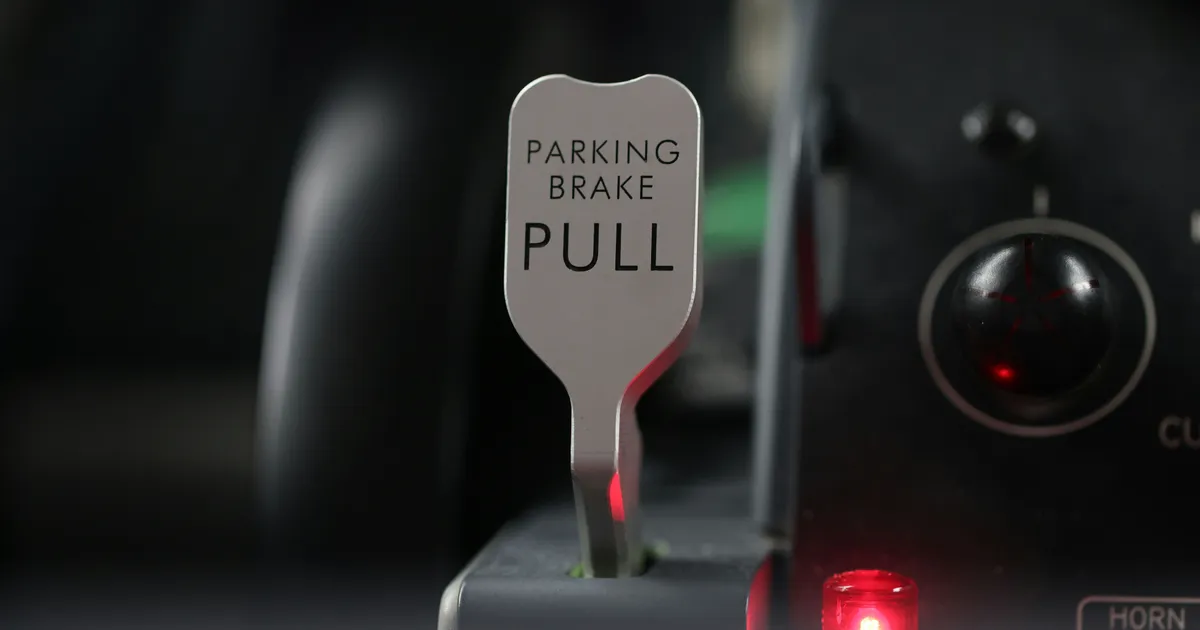
A failing electronic parking brake actuator can present a significant safety concern and an immediate inconvenience for any vehicle owner. This critical component, a cornerstone of modern automotive technology, ensures your vehicle remains securely stationary when parked, preventing unintended movement. Understanding the early symptoms of a malfunctioning actuator is crucial for timely intervention, mitigating potential risks, and avoiding more extensive repairs. This article delves into the tell-tale signs of a failing unit, offering insights into its function, common diagnostic indicators, and discusses temporary bypass solutions that, while not permanent fixes, can help manage the situation until professional assistance is available. Recognizing these symptoms empowers drivers to act proactively, ensuring both their safety and the longevity of their vehicle’s braking system.
Understanding the EPB Actuator
The Electronic Parking Brake (EPB) actuator is a sophisticated electromechanical device that replaces the traditional handbrake lever and cable system in many modern vehicles. Its primary function is to lock the rear wheels, or sometimes all four, to prevent the car from rolling when parked. When the driver activates the EPB button, an electronic signal is sent to the actuator, which then uses an electric motor and gearing mechanism to apply force directly to the brake calipers, engaging the brake pads against the rotors. This system offers several advantages, including improved interior space, enhanced safety features like hill-hold assist, and often a more precise and consistent braking force compared to manual systems.
- Luxury Car Comparison: Technology, Features, and Driving Experience
- The Essential Guide to Automotive Maintenance for Maximum Durability
- How to Detect Hidden Structural Rust Under Rubberized Undercoating When Buying Used
- Automotive Engine Performance Issues: Diagnosis & Solutions Guide
- How to Diagnose Intermittent Engine Misfire Without Triggering a Check Engine Light
The complexity of the EPB actuator, however, also means it is susceptible to various forms of failure. Common issues stem from electrical problems, such as wiring harness damage, corroded connectors, or internal motor failure. Mechanical wear and tear on the gears or piston within the actuator can also lead to malfunction over time, especially in older vehicles or those exposed to harsh environmental conditions. Additionally, software glitches within the vehicle’s Body Control Module (BCM) or specific EPB control unit can sometimes mimic actuator failure, highlighting the need for accurate diagnosis. Regular exposure to road salt, water, and debris can accelerate corrosion and degrade the actuator’s housing and internal components, ultimately compromising its integrity and operational reliability.
Common Symptoms of Failure
One of the most immediate and noticeable symptoms of a failing electronic parking brake actuator is the illumination of warning lights on the dashboard. Typically, drivers will see a dedicated EPB warning light, often accompanied by the Anti-lock Braking System (ABS) light or a general “Check Engine” indicator. These lights are the vehicle’s way of communicating a fault within the system, urging the driver to investigate. Beyond visual cues, strange or unusual noises emanating from the rear wheels when attempting to engage or disengage the parking brake are strong indicators. These might include grinding, whirring, clicking, or buzzing sounds that are not typically present during normal operation, suggesting mechanical strain or damage within the actuator’s motor or gearing.
Another critical symptom involves the actual performance of the parking brake. If the EPB fails to engage, the vehicle may roll on an incline despite the button being pressed, posing a significant safety risk. Conversely, if the actuator fails to disengage, the parking brake may remain stuck, preventing the vehicle from moving or causing excessive drag and wear on the rear brakes. This “stuck” condition can lead to overheating of the brakes, a burning smell, and even potential damage to the brake rotors and pads if driven for an extended period. Intermittent operation, where the EPB works sometimes but not others, is also a classic sign of an impending complete failure, indicating a weakening component or an inconsistent electrical connection that needs immediate attention from a qualified mechanic.
Diagnostic Clues and Professional Assessment
Diagnosing a failing electronic parking brake actuator typically begins with interpreting the warning lights on the dashboard, but a professional assessment goes far beyond this initial observation. Modern vehicles are equipped with sophisticated On-Board Diagnostics II (OBD-II) systems that store fault codes when a malfunction occurs. A diagnostic scanner can read these codes, providing specific insights into the nature of the problem. Common fault codes associated with EPB issues often point to electrical circuit malfunctions, sensor errors, or actuator motor failures. However, it’s important to note that a code indicating an actuator issue doesn’t always mean the actuator itself is faulty; it could be a wiring problem or a control module issue feeding the actuator.
Beyond reading fault codes, a thorough professional assessment includes a visual inspection of the actuator and its wiring harness for signs of physical damage, corrosion, or loose connections. Technicians will also perform functional tests using specialized diagnostic tools to command the actuator to engage and disengage, monitoring its response and the current draw of the motor. This helps differentiate between a truly failed actuator and issues with the control module or power supply. For example, if the actuator receives the command but doesn’t respond, or responds weakly, it points directly to an internal actuator problem. Given the safety-critical nature of the parking brake, relying on expert diagnosis is paramount to ensure the correct repair is identified and executed, preventing further complications or safety hazards on the road.
Specific Diagnostic Codes
When an EPB actuator malfunctions, the vehicle’s control unit typically logs specific diagnostic trouble codes (DTCs) that can be read with an OBD-II scanner. Common codes include C1000 (Generic ABS/Traction Control System Malfunction), which might indirectly point to EPB issues if the systems are integrated. More specific codes often begin with “C” for chassis-related problems, such as C1300 (Actuator Motor Malfunction), C1301 (Actuator Position Sensor Error), or C1302 (Actuator Circuit Open/Short). These codes indicate problems ranging from the motor’s inability to move the caliper piston to issues with the feedback sensor that tells the control unit the actuator’s position. Understanding these codes is the first step towards a precise diagnosis in 2026.
Immediate Safety Precautions
Should your electronic parking brake actuator fail, especially while you are away from home, immediate safety precautions are paramount. The most critical step is to ensure your vehicle is parked on a flat, level surface whenever possible. If you must park on an incline, use wheel chocks or large rocks to physically prevent the vehicle from rolling. Always leave the vehicle in gear (for manual transmissions) or in “Park” (for automatics) and consider turning the wheels towards the curb if parking on a hill, as an additional safety measure. Do not attempt to drive the vehicle if the parking brake is stuck in the engaged position, as this can cause severe damage to the braking system, generate excessive heat, and potentially lead to brake failure.
If the parking brake fails to engage, avoid parking in situations where the vehicle could easily roll into traffic or other hazards. Inform any passengers of the situation and advise caution when entering or exiting the vehicle. It is strongly recommended to contact roadside assistance or a professional mechanic as soon as possible. Attempting to force the parking brake or drive with a known failure can exacerbate the problem, leading to more costly repairs or dangerous driving conditions. Prioritize getting the vehicle to a safe location and then seeking expert help. For detailed safety guidelines on vehicle maintenance, resources like NHTSA provide valuable information on vehicle safety and recalls.
Temporary Bypass Solutions (Caution Advised)
While a failing electronic parking brake actuator ultimately requires professional repair or replacement, there are a few temporary bypass solutions that might allow you to move your vehicle to a service center or a safer location. It is crucial to understand that these are not permanent fixes and should be approached with extreme caution, as they involve interacting with a critical safety system. Many vehicles with EPBs have an emergency manual release procedure, often located in the trunk or near the rear brake calipers. This mechanism, typically a cable or lever, allows for the manual disengagement of the parking brake. Consult your vehicle’s owner’s manual for the exact location and procedure, as it varies significantly between manufacturers and models. For example, some Volkswagen models might have a specific tool for this purpose.
Another potential, albeit risky, temporary solution involves disconnecting the battery or pulling the fuse associated with the EPB system. Disconnecting the battery for a few minutes can sometimes reset the vehicle’s computer, potentially allowing the actuator to release if the issue is a software glitch. However, this can also reset other vehicle systems and may not work for mechanical failures. Identifying and pulling the correct fuse for the EPB can cut power to the actuator, potentially releasing it if it’s stuck due to an electrical fault. This method is highly cautioned against, as it can be difficult to identify the correct fuse, and incorrectly pulling fuses can disable other essential vehicle functions or even damage the electrical system. Always prioritize consulting your owner’s manual or a qualified technician before attempting any of these temporary measures, and never rely on them for long-term operation. Information on automotive electrical systems can be found on resources like SAE International.
Preventative Maintenance and Longevity
Ensuring the longevity of your electronic parking brake actuator, and indeed your entire braking system, largely depends on consistent preventative maintenance. Regular vehicle inspections, ideally during scheduled service appointments, should include a check of the EPB system. Technicians can visually inspect the actuator for signs of corrosion, physical damage, or loose wiring. They can also test the system’s functionality and check for any latent diagnostic trouble codes that might indicate an impending issue before it becomes a full-blown failure. Addressing minor issues like corroded connectors or worn wiring harnesses early can prevent more significant and costly actuator replacements down the line, especially for vehicles expected to be on the road well into 2026.
Beyond professional inspections, proper usage habits contribute significantly to the actuator’s lifespan. Avoid engaging the parking brake while the vehicle is in motion, unless it’s an emergency, as this puts undue stress on the system. When parking, ensure the vehicle is fully stopped before activating the EPB. If parking on a steep incline, consider using wheel chocks in conjunction with the EPB to reduce the load on the actuator. Additionally, keeping the area around the actuator clean and free from excessive dirt, salt, and debris, particularly in regions with harsh winters, can help prevent premature corrosion and wear. Adhering to manufacturer-recommended service intervals and using high-quality replacement parts when repairs are necessary are also key strategies for maximizing the reliability and extending the life of this vital component.
Key Takeaways
- Early detection of EPB actuator failure symptoms prevents safety risks and extensive repairs.
- Common symptoms include dashboard warning lights, unusual noises, and brake engagement/disengagement issues.
- Professional diagnosis using OBD-II codes and functional tests is crucial for accurate problem identification.
- Immediate safety precautions like parking on level ground and using wheel chocks are vital during a failure.
- Temporary bypass solutions (manual release, fuse pulling) are for emergencies only and require extreme caution.
- Regular inspections, proper usage, and adherence to maintenance schedules significantly extend actuator lifespan.
Frequently Asked Questions
Can I drive my car if the electronic parking brake actuator is failing?
It depends on the nature of the failure. If the parking brake is stuck in the engaged position, driving can cause severe damage to your brakes and is highly unsafe. If it simply won’t engage, you can drive, but you must be extremely cautious when parking, ensuring the vehicle is on a flat surface and secured against rolling. It is always recommended to seek professional repair immediately.
How much does it cost to replace an electronic parking brake actuator?
The cost of replacing an electronic parking brake actuator can vary significantly based on the vehicle make, model, and year, as well as labor rates. Typically, parts alone can range from $300 to over $1000, with labor adding several hundred dollars more. Total costs often fall between $500 and $1500, but can be higher for luxury or specialty vehicles.
Is an electronic parking brake actuator a common failure point?
While not as frequent as brake pads or tires, EPB actuators are known to fail, especially in older vehicles or those exposed to harsh conditions. They are electromechanical components with moving parts and electronics that can wear out, corrode, or suffer from electrical faults over time. Their failure rate is generally higher than traditional cable-actuated parking brakes due to increased complexity.
Can I replace the EPB actuator myself?
Replacing an EPB actuator is a complex task that typically requires specialized tools, diagnostic equipment, and often specific calibration procedures. Many modern vehicles require the actuator to be electronically “coded” or “adapted” to the vehicle’s control unit after installation. Without the proper tools and knowledge, attempting a DIY replacement can lead to further damage or an improperly functioning brake system, which is a significant safety risk. Professional installation is strongly recommended.
What is the lifespan of an electronic parking brake actuator?
The lifespan of an electronic parking brake actuator varies widely depending on the vehicle manufacturer, driving conditions, and maintenance. On average, they are designed to last for many years, often exceeding 100,000 miles. However, factors like frequent use, exposure to harsh weather, and lack of maintenance can significantly reduce their lifespan. Some units might last the life of the vehicle, while others may fail prematurely.
Conclusion
The electronic parking brake actuator is an indispensable component in modern vehicles, offering convenience and advanced safety features. Recognizing the symptoms of its failure—from warning lights and unusual noises to compromised braking function—is paramount for vehicle safety and preventing more extensive repairs. While temporary bypass solutions exist, they should be used with extreme caution and only as a means to reach professional assistance. Ultimately, prompt professional diagnosis and repair are essential to restore your vehicle’s safety and functionality. Prioritizing preventative maintenance and understanding the nuances of this system will ensure your vehicle, and specifically its EPB, performs reliably for years to come, safeguarding your journeys well into 2026 and beyond.