

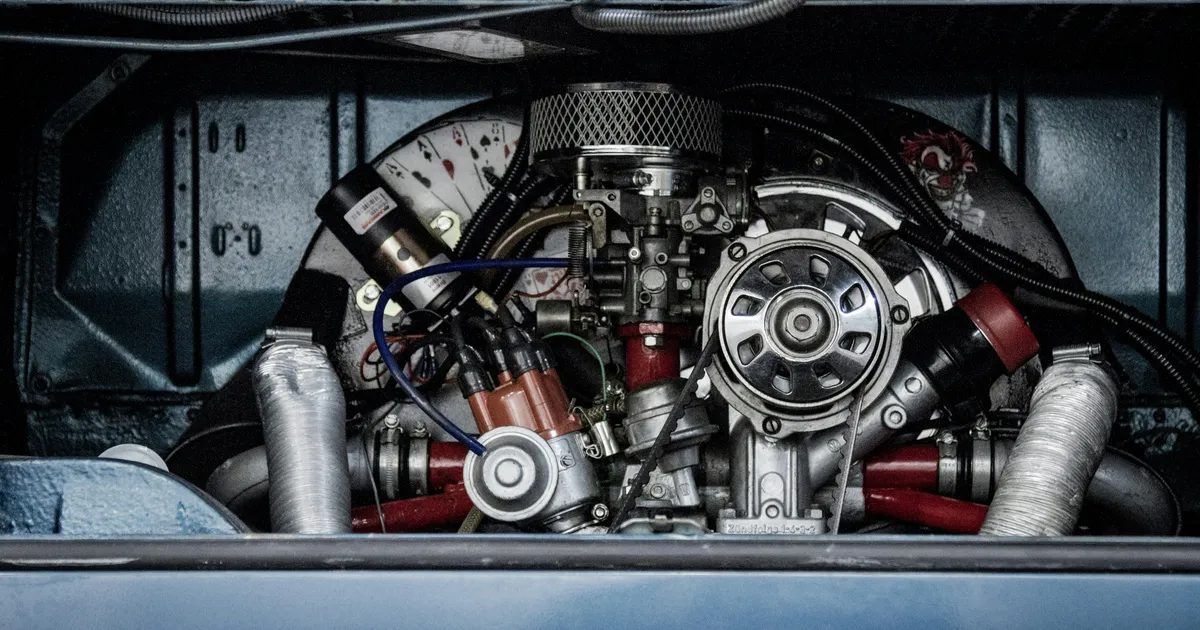
Diagnosing an intermittent engine misfire without the immediate illumination of the check engine light (CEL) presents a unique challenge for even the most seasoned automotive technicians. This elusive problem can manifest as a subtle hesitation, a momentary loss of power, or a slight rough idle, often leaving drivers perplexed and mechanics scratching their heads. Unlike persistent misfires that quickly trigger diagnostic trouble codes (DTCs), intermittent issues fall below the threshold required to set a CEL, making them notoriously difficult to pinpoint. Understanding the sophisticated methods and diagnostic strategies needed to uncover these hidden culprits is crucial for maintaining engine performance and preventing more significant, costly repairs down the line. We delve into expert techniques to diagnose intermittent engine misfire without triggering check engine light, ensuring your vehicle runs smoothly.
Understanding Intermittent Misfires
An intermittent engine misfire occurs when one or more cylinders fail to combust the air-fuel mixture effectively, but not consistently enough to register a Diagnostic Trouble Code (DTC) or illuminate the Check Engine Light on the dashboard. Modern On-Board Diagnostics II (OBD-II) systems are designed to monitor misfire events by counting them over specific drive cycles. A CEL is typically triggered only after a certain number of misfires occur within a defined timeframe, or if the misfire rate is high enough to potentially damage the catalytic converter. When misfires are sporadic, they might not exceed these calibrated thresholds, leaving the driver without an obvious warning sign.
- Failing Electronic Parking Brake Actuator: Symptoms & Temporary Bypass Solutions
- Electric Vehicle Performance & Efficiency: 2026 Analysis & Future Outlook
- Hybrid vs Petrol Cars: Long-Term Ownership Cost & Value Analysis
- Unveiling Tomorrow: Future Mobility Innovations & Smart Vehicle Technologies
- Crossover SUVs vs. Fastback Sedans: Which Is More Aerodynamically Efficient?
The underlying causes of intermittent misfires can be incredibly varied, touching upon the three fundamental requirements for combustion: proper air-fuel mixture, sufficient compression, and a strong spark at the right time. Issues within the ignition system, such as a failing spark plug or a weak ignition coil, are common culprits. Similarly, problems in the fuel delivery system, like a partially clogged fuel injector or inconsistent fuel pressure, can lead to lean or rich conditions that prevent complete combustion. Even seemingly minor air intake leaks, exhaust restrictions, or subtle sensor malfunctions can contribute to these frustratingly unpredictable performance hiccups, making a systematic diagnostic approach essential for a successful resolution.
Common Symptoms and Observations
Identifying an intermittent engine misfire without a CEL relies heavily on a driver’s astute observation of their vehicle’s behavior and performance. Subtle clues often precede a full-blown issue. Drivers might notice a slight hesitation or stumble during acceleration, particularly under load or at specific RPM ranges. A rough idle that comes and goes, or a feeling of vibration through the steering wheel or seat that wasn’t previously present, can also indicate an underlying misfire. Reduced fuel economy, even if marginal, is another common symptom, as inefficient combustion means more fuel is consumed for the same amount of power.
Situational symptoms are particularly important for diagnosing intermittent engine misfire without triggering check engine light. For instance, some misfires might only occur when the engine is cold, suggesting an issue related to temperature-dependent sensors, fuel enrichment, or cold-start injectors. Others might surface only when the engine is fully warmed up, pointing towards components sensitive to heat, such as ignition coils or certain sensors. Environmental factors like high humidity or heavy rain can also exacerbate ignition system weaknesses, leading to misfires. Pay close attention to any unusual smells, like raw fuel from the exhaust, or sounds, such as a subtle pop or backfire, as these can provide critical insights into the nature of the misfire.
Advanced Diagnostic Tools and Techniques
When the Check Engine Light remains dormant, technicians must turn to advanced diagnostic tools and techniques to uncover intermittent misfires. A professional-grade OBD-II scan tool is indispensable, even without active DTCs. By monitoring live data streams, technicians can observe parameters like short-term and long-term fuel trims, oxygen sensor readings, mass airflow (MAF) sensor output, and engine RPM. Fluctuations in these values, particularly fuel trims that deviate significantly, can indicate a lean or rich condition in specific cylinders, hinting at a misfire source. The misfire counter feature, accessible through Mode 6 data on many advanced scan tools, is particularly useful as it records misfire events per cylinder over various drive cycles, often before the CEL threshold is met.
Beyond standard scan tool functions, specialized equipment provides deeper insights. An automotive oscilloscope, for example, allows for the visual analysis of electrical signals from various components, providing a waveform “picture” of their operation. This can reveal subtle anomalies in ignition coil primary and secondary patterns, injector pulse widths, or crankshaft and camshaft position sensor signals that a basic scan tool would miss. Pressure transducers, when used in conjunction with an oscilloscope, can analyze in-cylinder pressure during cranking or running, helping to identify compression issues or valve timing problems. These tools enable a detailed, real-time examination of engine dynamics, far surpassing the capabilities of simple code readers.
Utilizing an Oscilloscope
An oscilloscope is a powerful diagnostic instrument for pinpointing intermittent engine misfires by visually representing electrical signals as waveforms. For ignition systems, connecting the oscilloscope to the primary or secondary ignition circuits allows technicians to observe the spark event’s duration, voltage, and overall quality. A weak or inconsistent spark pattern on one cylinder, especially under specific load conditions, can immediately point to a failing ignition coil, spark plug, or even a resistive spark plug wire. The ability to see these patterns in real-time, often during a test drive or under the exact conditions where the misfire occurs, provides irrefutable evidence that traditional scan tools cannot.
Beyond ignition, an oscilloscope can analyze fuel injector pulse width and consistency, revealing if an injector is sticking open or closed intermittently. Observing crankshaft and camshaft position sensor signals simultaneously can detect timing chain stretch or sensor inconsistencies that lead to improper ignition or fuel timing, causing a misfire. Even subtle voltage drops across power and ground circuits can be identified, indicating wiring issues that might only manifest under certain loads or vibrations. For expert insights, resources like Bosch Automotive provide detailed guidance on advanced diagnostics. This visual precision makes the oscilloscope an invaluable tool for diagnosing the most elusive intermittent engine misfires in vehicles, including those manufactured in 2026 and beyond.
Systematic Component Inspection
A systematic and thorough inspection of key engine components is essential when diagnosing intermittent engine misfire without triggering check engine light. Begin with the ignition system: visually inspect spark plugs for signs of wear, fouling, or damage. Even new spark plugs can be defective or improperly gapped. Next, check ignition coils for cracks, carbon tracking, or signs of overheating. If applicable, test spark plug wires for resistance and integrity. Any component showing signs of intermittent failure, perhaps only when hot or under load, should be prioritized for replacement, as even a minor defect can cause significant drivability issues.
The fuel system requires equally meticulous attention. Inspect fuel injectors for proper spray pattern and leakage, which can often be observed with specialized testing equipment or by listening with a stethoscope for consistent clicking. Verify fuel pressure and volume at various engine loads and RPMs, as a weak fuel pump or restricted fuel filter can cause intermittent lean conditions. Don’t overlook the air induction system: check for vacuum leaks using a smoke machine or by carefully listening for hissing sounds, especially around intake manifold gaskets, vacuum hoses, and the PCV system. A faulty Mass Airflow (MAF) sensor or a dirty throttle body can also disrupt the air-fuel ratio. Finally, perform compression and leak-down tests to rule out internal engine issues like worn piston rings, burnt valves, or a compromised head gasket, as these mechanical faults can cause persistent or intermittent misfires.
Environmental and Fuel-Related Factors
Environmental conditions and fuel quality can significantly influence engine performance and contribute to intermittent misfires that do not immediately trigger a Check Engine Light. Poor fuel quality, including water contamination or lower-than-specified octane ratings, can lead to inefficient combustion and misfires, especially under acceleration or heavy load. Using fuel from a less reputable source or old, stale fuel can introduce impurities that clog injectors or reduce fuel’s ignition properties. Technicians should inquire about recent fuel purchases and consider testing a fuel sample for integrity, as this often overlooked factor can be the root cause of perplexing drivability issues. For more information on fuel quality, consult resources like the U.S. Environmental Protection Agency.
Temperature and humidity play a critical role, particularly in older vehicles or those with marginal ignition components. High humidity can exacerbate weaknesses in spark plug wires or coil packs, leading to spark energy loss. Extreme temperatures, both hot and cold, can affect sensor readings, fuel viscosity, and component tolerances, potentially causing misfires. For instance, a failing temperature sensor might provide incorrect data to the engine control unit (ECU), leading to an improperly rich or lean mixture during specific operating conditions. Furthermore, carbon buildup on intake valves, particularly prevalent in Gasoline Direct Injection (GDI) engines, can disrupt airflow and fuel atomization, leading to intermittent misfires that worsen over time and often require specialized cleaning procedures. Even the Exhaust Gas Recirculation (EGR) system, if intermittently sticking, can introduce too much exhaust gas into the combustion chamber, diluting the air-fuel mixture and causing a misfire.
Preventative Maintenance and Monitoring
Proactive preventative maintenance is the most effective strategy for avoiding intermittent engine misfires and ensuring long-term vehicle reliability. Adhering strictly to the manufacturer’s recommended service intervals for spark plugs, fuel filters, air filters, and PCV valves is paramount. Replacing these components before they fail helps maintain optimal engine performance and prevents the gradual degradation that often leads to subtle misfires. For instance, spark plugs, even if not completely worn, can develop increased resistance or weaker spark over time, contributing to intermittent combustion issues. Investing in high-quality OEM or equivalent aftermarket parts for critical engine components like ignition coils and fuel injectors can also significantly extend their lifespan and reliability, particularly for vehicles intended for use well into 2026.
Beyond routine servicing, owners can actively monitor engine parameters using personal OBD-II scanners or dedicated smartphone apps that connect via Bluetooth. While these consumer-grade tools may not offer the depth of professional diagnostic equipment, they can display live data streams such as fuel trims, MAF readings, and even basic misfire counts (if available) for each cylinder. By regularly checking these parameters, drivers can identify subtle deviations from normal operation before they escalate into a noticeable misfire or trigger a Check Engine Light. Early detection allows for timely intervention, potentially preventing a small, intermittent issue from becoming a major repair. This proactive approach not only saves money but also ensures consistent, dependable vehicle performance, enhancing overall driving satisfaction.
Key Takeaways
- Intermittent misfires often don’t trigger a CEL due to OBD-II thresholds, requiring astute observation.
- Subtle symptoms like hesitation, rough idle, or poor fuel economy are key indicators.
- Advanced OBD-II scan tools (Mode 6 data, live streams) are crucial for detecting pre-CEL misfires.
- An oscilloscope provides visual insights into ignition, fuel injector, and sensor waveforms.
- Systematic inspection of ignition, fuel, air, and compression systems is non-negotiable.
- Environmental factors, fuel quality, and carbon buildup significantly influence misfire occurrences.
- Regular preventative maintenance and proactive monitoring are vital for avoiding these elusive issues.
Frequently Asked Questions
Why doesn’t my check engine light come on for an intermittent misfire?
The check engine light (CEL) is governed by specific OBD-II thresholds. Your vehicle’s computer counts misfire events over a set number of engine revolutions or drive cycles. If the misfire rate is below the programmed threshold for triggering a DTC or is not persistent enough to potentially damage the catalytic converter, the CEL will not illuminate, even if the driver experiences noticeable symptoms.
What are the most common causes of intermittent misfires without a CEL?
Common causes include failing spark plugs, weak ignition coils that act up under specific conditions (e.g., when hot or under load), partially clogged fuel injectors, minor vacuum leaks, inconsistent fuel pressure, or even subtle issues with sensors like the Mass Airflow (MAF) or oxygen sensors that cause slight air-fuel ratio imbalances.
Can I diagnose an intermittent misfire myself without professional tools?
While a professional-grade scan tool and an oscilloscope are highly recommended, you can start by observing symptoms carefully, checking for obvious vacuum leaks, inspecting visible ignition components, and ensuring basic maintenance like spark plug replacement is up to date. However, pinpointing the exact cause often requires specialized diagnostic equipment and expertise.
How can I use an OBD-II scanner if there are no error codes?
Even without error codes, an advanced OBD-II scanner can be invaluable. Utilize its live data stream function to monitor parameters like fuel trims, oxygen sensor readings, MAF sensor data, and engine RPM. Look for inconsistencies or values that deviate from the norm, especially during the conditions when the misfire occurs. Many scanners also offer Mode 6 data, which often includes misfire counts per cylinder before a CEL is triggered.
What preventative maintenance can help avoid intermittent misfires?
Regularly replace spark plugs, fuel filters, and air filters according to your vehicle’s service schedule. Use quality fuel and perform periodic fuel injector cleaning. Inspect ignition coils and spark plug wires for wear or damage. Maintaining proper engine compression and ensuring no vacuum leaks are present are also crucial steps in preventing intermittent misfire issues.
Conclusion
Diagnosing an intermittent engine misfire without the immediate warning of a check engine light is undoubtedly one of the more challenging aspects of automotive repair. It demands a blend of keen observation, systematic investigation, and the proficient use of advanced diagnostic tools. By understanding the subtle symptoms, leveraging the power of professional-grade scan tools and oscilloscopes, meticulously inspecting critical engine components, and considering environmental factors, technicians can effectively pinpoint these elusive issues. Ultimately, a proactive approach to vehicle maintenance, coupled with expert diagnostic strategies, ensures that even the most sporadic misfires are identified and resolved, restoring optimal engine performance and reliability for years to come, including for advanced vehicle models produced in 2026 and beyond.